Rubber Foam Insulation Tube Suppliers & Factory for the Russia Market

High-Density Closed-Cell Elastomeric Thermal Insulation Engineered to Endure Siberian Deep Freeze (-50°C) and Prevent Heavy HVAC Condensation.

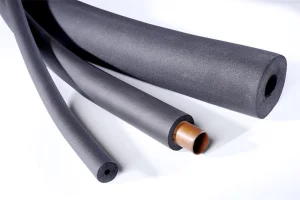
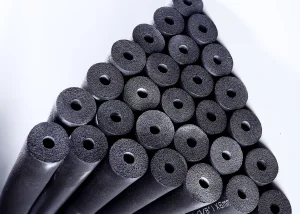
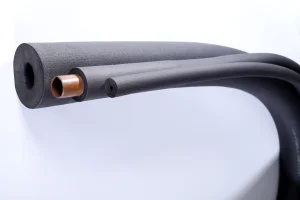
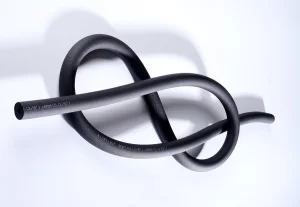
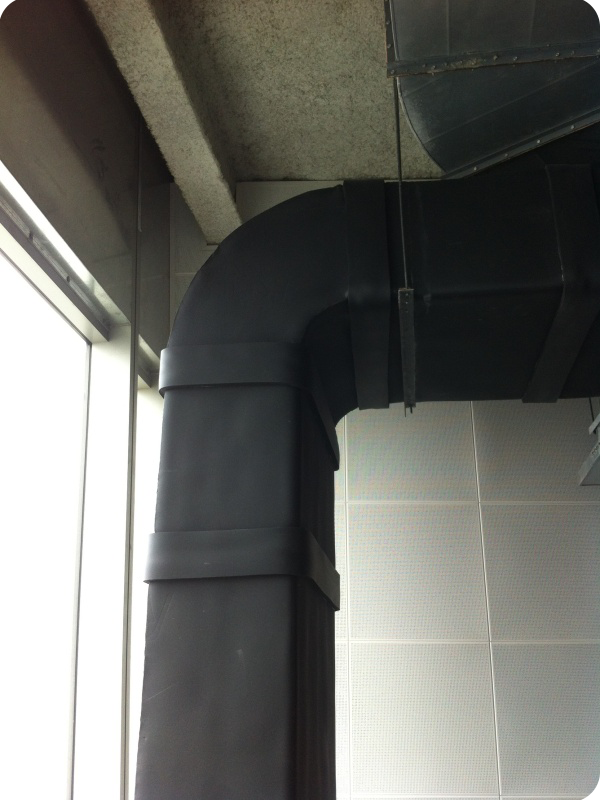
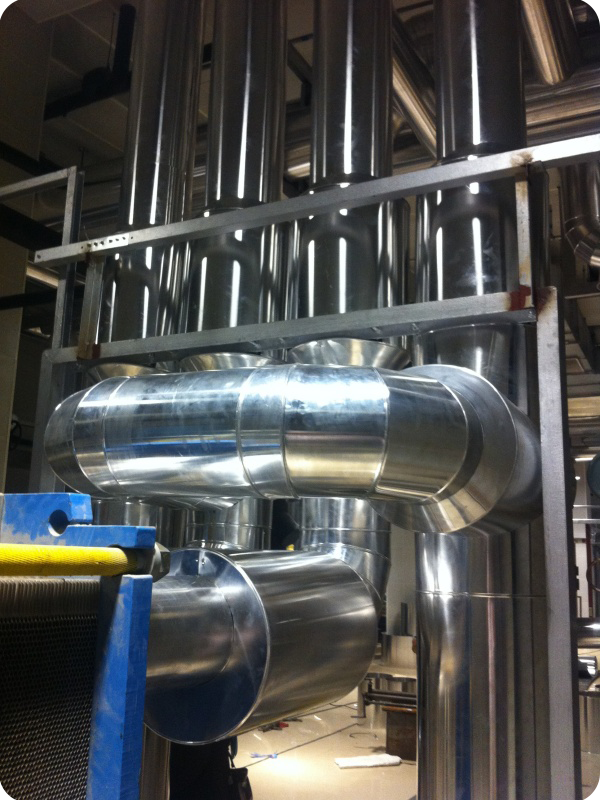
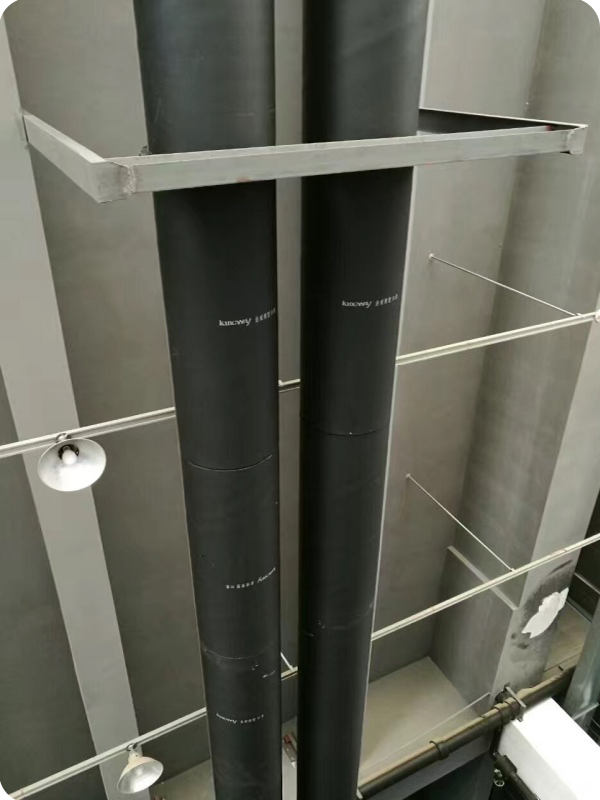
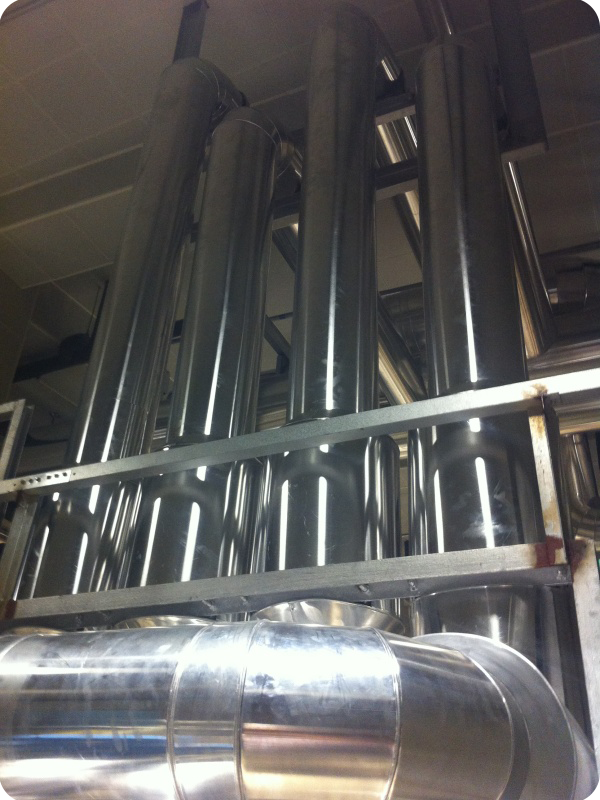
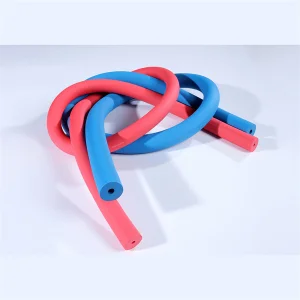
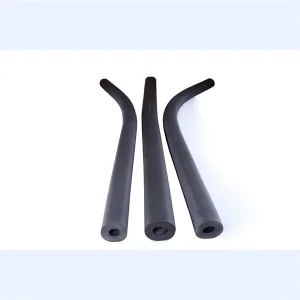
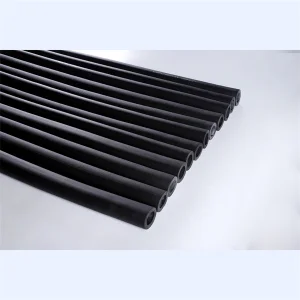
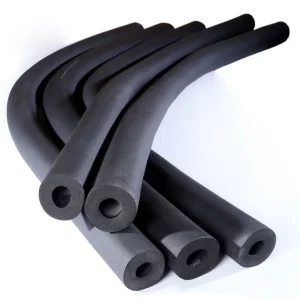
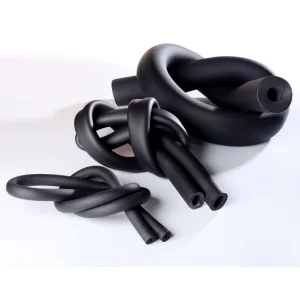
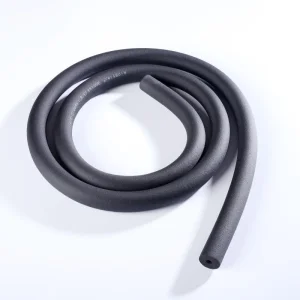
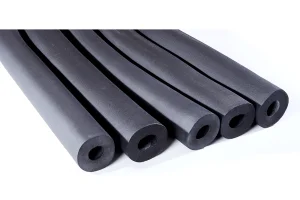
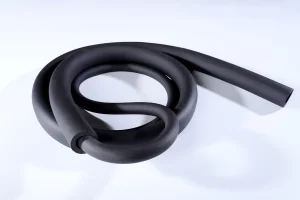
High-Performance Thermal Insulation Showcases

Optimized NBR/PVC structural materials engineered for thermal consistency and structural durability in sub-zero Russian conditions.

HVAC & Pipeline Insulation Reality in the Russian Market

Understanding the engineering demands of working within extreme temperature differentials and strict local standards.

Russia presents one of the most demanding environments on Earth for thermal insulation materials. Engineers must navigate the sharp contrast between intense, wet summer heat and severe sub-zero winter temperatures, which can plummet to -40°C in Moscow and past -50°C in Siberia and the Far East. These extreme conditions demand insulation solutions with outstanding structural integrity, a stable closed-cell composition, and durable anti-aging properties.

Traditional open-cell insulation materials frequently absorb ambient humidity under high temperature swings, which degrades thermal performance and triggers Corrosion Under Insulation (CUI). Kingflex NBR/PVC closed-cell elastomeric rubber foam insulation addresses this issue directly. The material provides a built-in vapor barrier to block moisture migration, keeping the underlying metal pipelines clean, dry, and protected.

Beyond climate challenges, compliance with Russian building codes and safety regulations is essential. Infrastructure and commercial projects require thermal insulation to meet SP 61.13330.2012 (Thermal Insulation of Equipment and Pipelines) and align with GOST R 56729-2015. Kingflex elastomeric foam solutions are engineered with advanced fire-retardant chemistry, offering flame protection that aligns with international fire safety certifications (including UL94 and BS 476) to meet the requirements of Russian building inspections.

❄️

Extreme Sub-Zero Durability

Retains its elasticity and structural stability without cracking down to -40°C in standard applications, and handles cryogenic conditions down to -200°C.

💧

Moisture & Vapor Defense

A closed-cell structure with a high water vapor resistance coefficient (μ ≥ 10,000) prevents condensation and protects pipelines from CUI.

🔥

Tested Fire Safety

Formulated with self-extinguishing compounds to resist flame spread and smoke development, satisfying strict commercial fire codes.

Targeted Applications for Russian Projects

Customized thermal solutions engineered for Russia's key commercial and industrial sectors.

Commercial HVAC in Russia

1. District Heating & Large-Scale HVAC Systems

District heating systems (Teplosnabzhenie) are a core part of urban infrastructure in cities like Moscow, St. Petersburg, and Novosibirsk. These systems rely on high-efficiency pipeline networks to deliver heat reliably. Our NBR/PVC elastomeric rubber foam pipes reduce thermal energy loss across long distribution paths.

  • Reduces thermal loss in high-temperature municipal distribution pipelines.
  • Prevents surface condensation on cold-water supply lines during humid summers.
  • Reduces mechanical noise and vibrations in commercial HVAC equipment rooms.
Cryogenic and LNG Projects

2. Cryogenic Engineering and Arctic LNG Terminals

Russia's oil and gas initiatives in the Yamal Peninsula and Arctic regions operate in extreme, freezing conditions. Transporting liquefied natural gas (LNG) requires specialized cryogenic insulation that can handle severe cold while retaining its flexibility.

  • Maintains flexibility under cryogenic conditions (operating down to -200°C).
  • Specially engineered cryogenic rubber foam prevents thermal shock on pipeline surfaces.
  • High density (40-55 kg/m³) provides robust mechanical protection under Arctic winds.
Industrial Process Pipelines

3. Heavy Chemical & Industrial Processing Plants

Industrial refineries in regions like the Urals process chemical products under complex, variable conditions. These plants require insulation materials that provide excellent thermal barrier performance along with chemical and corrosion resistance.

  • Resists mild chemical exposure, oils, acids, and industrial atmospheric pollution.
  • Protects steam pipelines and storage tanks from heat loss.
  • Non-toxic, halogen-free formulations reduce toxic hazards in enclosed workspaces.
40+
Years of Group Heritage (Since 1979)
600,000m³
Annual Production Capacity
66+
Global Countries Exported
98%
Closed-Cell Ratio Rating

Reliable Chinese Supply Chains for Russian Infrastructure

Bypassing European logistics bottlenecks with raw material security, manufacturing volume, and direct overland rail transport.

As European supply pipelines face ongoing delays, Russian contractors and procurement teams need reliable supply alternatives. Kingflex offers direct manufacturing capacity based in Dacheng, China—a hub for green building materials. This strategic location ensures consistent production and reliable supply lines to Russia.

We operate 5 large automatic assembly lines, generating an annual capacity of over 600,000 cubic meters. This scale allows us to fulfill large orders for district heating networks or commercial HVAC installations without supply-chain delays.

Additionally, direct overland shipping via the China-Europe Railway Express (New Silk Road) connects our Hebei facility to major Russian terminals like Moscow, Novosibirsk, and Vladivostok in 12 to 15 days. This logistics route avoids maritime delays and customs bottlenecks at sea ports, ensuring projects stay on schedule.

Get Live Factory Pricing Quotes

Technology Roadmap & Engineering Specifications

Advancements in polymer structures, flame retardants, and thermal efficiency metrics.

At Kingflex, we focus on continuous research and development to improve our thermal insulation performance. Our R&D team works to refine NBR/PVC polymer formulations for increased durability. Our development focus centers on:

  • Refining Cell Structures: Finer, uniform closed cells lower the thermal conductivity coefficient (λ-value) to ≤0.034 W/(m·K) at 0°C.
  • Eco-Friendly Formulations: Developing zero-halogen, bio-based elastomers that emit low smoke during fire events, reducing the environmental footprint of our materials.
  • Expanded Temperature Thresholds: Engineering materials that resist cracking at -50°C and maintain stability during thermal spikes up to +115°C.
Property / Engineering Index Kingflex Standard Spec Range Test Standard Compliance
Base Composition Acrylonitrile Butadiene Rubber (NBR) / Polyvinyl Chloride (PVC) Blend GB/T 17794
Thermal Conductivity (λ-value) ≤ 0.034 W/(m·K) at 0°C | ≤ 0.038 W/(m·K) at 40°C ASTM C518 / ISO 8301
Water Vapor Resistance Factor (μ) ≥ 10,000 BS EN 12086
Fire Safety Rating Class 1 / Class 0, Self-Extinguishing, Low Smoke Emission BS 476 Part 6 & 7 / UL 94 V-0
Core Service Temperature Range -50°C to +105°C (Specialized grades support -200°C) EN 14706 / ASTM C411
Density Profile 40 - 55 kg/m³ (Consistent distribution) ASTM D1622

About Kingflex Insulation

Over 40 years of manufacturing experience, engineering expertise, and quality commitment.

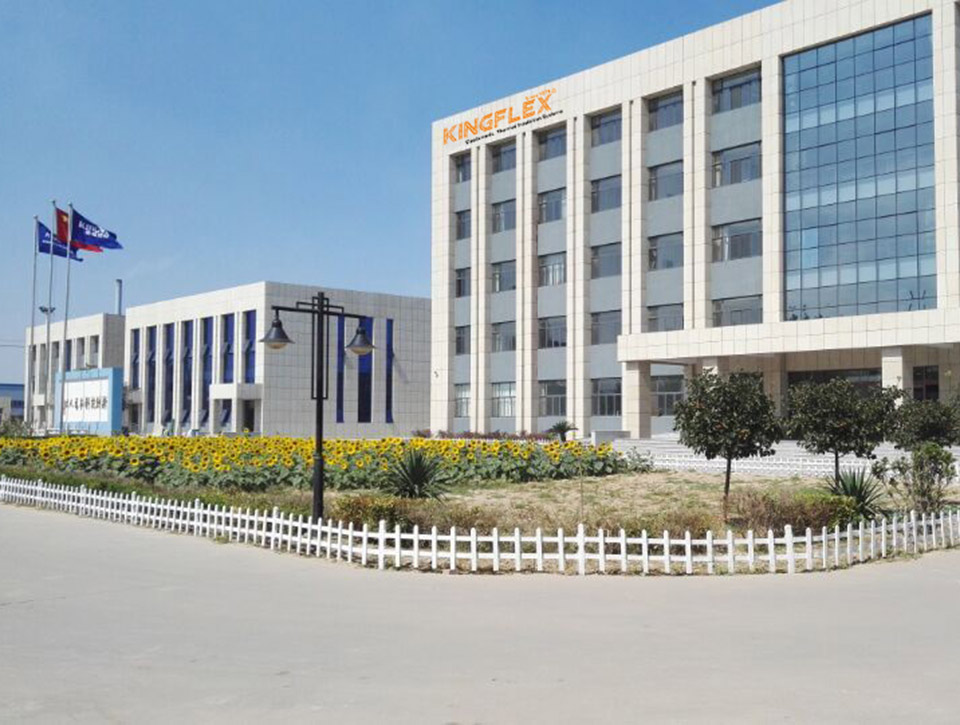
Kingflex Insulation Co., Ltd. is a specialized manufacturer and exporter of thermal insulation products. Our research, development, and primary production facility is located in Dacheng, China, a recognized manufacturing base for energy-saving materials.

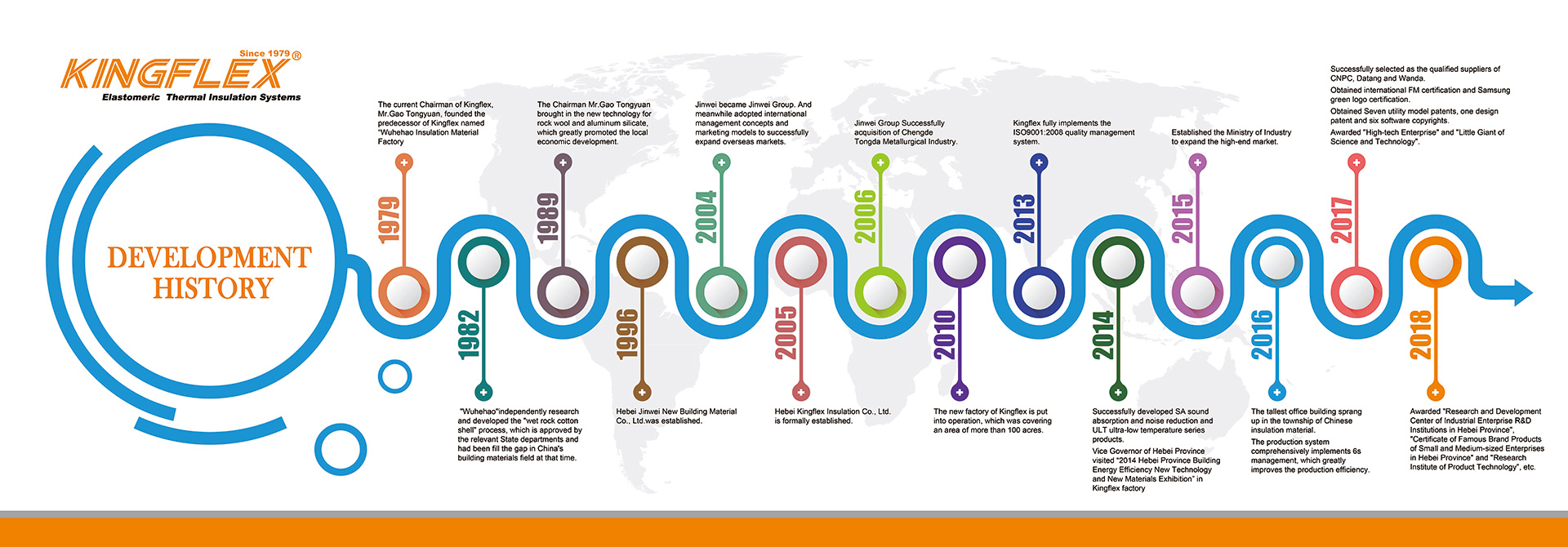
Our business, established by the Jinwei Group, builds on a manufacturing history dating back to 1979. As the first major manufacturer of thermal insulation materials north of the Yangtze River, we focus on delivering energy conservation and consumption reduction solutions.

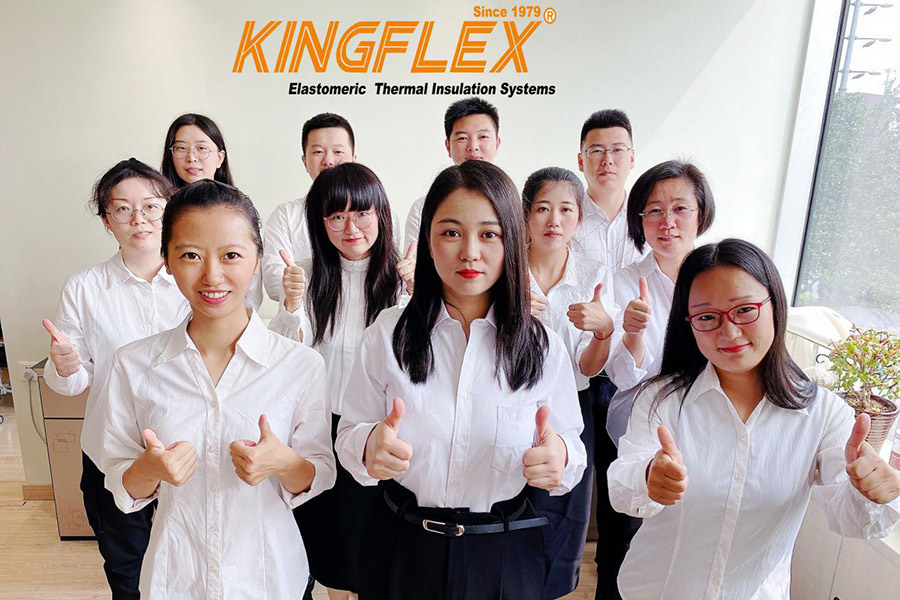
Today, our R&D and operations teams work together to provide consultation, technical support, installation guidance, and customer service to clients worldwide.

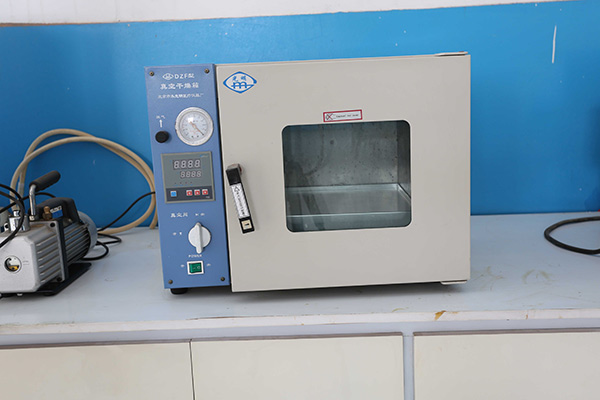
Kingflex R&D Lab
1979

Group Founding

Jinwei Group begins operations, establishing the first industrial insulation production facility north of the Yangtze River.

2008

Global Export Division

Kingflex begins exporting insulation products globally, obtaining European CE, RoHS, and BS 476 fire certifications.

2018

Production Automation Expansion

Installs 5 large automatic continuous extrusion lines, increasing annual output to over 600,000 cubic meters.

Present

Expanded Eastern European Support

Enhancing supply operations for the Russian market to support critical local district heating and HVAC installations.

Compliance and International Certifications

Verified quality standards to support compliance requirements in local commercial projects.

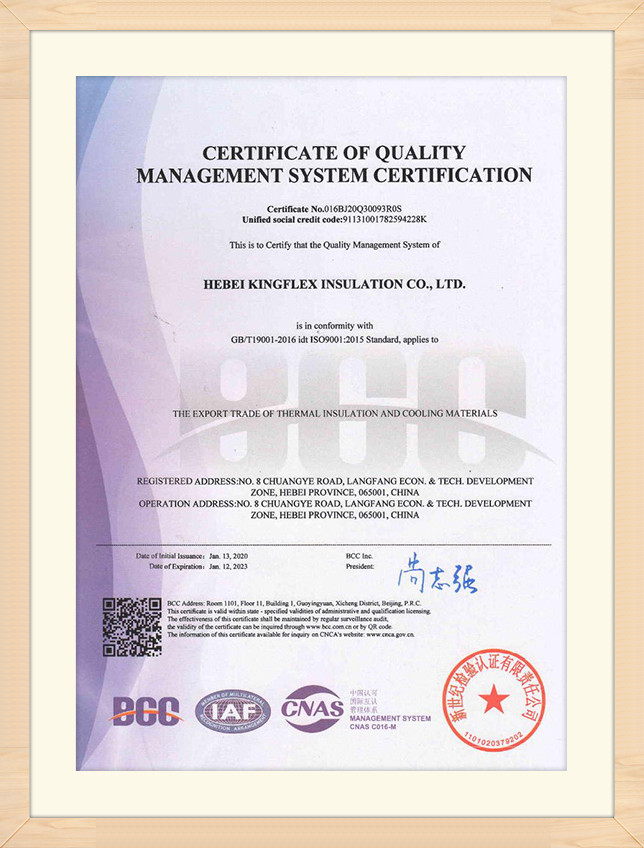
Quality Standard Certificate
ISO 9001
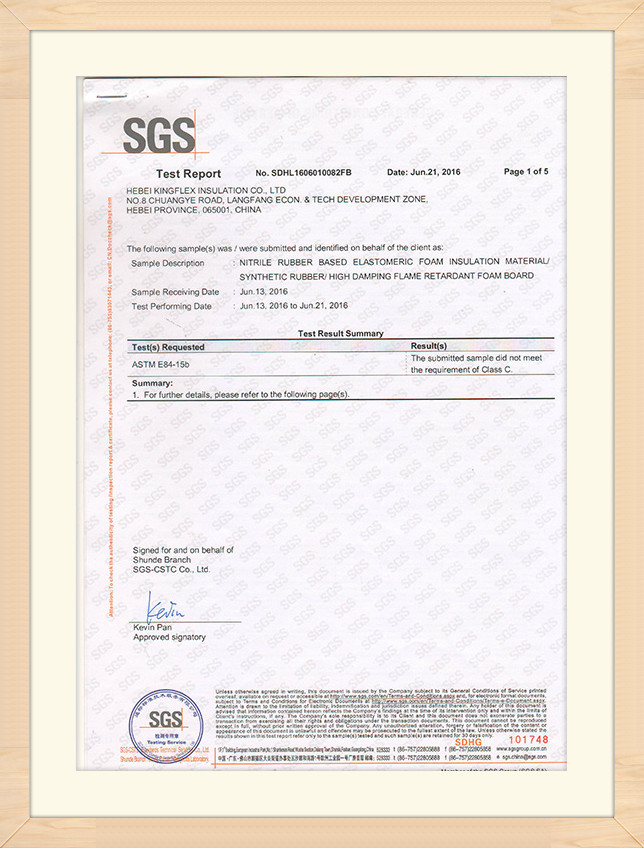
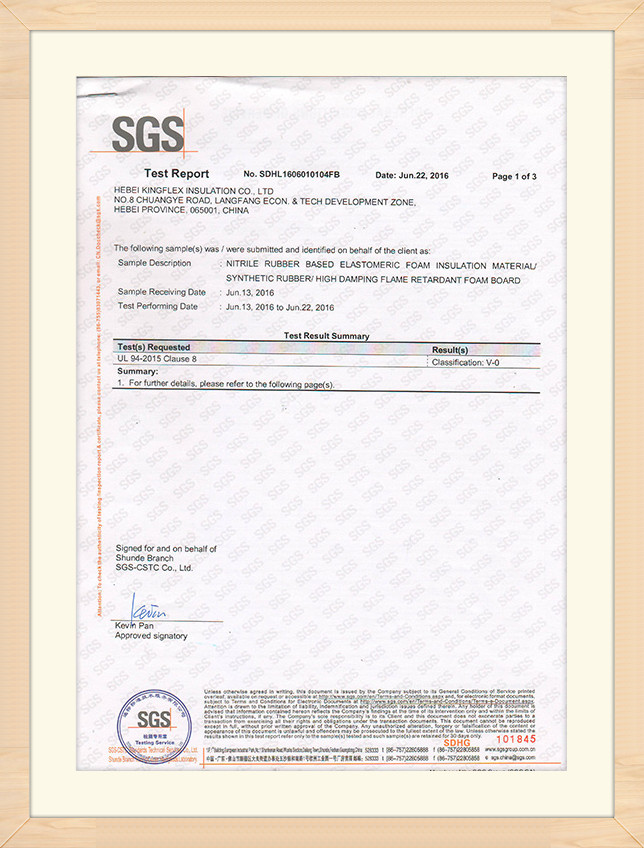
Fire Safety Certificate
BS 476 Compliance
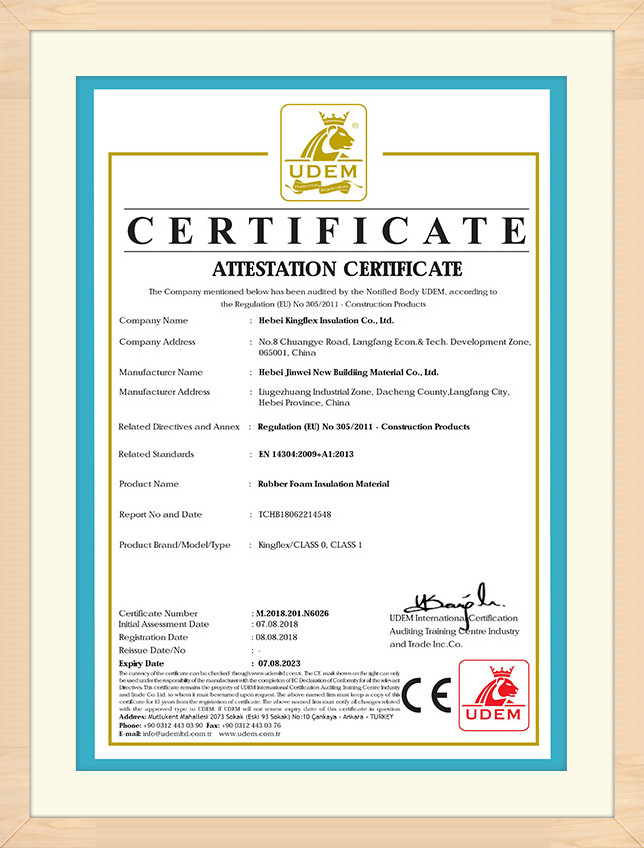
CE Mark Certificate
CE Standard
RoHS REACH Certificate
RoHS / REACH

Technical Q&A / Project Engineering FAQ

Answers to common engineering questions regarding the application and handling of elastomeric insulation in cold climates.

Q1: How does Kingflex rubber foam maintain flexibility in extreme cold down to -40°C?

Our material is manufactured with a balanced NBR/PVC polymer ratio, adding plasticizers that lower the glass transition temperature. This helps prevent cracking and maintains insulation performance under severe winter conditions.

Q2: Does Kingflex rubber foam insulation comply with Russian fire safety regulations?

Yes, our insulation meets fire safety ratings like BS 476 (Class 0 and Class 1) and UL94 V-0, which align with local requirements for flame retardancy and low smoke emissions.

Q3: How does NBR/PVC insulation compare to rock wool in cold climates?

NBR/PVC features a closed-cell structure that prevents moisture absorption. Rock wool can absorb moisture under freeze-thaw cycles, which degrades its insulation value. Elastomeric foam maintains its thermal conductivity profile without requiring an external vapor barrier.

Q4: Can Kingflex supply customized wall thicknesses and tube diameters for heavy industrial pipes?

Yes, we support full OEM and ODM services. We produce sheets and rolls in thicknesses from 6mm to 50mm, and pipes in diameters up to 114mm (ID) with custom wall configurations to suit specific projects.

Q5: What is the typical service life of Kingflex rubber foam products under variable weather conditions?

When installed correctly with appropriate exterior protective coatings (like UV-resistant cladding), our products offer a service life of 10 to 15 years.

Q6: Do your products have batch traceability?

Yes, our quality management system ensures full raw-material and manufacturing-run traceability for every batch, which is documented in our testing logs.

Q7: How are orders shipped to inland cities like Moscow or Novosibirsk?

We utilize direct rail freight via the China-Europe Railway Express, allowing transport from our factory to Russian distribution hubs in 12 to 15 days.

Q8: Can Kingflex products be used for cryogenic LNG pipeline systems?

Yes, our cryogenic-grade elastomeric insulation is formulated to remain functional down to -200°C, providing thermal stability for LNG transport lines.
Standard Product Specifications & Sizes

Technical parameters for planning and purchasing.

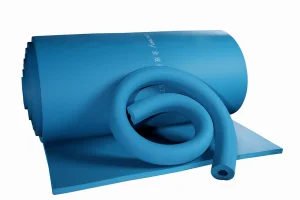
Kingflex Standard Sheet & Roll

Material Composition: High-density NBR/PVC elastomeric matrix

Thickness Range: 6mm to 50mm

Density Profile: 40 - 55 kg/m³

Operating Temperatures: -40℃ to 105℃

Core Performance Features: Flexible closed-cell structure, built-in vapor barrier, self-extinguishing flame properties.

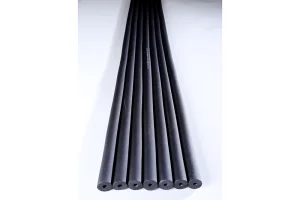
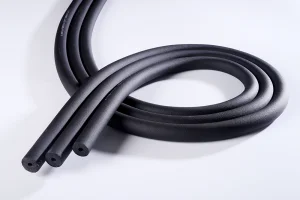
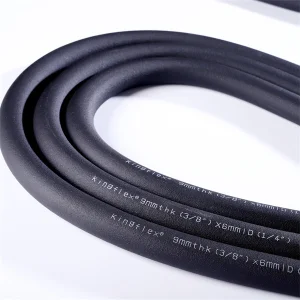
Kingflex Standard Insulation Pipe

Material Composition: High-density NBR/PVC blend

Thickness Range: 9mm to 40mm

Internal Diameter (ID): 6mm to 114mm

Density Profile: 40 - 55 kg/m³

Core Performance Features: Consistent extrusion thickness, high tensile elasticity, protects water pipes from freezing and cracking.

Spec Image 1
Spec Image 2
Spec Image 3
Spec Image 4