In modern industrial, commercial, and residential projects, thermal regulation is no longer simply about operational comfort; it is a critical component of environmental sustainability and system longevity. HVAC and refrigeration installations consume approximately 40% of the total energy footprint in commercial buildings. Without high-efficiency insulation around chilled water pipes and refrigerant lines, thermal dispersion and surface condensation quickly compromise structural materials, diminish energy efficiency, and promote micro-biological growth.
As regulatory codes tighten globally (such as the ASHRAE 90.1 standard in the United States, Title 24 in California, and Part L of the Building Regulations in the UK), building planners and procurement teams are prioritizing advanced closed-cell elastomeric foam materials. Traditional mineral fibers and fiberglass are increasingly substituted with high-density NBR/PVC matrices, which feature an inherent vapor barrier and offer superior long-term thermal resistance (λ ≤ 0.034 W/m·K at 0°C).
Sustainability and Low Carbon Footprints: As the HVAC industry shifts toward low-GWP (Global Warming Potential) refrigerants, the physical specifications of piping insulation must keep pace. High-performance elastomerics provide thermal and physical stabilization, minimizing system cycles and drastically reducing greenhouse emissions across commercial developments.
Annual Capacity (m³)
Years of Manufacturing Heritage
Exporting Destinations Globally
Advanced Automated Production Lines
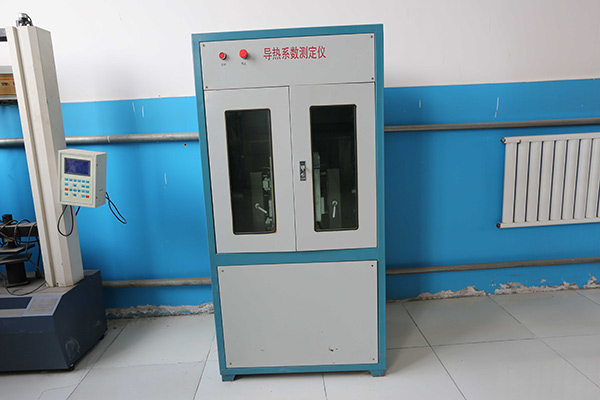
Engineering consulting firms and HVAC contractors evaluate products based on objective materials science testing. The table below outlines key benchmark specifications for commercial and industrial applications.
Micro-cellular closed cells resist ambient moisture ingress, maintaining constant thermal conductivity across decades of active service cycles.
Complies with BS 476, UL94, and ASTM. Engineered to self-extinguish without generating toxic smoke, mitigating structural fire spread.
High tensile strength NBR structure provides excellent flexibility, preventing tearing during complex field installations around bends and valves.
| Performance Standard | Test Reference | NBR/PVC Elastomeric Foam Spec | Mineral Wool Spec |
|---|---|---|---|
| Thermal Conductivity (λ) | ASTM C518 / ISO 8301 | ≤ 0.034 W/m·K at 0°C | ~ 0.040 W/m·K at 20°C |
| Water Vapor Permeability (μ) | EN 12086 / ASTM E96 | ≥ 10,000 (Built-in Vapor Barrier) | ~ 1 (Requires external barrier) |
| Fire Classification | BS 476 Part 7 / UL 94 | Class 0 / Class 1 / V-0 | Non-combustible Class A1 |
| Operating Temperature | DIN EN 14707 | -40°C to +105°C (Reaches Cryogenic) | -269°C to +650°C |
| Elasticity & Compressibility | ASTM C165 | Highly flexible (Resilience > 80%) | Rigid / Semi-rigid |
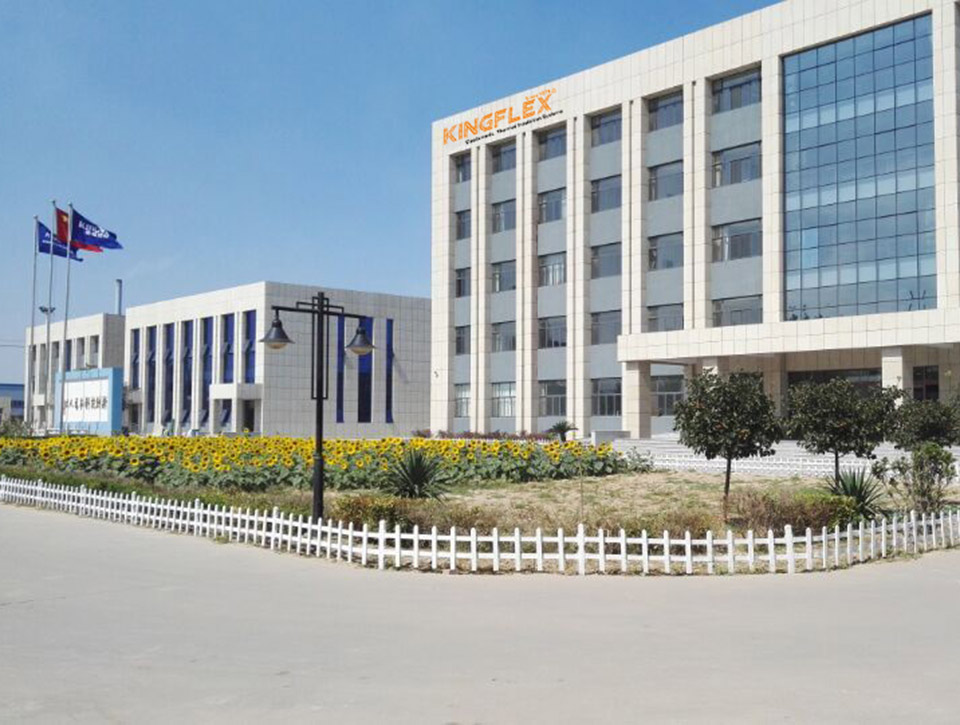
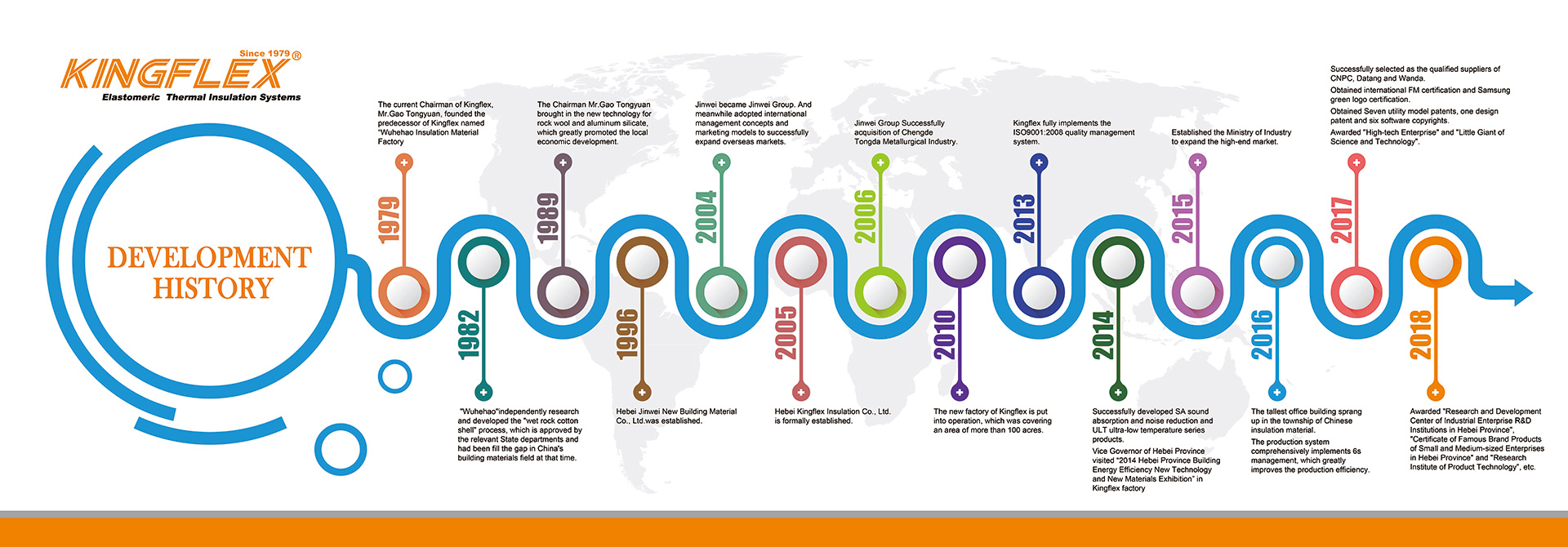
Established under the Jinwei Group (originating in 1979 as the first thermal insulation manufacturer north of the Yangtze River), Kingflex Insulation Co., Ltd. has expanded into a leading high-tech manufacturer. Located in Dacheng, China—a hub for green building materials—our facility integrates advanced material research, automated manufacturing, and complex logistical coordination.
Our facility houses five modern automated assembly lines. These lines operate under continuous computerized supervision to monitor temperature, foaming rates, and density distribution. This setup yields a production capacity of over 600,000 cubic meters annually, qualifying Kingflex as a key supplier for major municipal, petrochemical, and industrial operations.
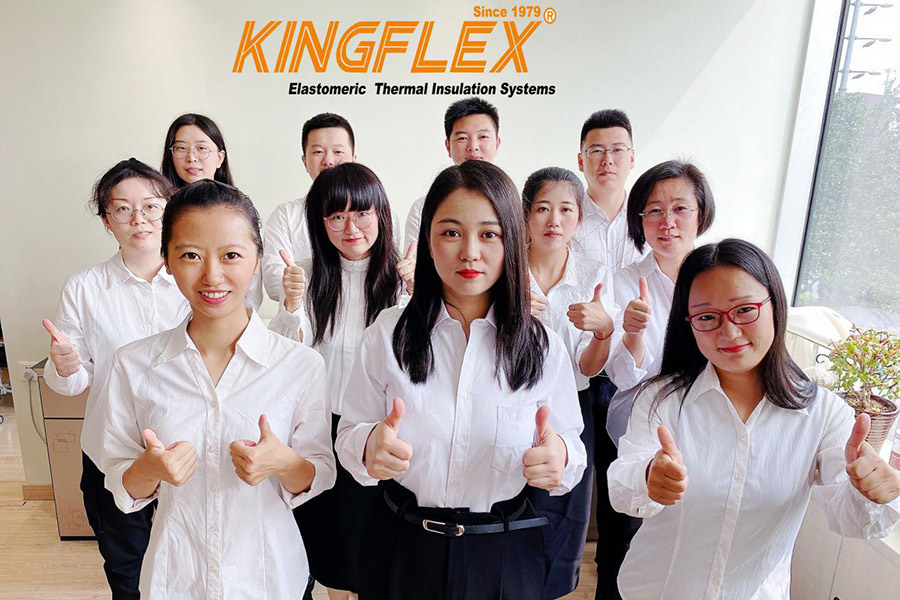
Our R&D department features eight specialized material engineers focused on polymer formulations. We work to improve flame retardancy, chemical resistance, and structural longevity, ensuring that our products meet the technical requirements of projects in over 66 countries.
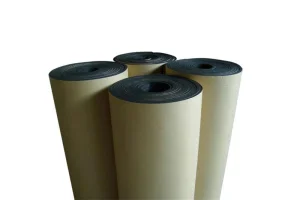
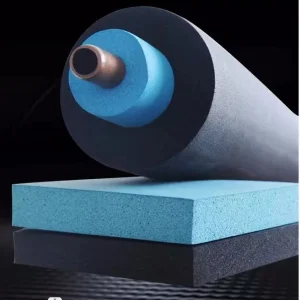
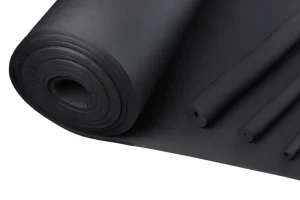
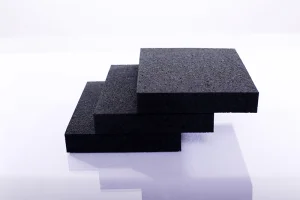
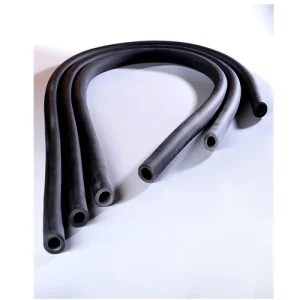
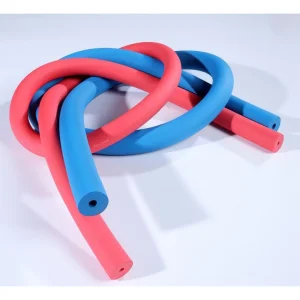
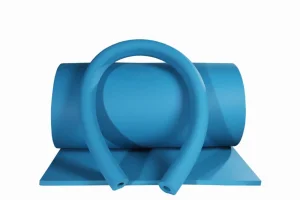
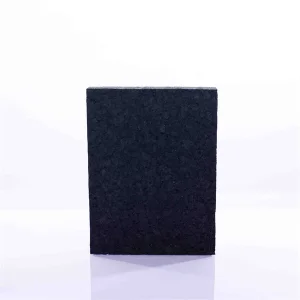
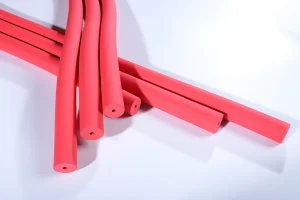
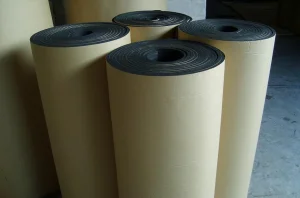
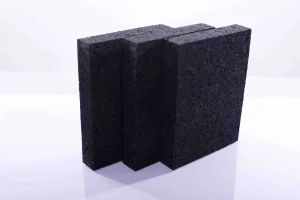
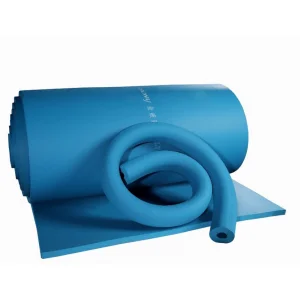
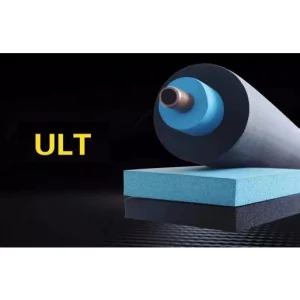
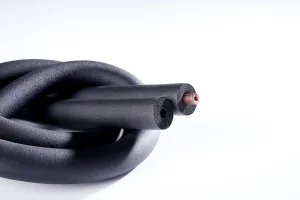
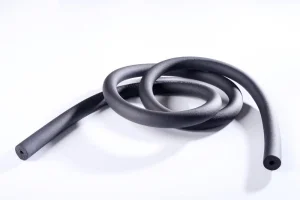
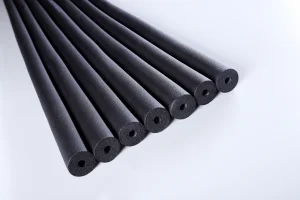
Detailed layout dimensions of our NBR/PVC elastomer systems, engineered for structural versatility and straightforward field application.
Operating environments place different demands on insulation. Our engineered NBR/PVC matrices are designed to perform reliably across a variety of settings:
In high-traffic locations such as hotels, hospitals, and shopping centers, thermal fluctuations in large supply air ducts can cause surface condensation. Kingflex sheet rolls prevent condensation and reduce transmission noise from mechanical fans.
Ultra-low temperature systems require specialized cryogenic insulation. Our low-temperature elastomeric formulations maintain flexibility and structural integrity down to -200°C, preventing thermal shock and mechanical failure.
Petrochemical facilities expose insulation to acidic, humid, and chemical-heavy atmospheres. The closed-cell PVC component in our NBR/PVC blends provides chemical resistance and helps protect pipelines from Corrosion Under Insulation (CUI).
Mass transit vehicles, stations, and airports require low-smoke, non-toxic insulation. Kingflex Class 0 rubber foam meets strict international safety standards, making it suitable for high-density public spaces.
Our commitment to reliability is demonstrated through third-party compliance testing. Kingflex NBR/PVC insulation undergoes regular verification to meet international structural and performance requirements.
Key Compliance Certificates:
Through our product batch tracking system, raw material inputs and production runs are logged for quality assurance and traceability.
It is primarily used for HVAC duct wrapping, chilled/hot water air conditioning pipes, building thermal insulation, industrial process cold insulation, and sound insulation in mechanical plant rooms.
Yes, Kingflex rubber foam is formulated with flame retardants. It complies with BS 476, UL94, and ASTM fire standards, rendering it self-extinguishing when exposed to external flame sources.
Rubber foam has a flexible, closed-cell structure with integrated vapor resistance, making it suitable for cold/hot water pipes, condensation control, and HVAC. Rock wool is a fibrous, open-celled mineral material with high temperature resistance, typically used for high-temperature industrial pipelines and fire barriers.
Yes, we offer custom wall thicknesses, inner diameters, and lengths. We also provide self-adhesive backings and foil facings to meet specific project guidelines.
Our materials are certified under BS 476, CE, REACH, RoHS, UL94, and ASTM, ensuring compliance with global regulatory standards for insulation performance.
Yes. Every batch has a dedicated product code linked to its raw material blend and processing logs, supporting quality control compliance.
We manufacture sheet rolls in thicknesses ranging from 6mm to 50mm, available in standard widths and custom lengths.
Under standard operating conditions and with proper installation, Kingflex elastomeric foam has a service life of 10 to 15 years, during which it maintains its structure and low thermal conductivity.