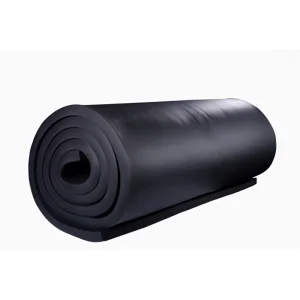
China Large Pipe Insulation Wrap Pricelist & Quotes

Engineering-grade elastomeric closed-cell insulation for industrial HVAC, cryogenic pipelines, and large-diameter building services.

Industrial Deep-Dive: Thermal Dynamics of Large Diameter Piping

Understanding the engineering criteria, moisture prevention, and energy mechanics of large pipe insulation systems.

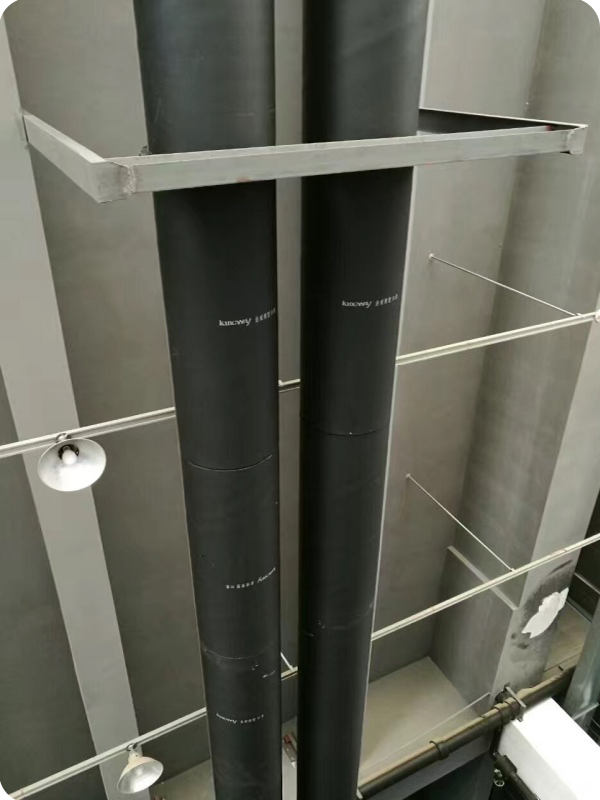
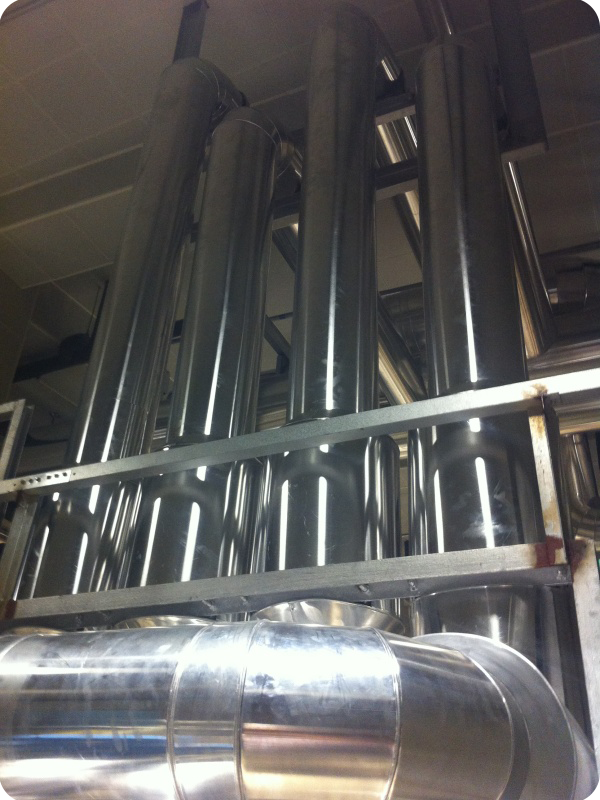
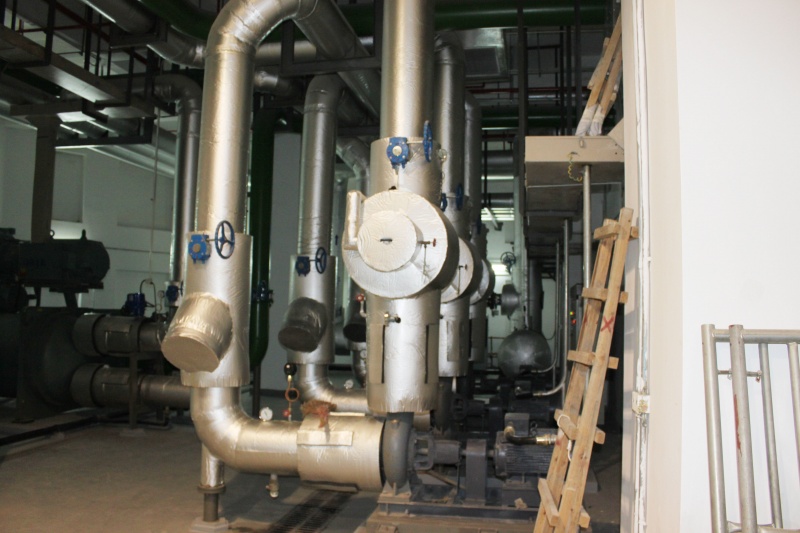
In large-scale industrial processing plants, commercial district heating, and chilled-water HVAC loops, massive pipeline networks serve as the circulatory system of the infrastructure. Effectively insulating these large-diameter pipes (typically classified as outer diameters exceeding 114mm or 4 inches) is critical for structural security, process temperature consistency, and systemic energy conservation. A failure to select, size, or correctly install a Large Pipe Insulation Wrap can culminate in continuous thermodynamic losses, massive condensation runoffs, structural corrosion under insulation (CUI), and severe safety hazards for onsite operators.

From an engineering perspective, large pipelines display a highly expanded surface area per linear meter compared to standard building utilities. Consequently, the rate of convective and radiative thermal transfer escalates dramatically. For chilled lines, the main objective of using closed-cell NBR/PVC elastomeric rubber foam wrap is to prevent moisture condensation. Because large pipes transport immense thermal capacity, any external dew-point breakthrough immediately leads to liquid accumulation. When liquid moisture penetrates open-cell insulation materials, it degrades their thermal performance (since water has a thermal conductivity 24 times higher than static air). It also triggers rapid microbiological growth and local chemical corrosion. By utilizing closed-cell structures with high water-vapor resistance factors (characterized by a μ-value ≥ 10,000), engineers can permanently lock out external moisture without relying on secondary vapor-barrier wraps.
Thermal Efficiency

Maintains low thermal conductivity (λ ≤ 0.034 W/m·K at 0°C), minimizing heat gain/loss in high-flow, high-volume process fluids.

CUI Protection

Prevents Corrosion Under Insulation (CUI) by keeping moisture away from carbon and stainless steel pipe walls.

🛡Safety Compliance

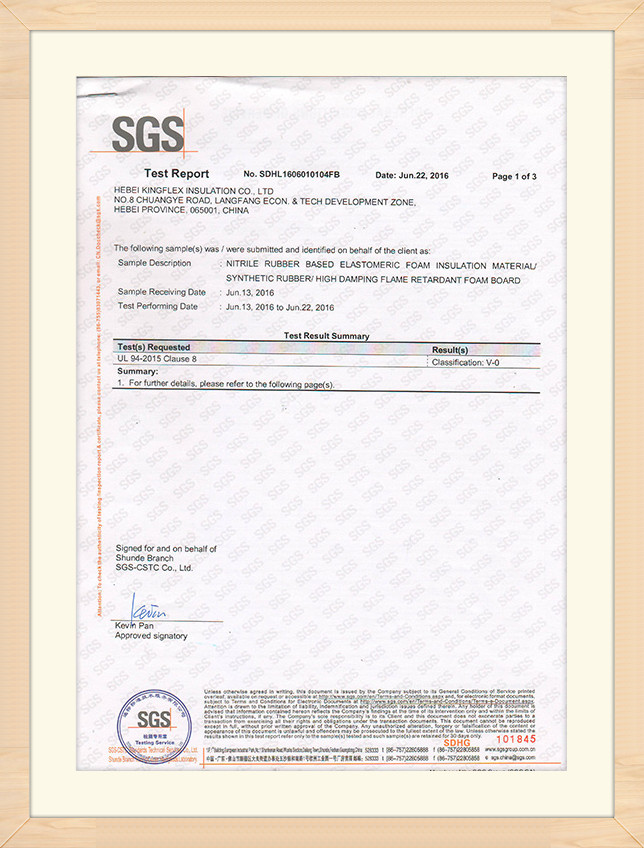
Meets rigorous fire standards including BS 476 Part 6/7 Class 0/1 and UL94 V-0 for commercial building safety.

Technical Roadmap & Specification Parameters

Physical metrics and standard parameters of Kingflex NBR/PVC elastomeric insulation materials.
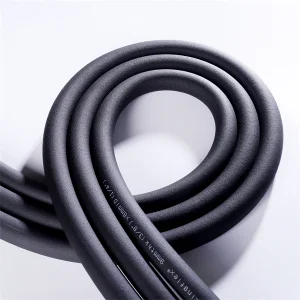
Technical Characteristic Standard Reference Value Test Standard Compliance
Material Formulation Nitrile-Butadiene Rubber (NBR) & Polyvinyl Chloride (PVC) Elastomeric Blend ASTM C534 Type I/II -
Density Range 40 - 55 kg/m³ ASTM D1622 / GB/T 6343 -
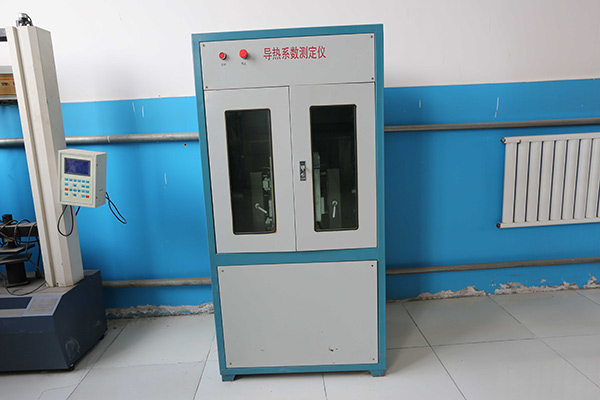
Thermal Conductivity (λ) ≤ 0.034 W/(m·K) at 0°C | ≤ 0.038 W/(m·K) at 40°C ASTM C177 / ASTM C518 -
Water Vapor Permeability (μ) ≥ 10,000 (Closed-cell rate ≥ 98%) BS EN 12086 / ASTM E96 -
Service Temperature Limits -40°C to +105°C (Up to -200°C for cryogenic specialized runs) ASTM C411 / EN 14707 -
Fire Safety Rating Class 0 (BS 476 Part 6/7), Class B1 (GB 8624), UL94 V-0 BS 476, UL 94, ASTM E84 -
Compression Resilience ≥ 80% recovery under standard compression test ASTM D1056 -

Beyond traditional heating and cooling setups, specialized applications like cryogenic thermal insulation require highly customized layouts. Standard rubber foam can suffer from thermal stress cracks when temperatures drop below -40°C. Kingflex has developed advanced cryogenic thermal systems designed for ultra-low temperature conditions. These system configurations use multi-layer configurations with variable densities. This approach handles extreme expansion and contraction cycles on LNG pipelines and ethylene transport systems, operating safely down to -200°C.
Kingflex Insulation Co., Ltd.
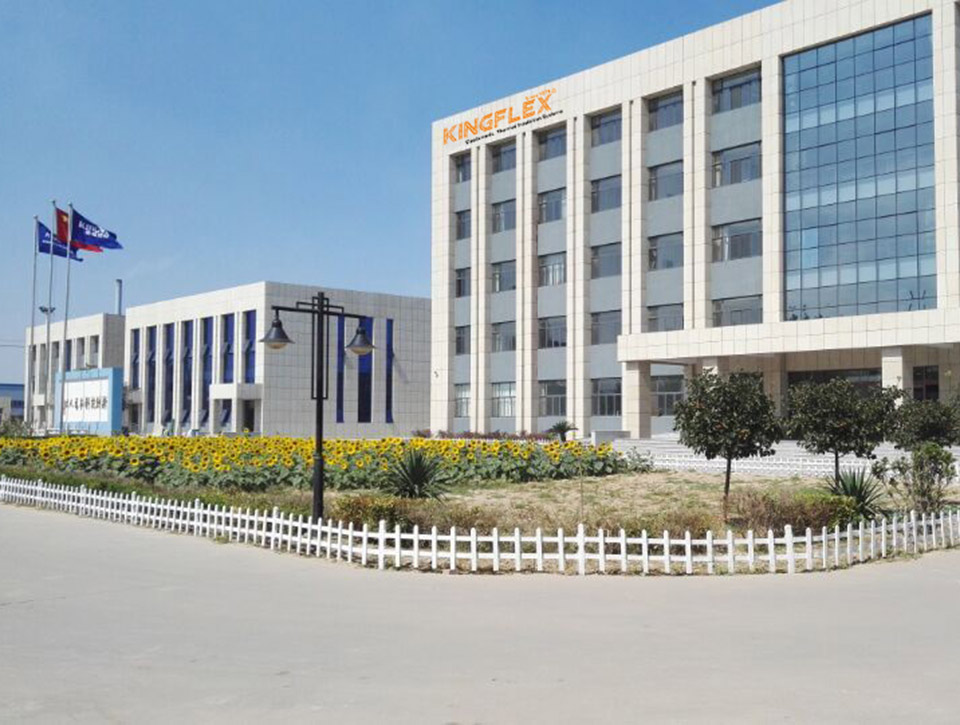
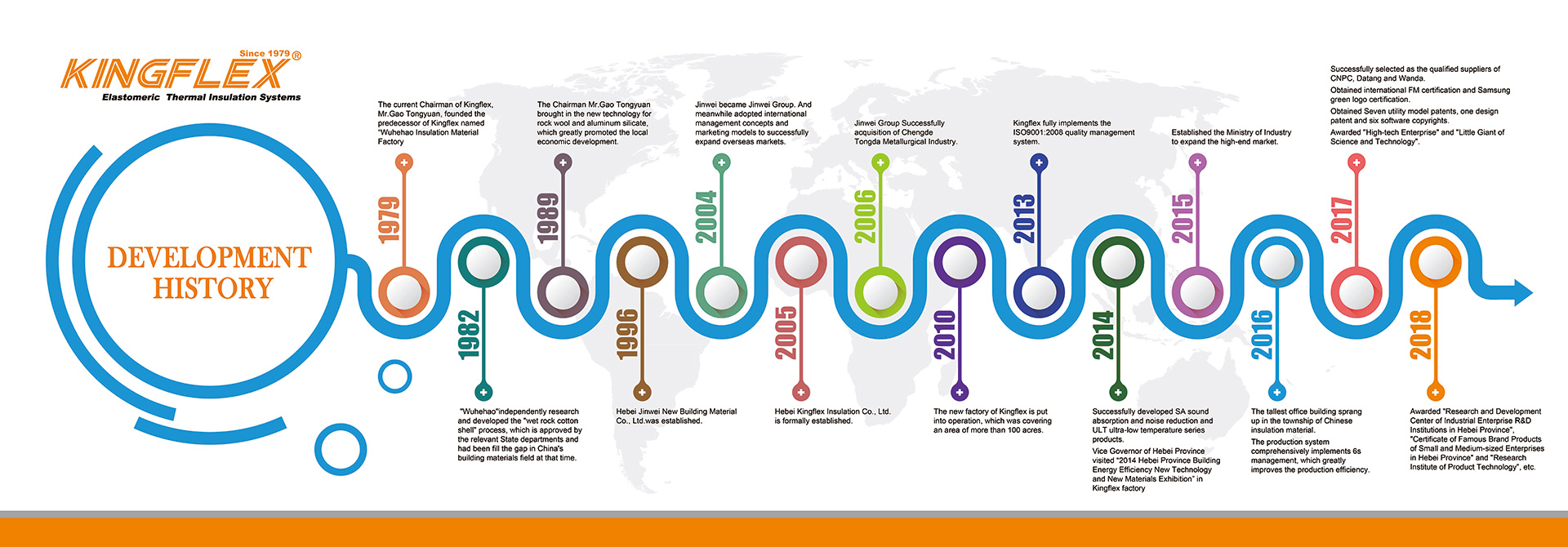
Established in 1979 under the Jinwei Group, Kingflex is a leading industrial enterprise in China’s green building materials sector. For over 40 years, we have designed and manufactured premium thermal insulation solutions.

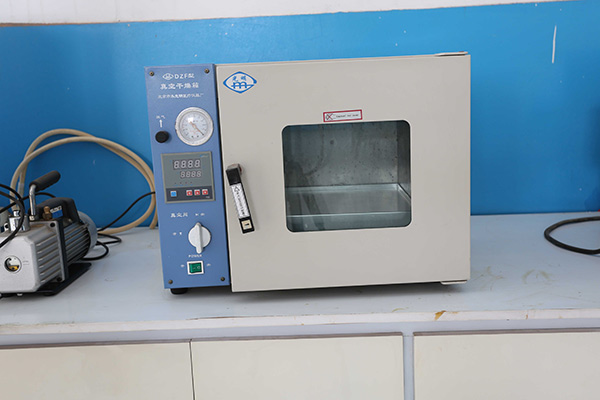
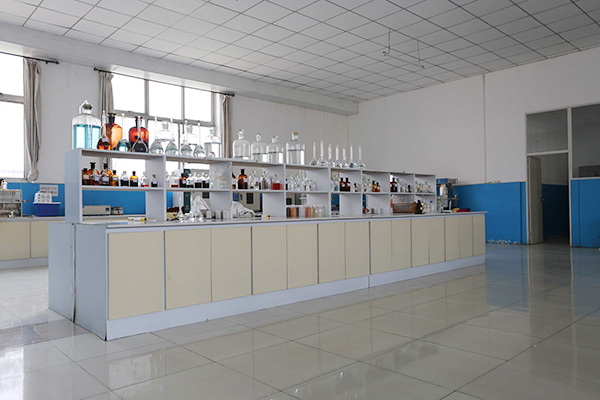
Located in Dacheng, China—a hub for green building materials—our production base covers advanced R&D labs, ISO-certified quality control lines, and global sales divisions. We offer a full cycle of services, including project consultation, material development, layout planning, and post-installation support.

1979
Founded Year
600K+
Capacity (m³/yr)
66+
Countries Exported
8
R&D Engineers

Global and Localized Application Scenarios

From dense municipal zones to complex industrial plants, our insulation wrap provides reliable thermal performance across diverse climates.

🏢Commercial HVAC & District Cooling

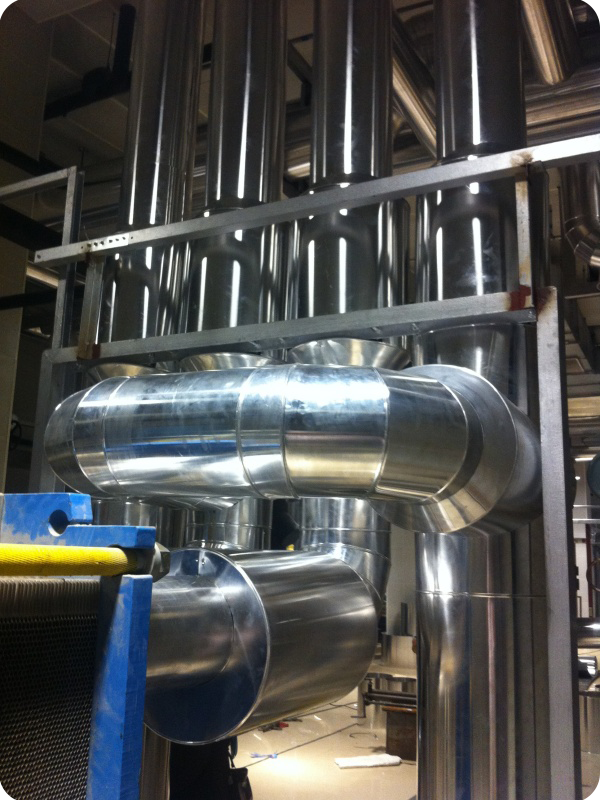
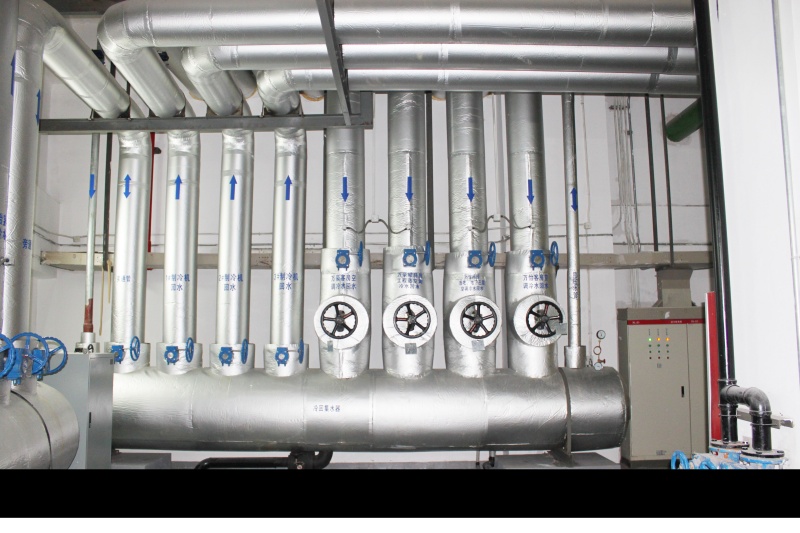
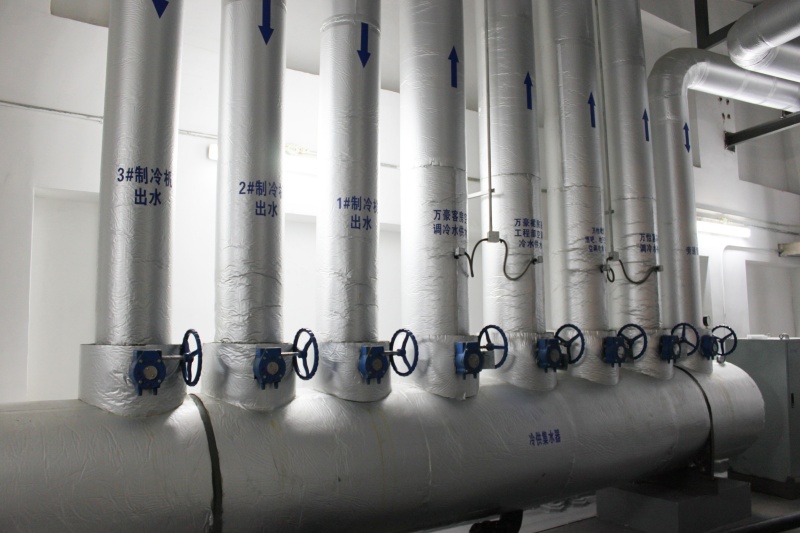
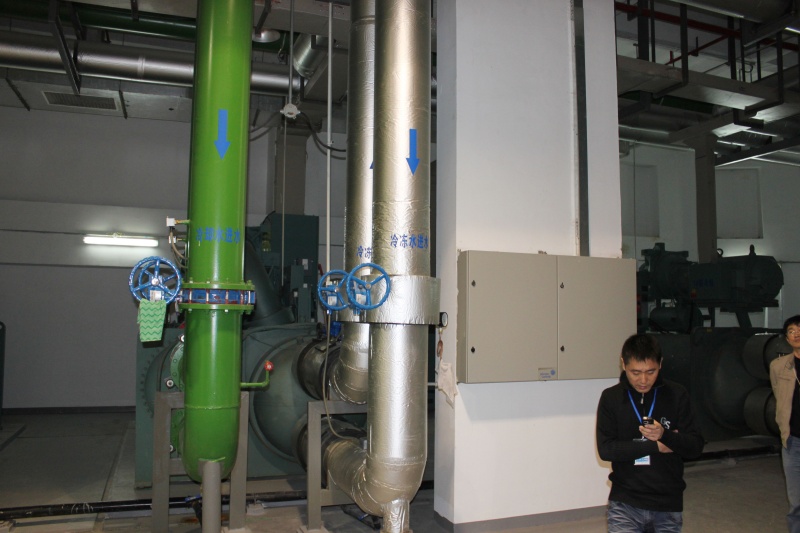
Used on large water chiller pipes, main air handling unit (AHU) inlets, and condenser pipes in commercial complexes, mega-malls, and airports. The closed-cell system prevents condensation runoffs in humid environments.

💧Municipal Clean Water Pipelines

Installed on main municipal water lines to prevent pipe freezing in cold winter climates and mitigate temperature drift. NBR/PVC's flexibility simplifies installation around structural bends.

🏭Petrochemical & Industrial Process

Protects high-flow process piping, storage tanks, and steam lines. The materials stand up to corrosive chemical environments and resist oil, acid, and alkaline contact.

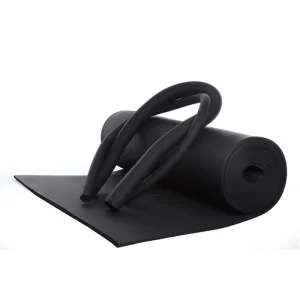
In humid coastal and offshore environments, salt spray and high moisture levels can quickly degrade traditional fiberglass wrap. Using Kingflex rubber foam insulation sheets and tubes helps prevent salt-laden air from reaching the pipe surface. This minimizes the risk of galvanic corrosion and structural failure on marine vessels and coastal facilities. For industrial HVAC setups, our materials also provide significant sound dampening. The elastomeric matrix absorbs acoustic vibration, reducing noise from high-velocity liquid pumps and heavy air compressors.

Supply Chain Resilience & Manufacturing Efficiency

Why Kingflex is the chosen partner for major EPC firms and global distributors.

Automated Precision and Scalable Output

Kingflex operates 5 large-scale automated assembly lines, delivering an annual production capacity of over 600,000 cubic meters. By integrating raw material dosing, continuous vulcanization, foaming, and inline sizing, we maintain uniform cell distribution and consistent density. This automated approach ensures that every sheet and tube meets tight thermal performance standards.

Our manufacturing operations are based in Dacheng, China, giving us access to raw material networks for nitrile rubber, PVC, and fire-retardant additives. This localized supply chain keeps production costs stable and insulates our operations from raw material market fluctuations, allowing us to offer reliable pricing to global buyers.

📋Traceable Quality Control

Every production batch is assigned a unique tracking number, linking it to raw material logs, curing temperatures, and quality testing data. This system provides clear traceability for long-term project planning.

🚢Streamlined Logistics

Our proximity to major northern ports, such as Tianjin Port, supports fast container loading and regular shipping schedules, helping us maintain predictable transit times for our international clients.

🛡Technical Service Teams

With 8 dedicated R&D engineers, we provide custom sizing, composite cladding options, and thermal calculation models to help you select the right insulation system for your project.

Technological Roadmap & Future Horizons

Aligning with global decarbonization goals through advanced material engineering.

As global carbon mitigation targets become increasingly stringent, industrial plants are under pressure to optimize energy performance. Insulation is no longer just a passive layer on a pipe; it is a critical component of energy conservation plans. Kingflex’s material R&D is focused on three main pillars:

  • Eco-Friendly Chemical Formulation: We are transitioning to zero-halogen formulations that eliminate bromine and chlorine additives, reducing smoke toxicity during fire events while maintaining BS 476 Class 0 and UL94 V-0 flame ratings.
  • High-Performance Composite Barriers: We are developing pre-applied protective coatings (such as aluminum-glass fabric composites) that improve mechanical resistance, UV protection, and chemical resistance on outdoor pipelines.
  • Advanced Cryogenic Engineering: We are expanding our elastomeric systems to support temperatures down to -200°C. These systems are designed to manage thermal contraction and prevent thermal fatigue in critical LNG and cryogenic gas installations.

International Certifications & Standards Compliance

Kingflex products undergo third-party testing to comply with international construction and safety codes.

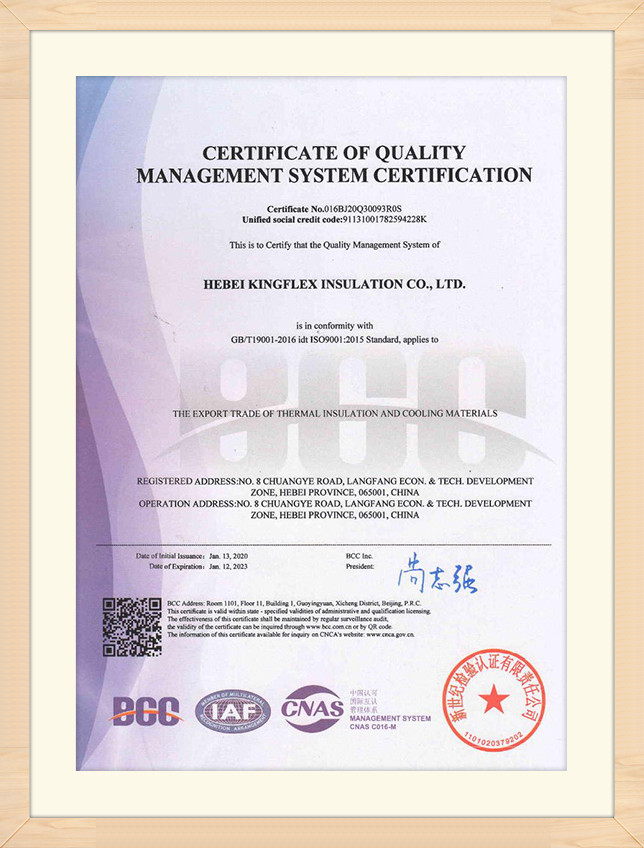
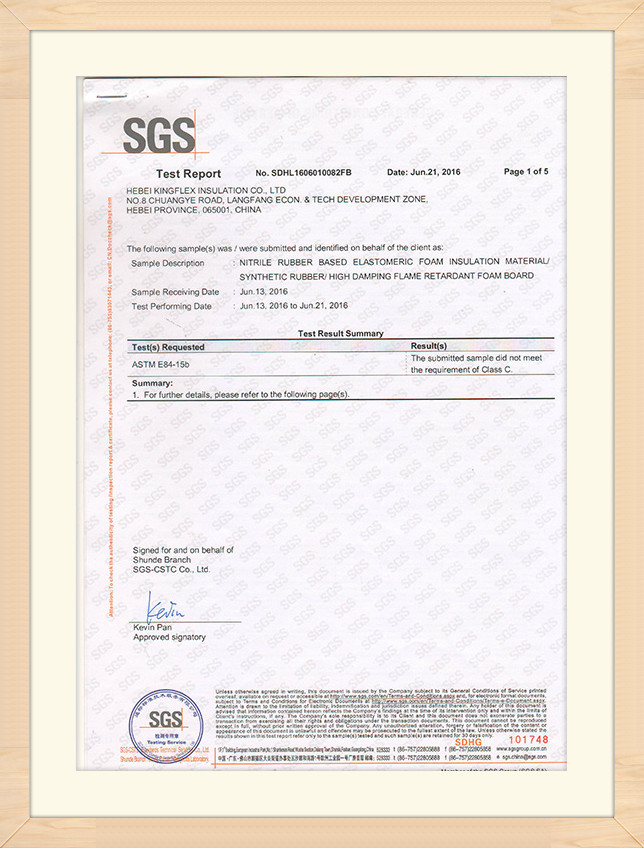
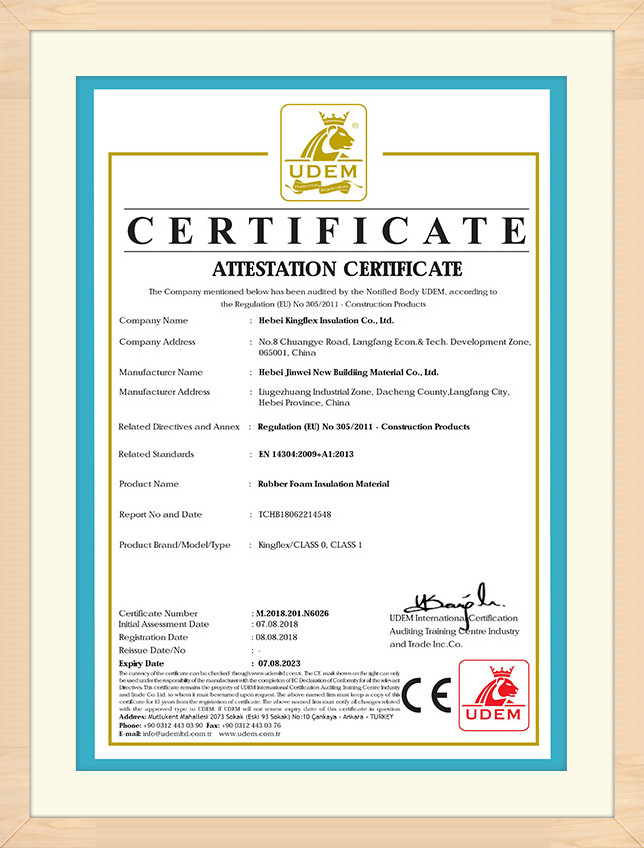
To support global supply needs, our insulation systems hold certifications from leading testing labs, including BS 476 (Part 6 & 7), CE Mark, REACH, RoHS, UL94, and ASTM. These certifications verify that our materials meet strict standards for flame spread, smoke density, chemical safety, and thermal performance.

These credentials help engineers and project managers simplify their compliance processes, ensuring smooth approvals from local building authorities and insurance inspectors.

Commercial Outlook: Pricelists & Quotation Factors

How we structure bulk quotes for large-scale engineering and supply projects.

When purchasing large pipe insulation wrap, unit costs are determined by several key project requirements. Understanding these factors helps procurement managers optimize their budgets and plan timelines effectively:

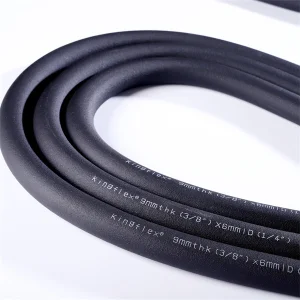
  • Wall Thickness Requirements: We offer thicknesses ranging from 6mm up to 50mm. Chill line systems in humid areas typically require thicker configurations (32mm to 50mm) to prevent condensation, which can adjust the total material volume and pricing.
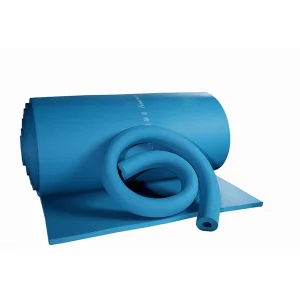
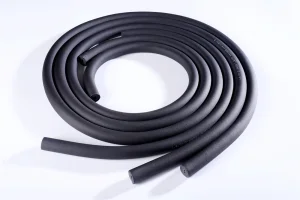
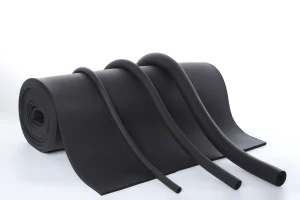
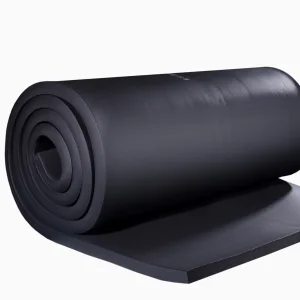
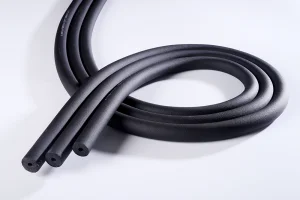
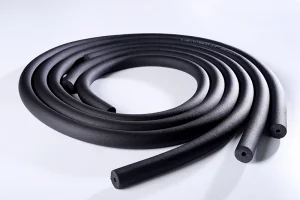
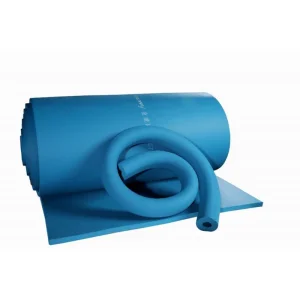
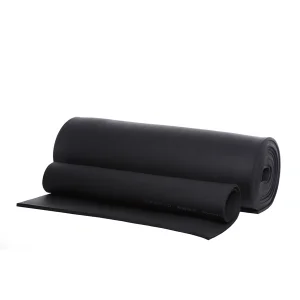
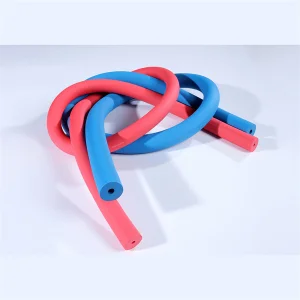
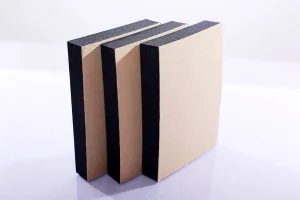
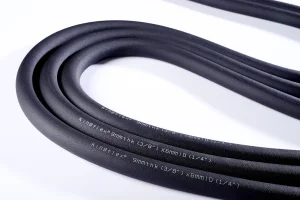
  • Inner Diameter (ID) Sizing: Large-diameter pipelines (from 114mm up to 1000mm) are insulated using pre-slit tubes for standard sizes, or flexible sheet rolls for custom diameters. Sheet rolls offer practical installation for large pipes, minimizing seam count and labor costs.
  • Protective Jacketing Options: For outdoor lines, incorporating UV-resistant coatings or aluminum jacketing improves durability. While this increases the initial material cost, it extends the service life of the insulation to 10–15 years, reducing maintenance costs.
  • Shipping and Volume Discounts: Kingflex offers tiered pricing for high-volume orders (by container or multi-container shipments), allowing us to provide competitive rates for large projects.

For custom configurations, our technical support team provides calculated estimates based on your pipe dimensions, ambient conditions, and medium temperatures. This ensures you receive an accurate quote tailored to your specific application.

Frequently Asked Questions

Technical answers to key inquiries regarding large pipe insulation specification and installation.

?Q1: What is elastomeric rubber foam insulation used for?

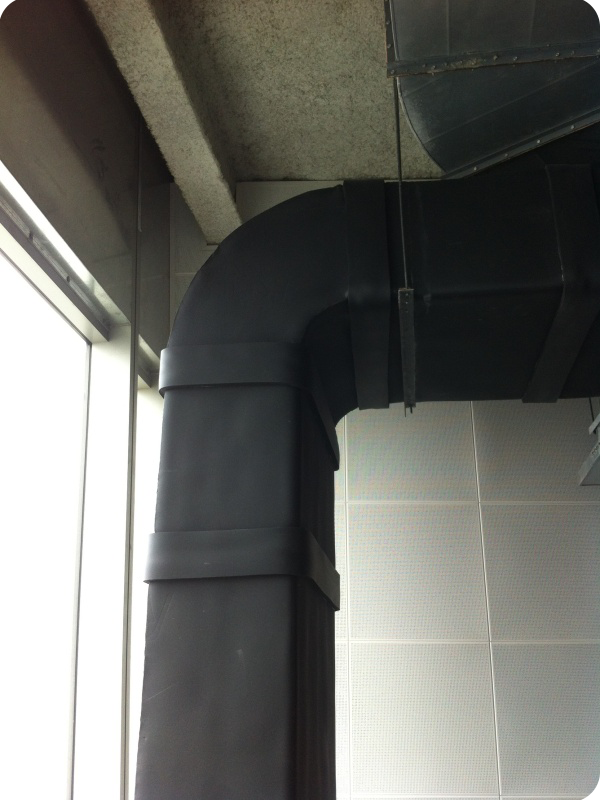
A1: It is mainly used for HVAC ducts, air conditioning pipes, building thermal insulation, industrial pipeline cold insulation, and sound insulation. Its closed-cell structure helps limit thermal transfer and prevents condensation on cold pipes.

?Q2: Is Kingflex rubber foam insulation fire resistant?

A2: Yes. Our rubber foam insulation includes flame-retardant additives that meet international safety standards, including BS 476 Part 6 & 7 Class 0 and UL94 V-0 ratings.

?Q3: What is the difference between rubber foam and rock wool insulation?

A3: Rubber foam is a flexible, closed-cell material that provides high moisture resistance, making it suitable for HVAC and chilled-water systems. Rock wool is an open-cell, fibrous material that offers high temperature resistance, making it suitable for high-temperature steam lines and fire barriers.

?Q4: Do you provide customized insulation products?

A4: Yes. We offer OEM/ODM services, allowing us to produce custom wall thicknesses, inner diameters, and factory-applied backings or jackets to meet project specifications.

?Q5: What certifications do your products have?

A5: Our products are certified by third-party agencies to meet standards including BS 476, CE, REACH, RoHS, UL94, and ASTM. This documentation supports the compliance needs of international projects.

?Q6: Does Kingflex products have traceability?

A6: Yes. Every production batch is traced back to its raw material logs, curing parameters, and QA test results, providing transparency for long-term project planning.

?Q7: What thickness of Rubber foam insulation sheet roll can you produce?

A7: We manufacture sheets and rolls in thicknesses from 6mm up to 50mm, allowing you to select the appropriate thickness for your project's thermal design.

?Q8: What is the service life of rubber plastic pipe and board?

A8: Under standard operating conditions and with proper installation, Kingflex products have an expected service life of 10 to 15 years.

?Q9: How do you install rubber foam sheets on large-diameter pipes?

A9: For large pipes, the insulation sheet is cut to match the pipe's outer circumference, wrapped around the pipe, and sealed at the seams using contact adhesive. For outdoor systems, weather-resistant jacketing is recommended to protect the installation.

?Q10: What is the minimum order quantity (MOQ) and delivery timeline for export orders?

A10: Our MOQs are structured to optimize shipping container capacity. Standard configurations are typically processed and shipped within 2–3 weeks from our automated facility in Dacheng.