Wholesale Cryogenic Insulation Material Manufacturer & Factories
Pioneering High-Performance Closed-Cell Elastomeric Systems and Industrial Thermal Solutions for Ultra-Low Temperature Pipelines, LNG, and HVAC Infrastructure Worldwide.
Featured Cryogenic Insulation Materials
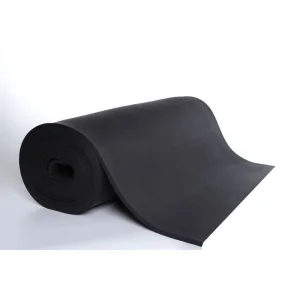
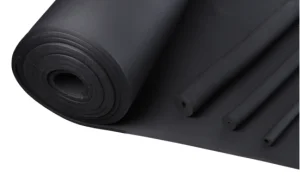
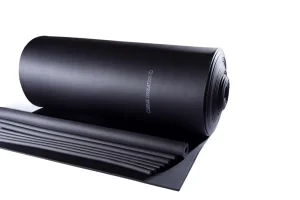
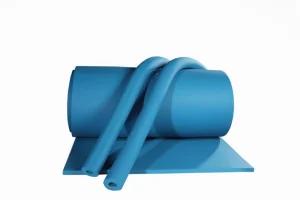
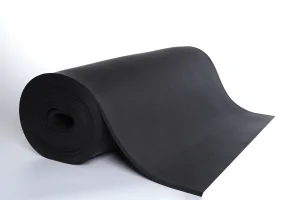
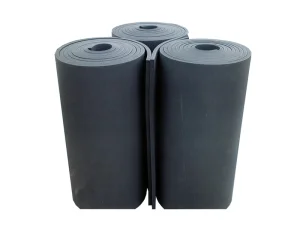
Engineered for extreme performance, our closed-cell elastomeric rubber foam insulation series delivers optimal thermal barrier protection under ultra-low temperatures.
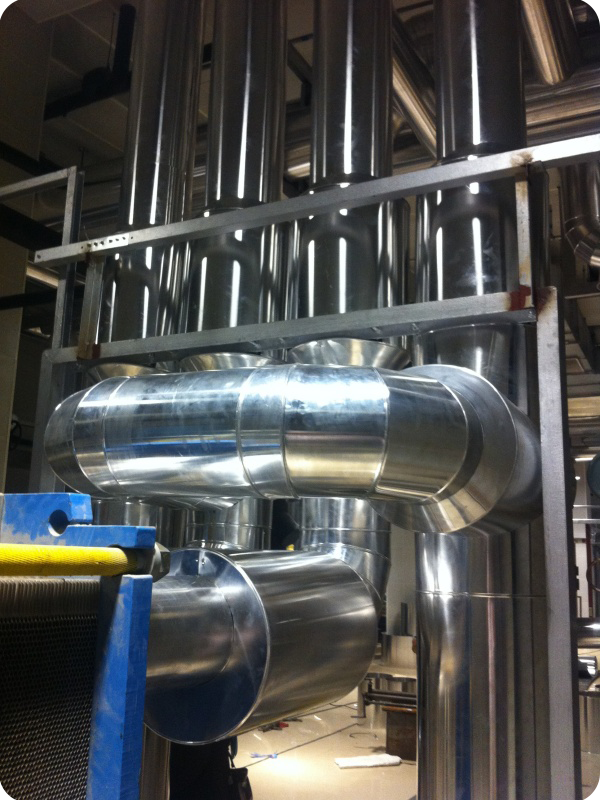
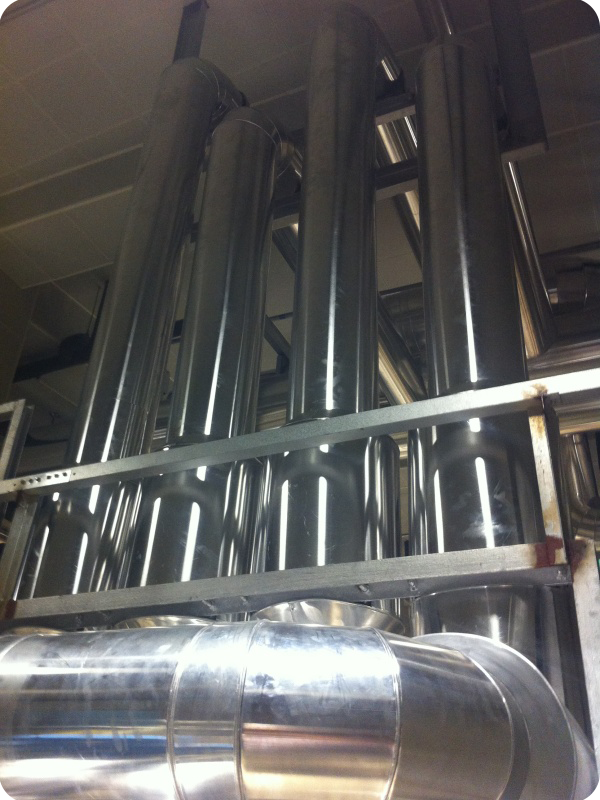
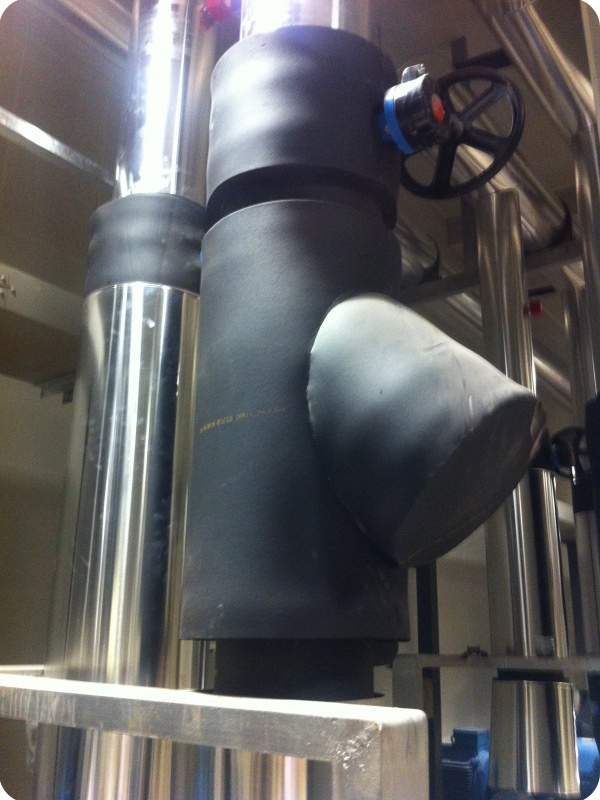
Under extreme industrial environments operating at sub-zero temperatures (ranging from -40°C down to -200°C), standard insulation materials fall short. When handling media like Liquefied Natural Gas (LNG), liquid ethylene, or nitrogen, the atmospheric temperature differential triggers an intense physical force known as vapor pressure drive. This drive pushes ambient moisture inward toward the cold substrate. If moisture penetrates the insulation, it turns to ice, causing thermal bridging, insulation degradation, and severe piping corrosion under insulation (CUI).
Our engineered closed-cell elastomeric rubber foam insulation system acts as a built-in vapor barrier. Boasting a uniform cell matrix structure where the closed-cell rate exceeds 98%, this material resists moisture absorption, maintaining consistent thermal conductivity over decades of service. This reliability translates directly to reduced operational energy loss, protected infrastructure, and prolonged plant life cycles.
Our Corporate Journey & Production Legacy
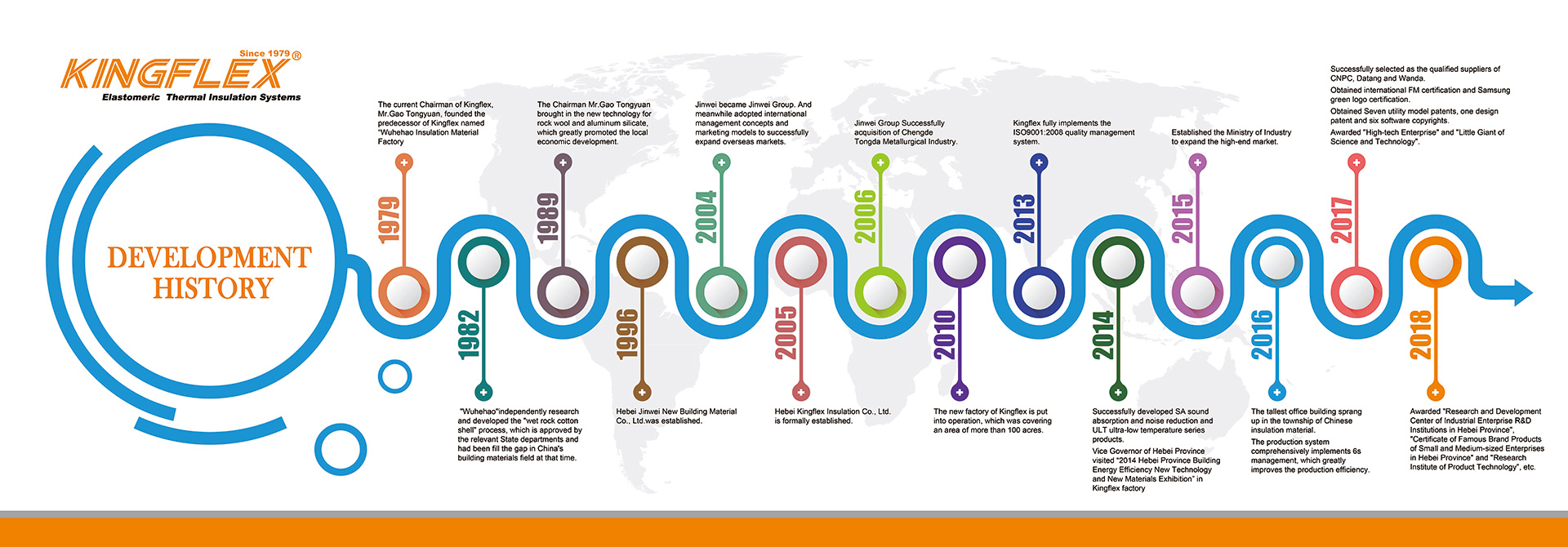
Tracing back over four decades of thermal insulation production expertise, Kingflex Insulation stands as an industry benchmark in green industrial building materials.
Our Corporate Roots
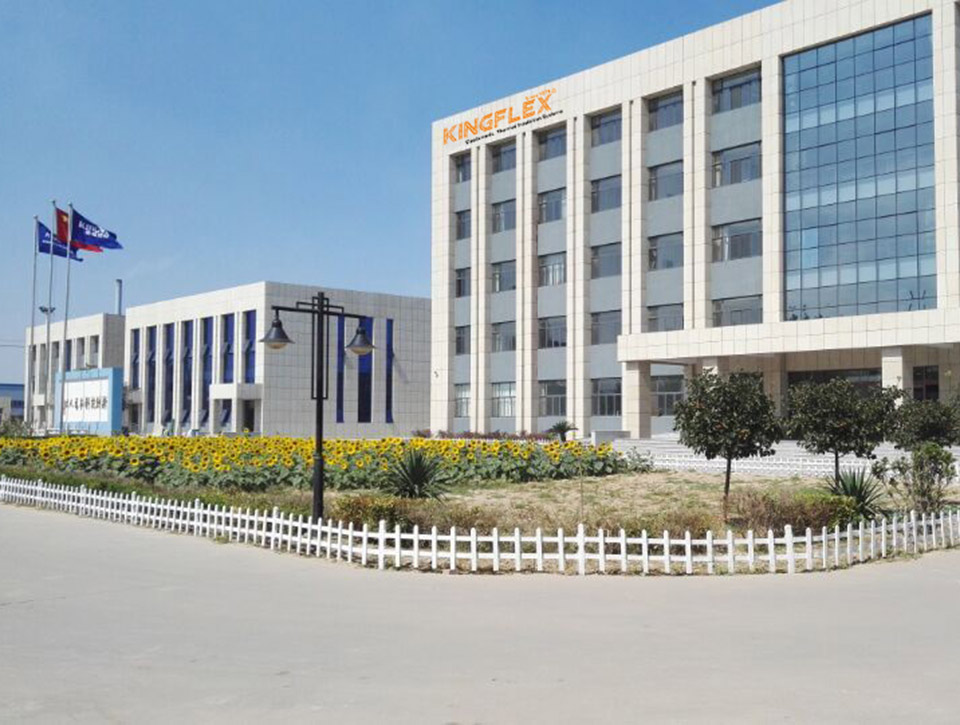
Kingflex Insulation Co., Ltd. operates as a combined manufacturing and trading entity dedicated to thermal insulation innovations. Our R&D and manufacturing hubs are situated in Dacheng, China—historically celebrated as the capital of green-building materials. As an energy-saving, environmentally conscious enterprise, Kingflex combines research, automated production, global distribution, and post-installation consulting under one roof.
Established under the Jinwei Group (Kingway Group), which dates back to 1979, our parent company was the first manufacturer of thermal insulation materials north of the Yangtze River. This rich manufacturing heritage ensures our processes are rooted in deep technical competence and reliable production protocols.
1979
Establishment Year
5
Automatic Lines
600K+ m³
Annual Capacity
66+
Export Countries
R&D Capabilities & Industrial Scale
Through automated production lines and deep material research, we meet the continuous supply requirements of global petrochemical and HVAC projects.
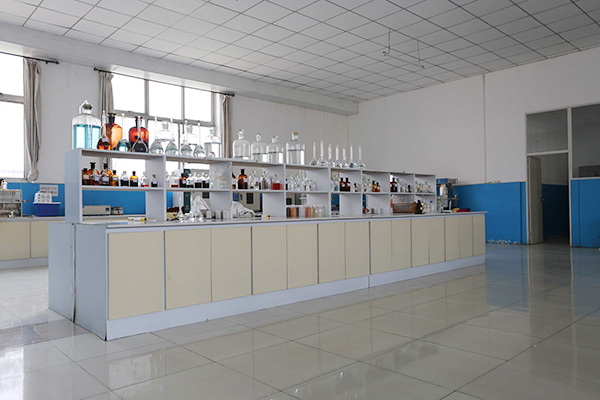
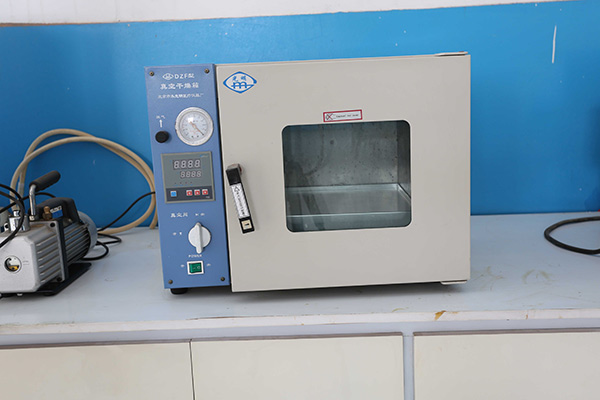
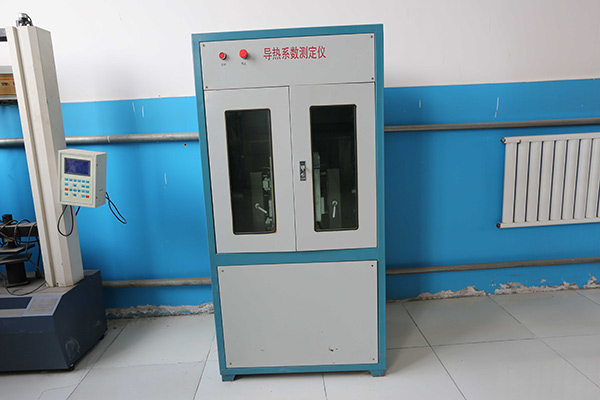
Advanced R&D Testing
Our research and development team, led by 8 professional engineers, consistently refines the molecular cross-linking structure of NBR/PVC blends to maintain flexibility at liquid nitrogen levels.
Precision Processing
We deploy precise temperature-control mixers to secure consistent density across batches, assuring clients of predictable performance on complex industrial insulation jobs.
Automated Assembly Lines
Operating 5 major automated continuous-extrusion assembly lines allows for immediate turnaround, short lead times, and seamless custom length operations.
The Strength of China's Supply Chain Integration
Why international EPC contractors choose Chinese manufacturers for their mega-scale industrial cryogenic insulation demands.
1. Raw Material Consolidation
Dacheng and its surrounding regions host a major green building materials industrial cluster. This provides immediate, secure access to high-quality synthetic rubbers, foaming catalysts, and flame retardants, insulating our clients from global chemical raw material price shocks.
2. Unmatched Scaling Power
Our capacity to deliver over 600,000 cubic meters annually means we can scale production up or down to match tight project milestones, preventing project bottlenecks for offshore gas terminal developments.
3. Logistics Hub Proximity
Strategically situated near the major maritime hubs of Northern China, we streamline overland freight routes to port terminals. This results in reduced shipping transit delays, lower ocean freight rates, and minimized custom documentation bottlenecks.
Addressing Enterprise Procurement Needs
Ensuring reliable business continuity, absolute traceability, and clear commercial models for procurement agents.
Compliance Assurance
Our operations comply with global environmental mandates, including REACH, RoHS, and UL certification frameworks. This ensures hassle-free import clearance at international borders.
Traceability Protocols
Each production batch of Kingflex elastomeric insulation is logged with records detailing raw materials, curing heat curves, and foam expansion metrics. We provide full quality traceability for heavy industry audits.
Flexible OEM Support
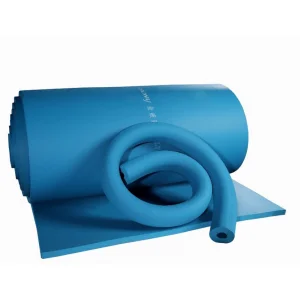
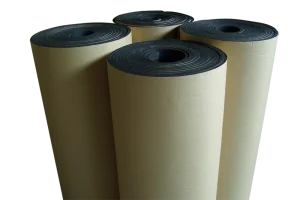
We accommodate specific configurations, sheet thicknesses, self-adhesive layers, foil laminations, and tailored inner-diameter tubes to match your project specifications.
Detailed Product Specifications & Performance Data
Rigorous engineering benchmarks for our core elastomeric foam sheet rolls and pre-formed insulation piping.
Operating Temperature Range: -40℃ to 105℃ (Extended performance available for cryogenic setups)
Flame Retardancy: Self-extinguishing, Class 0 rating
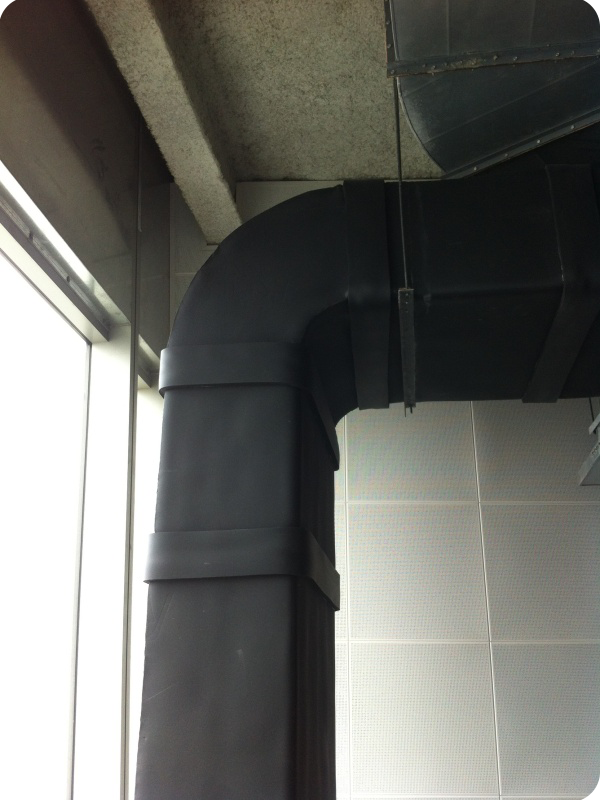
Primary Applications: Air conditioning air duct insulation, large petrochemical tanks, storage vessels, HVAC equipment rooms, industrial building soundproofing, and cold room subflooring.
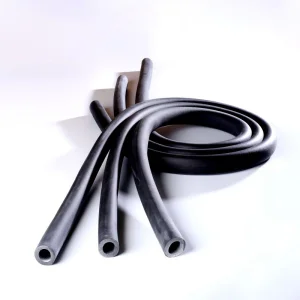
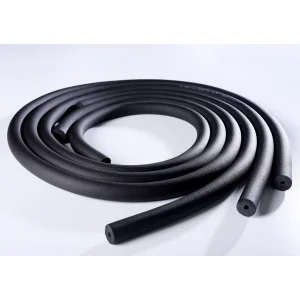
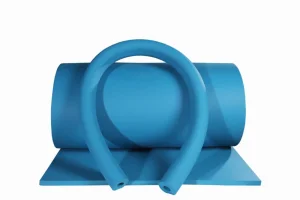
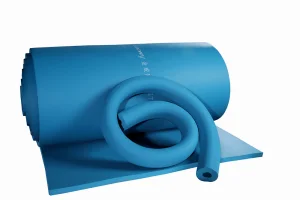
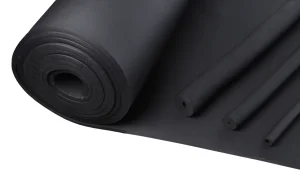
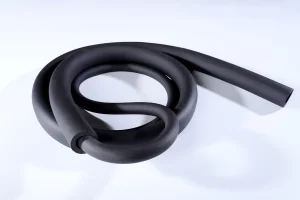
Black Rubber Foam Insulation Pipe / Tube
Structure: Semi-rigid, flexible continuous sleeve
Inside Diameter (ID) Range: 6mm to 114mm
Wall Thickness Range: 9mm to 40mm
Moisture Resistance: High moisture resistance factor
Elongation & Flexibility: Easily curves over tight piping elbows without fracturing the closed-cell matrix
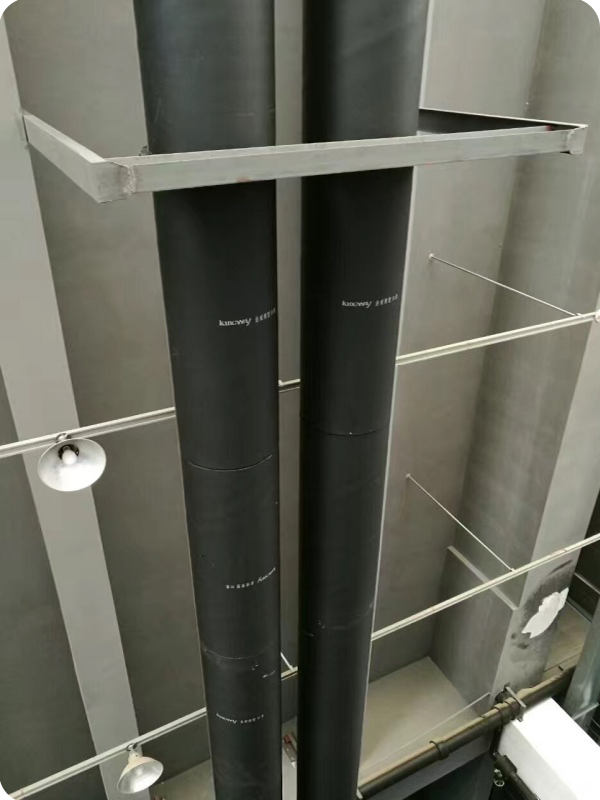
Primary Applications: Cryogenic process pipe systems, central air conditioning chilled/hot water networks, plumbing condensation control, chemical processing lines, and solar water installations.
Property
Test Standard
Kingflex Standard Rating
Thermal Conductivity (at 0°C)
ASTM C518 / ISO 8301
≤ 0.034 W/(m·K)
Moisture Resistance Factor (μ)
EN 12086 / BS EN 13469
≥ 10,000 (Vapor Barrier Built-in)
Water Absorption Rate
ASTM C209
≤ 0.2% by volume
Fire Performance
BS 476 Part 7 / Class 0
Class 0 (Flame spread prevention)
Compression Resilience
ASTM D1667
≥ 80% recovery rate
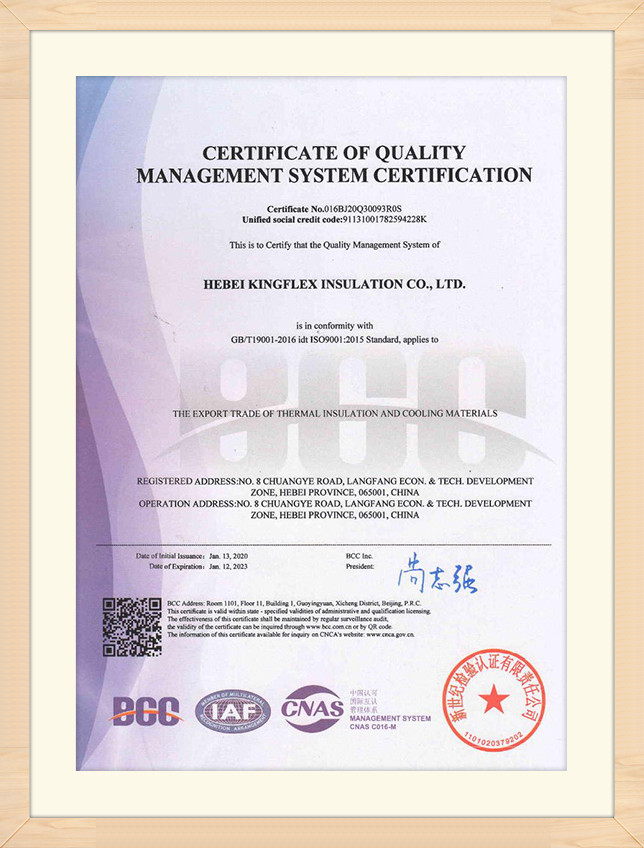
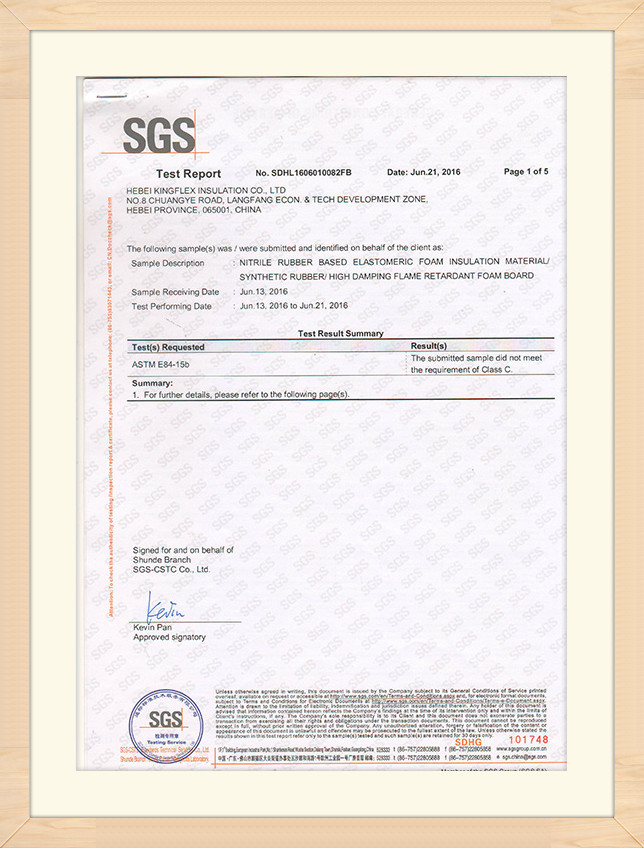
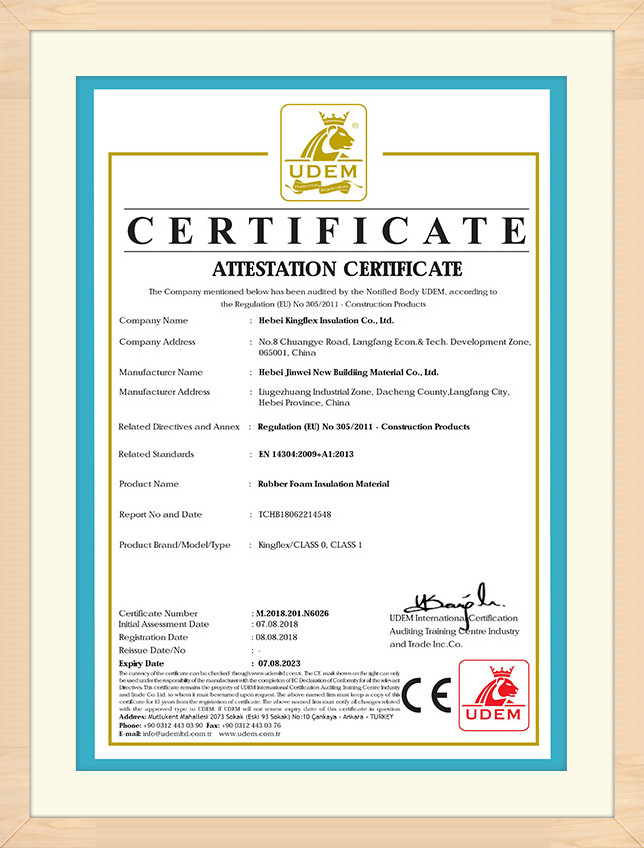
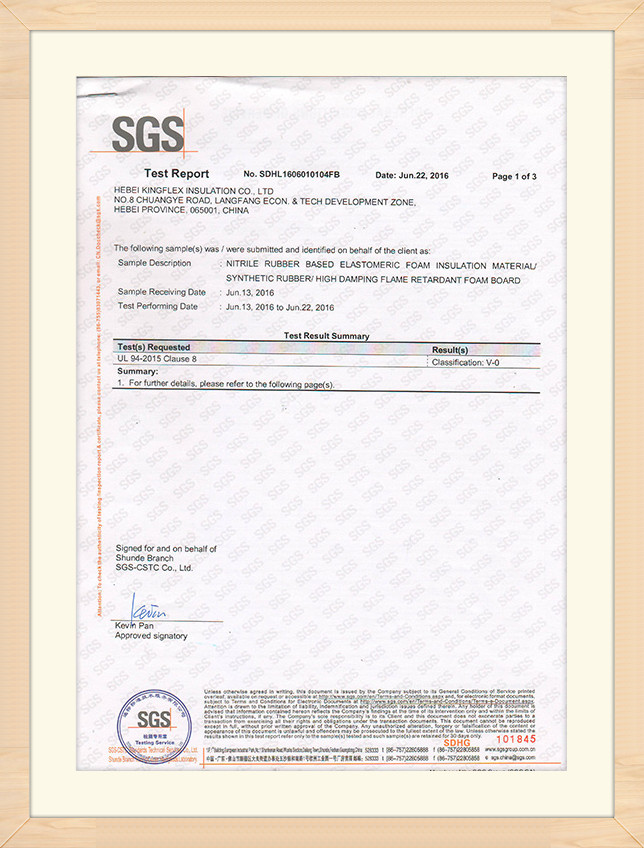
Certificates & Global Quality Benchmarks
Our processes are accredited by international testing institutes, validating compliance with global environmental and safety standards.
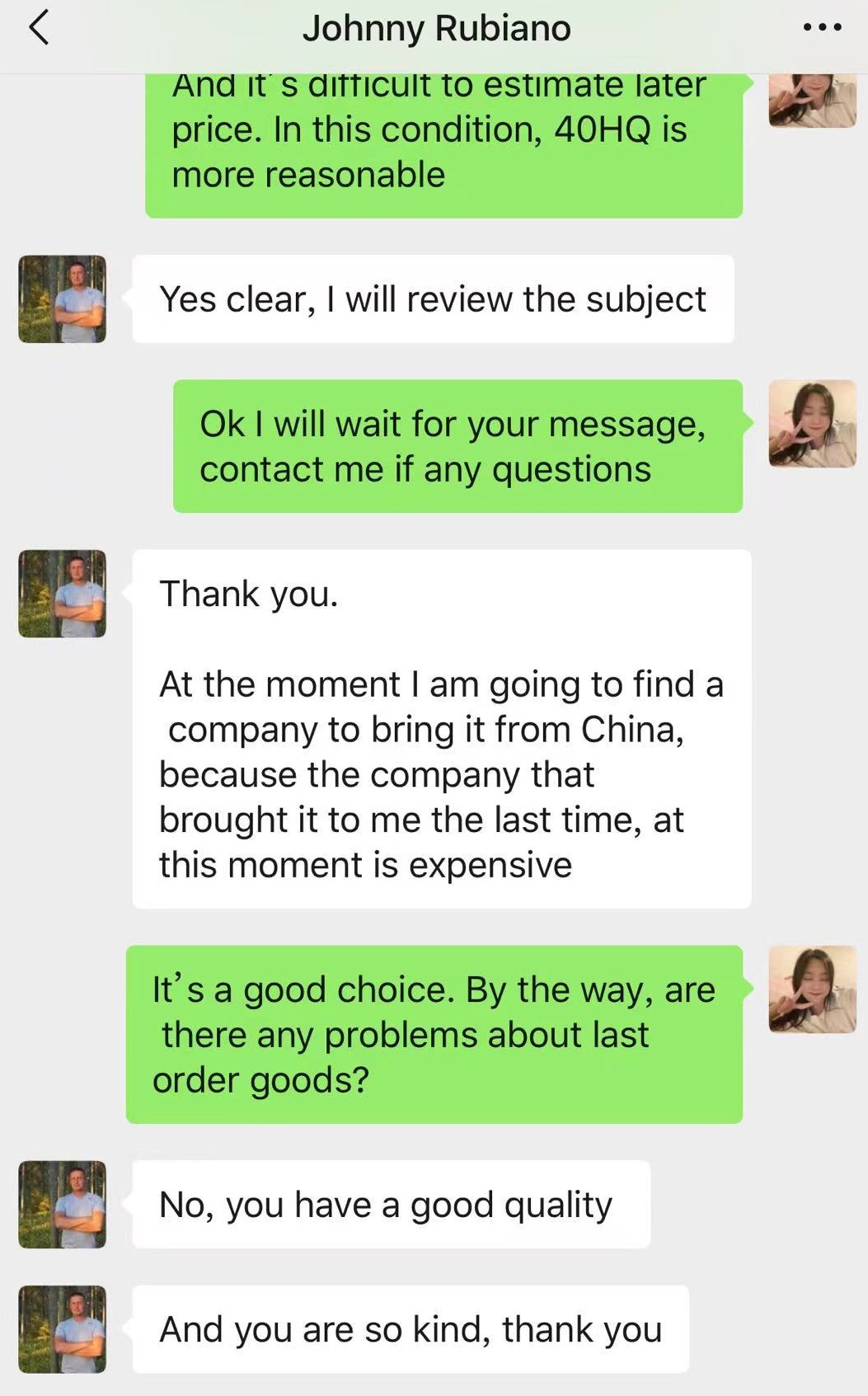
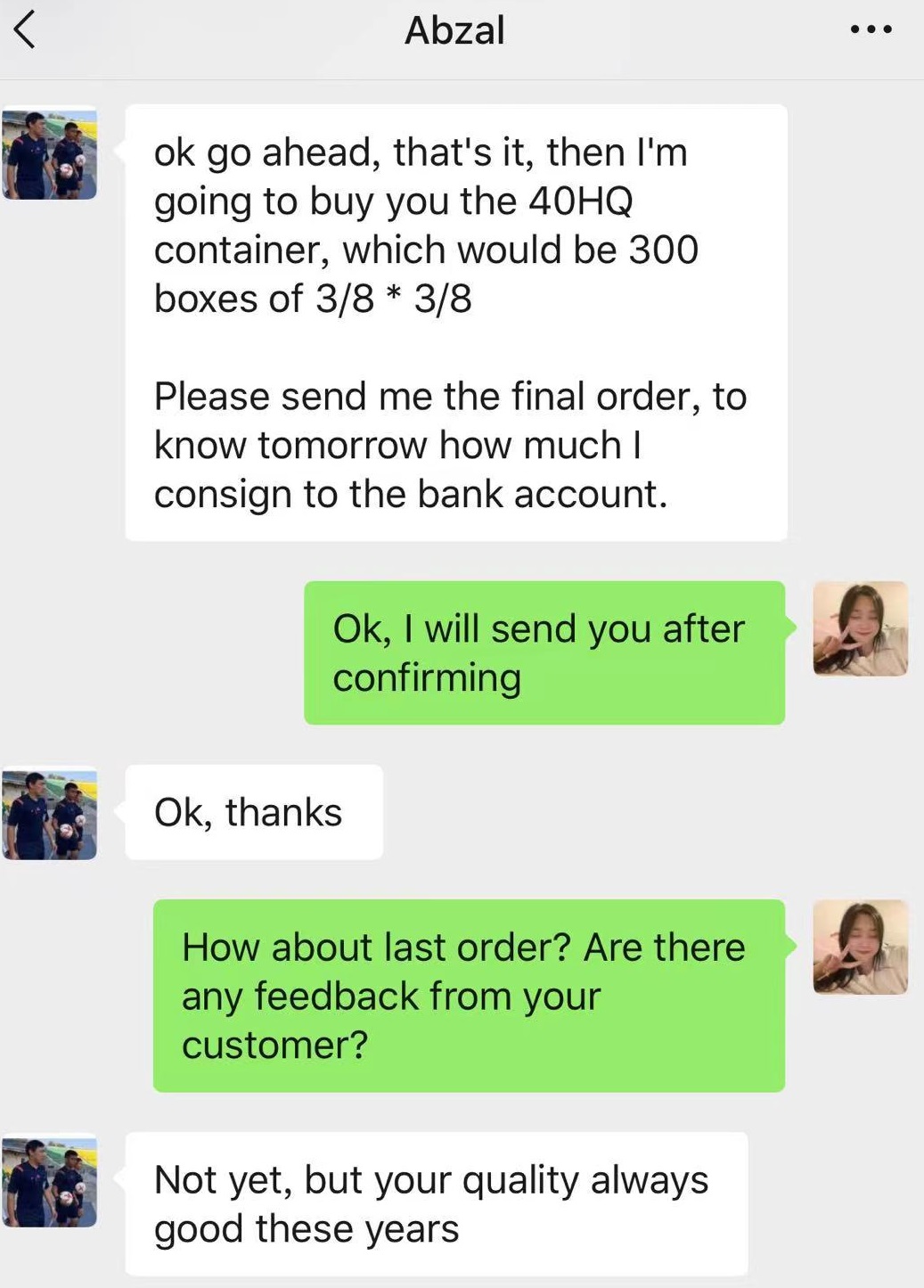
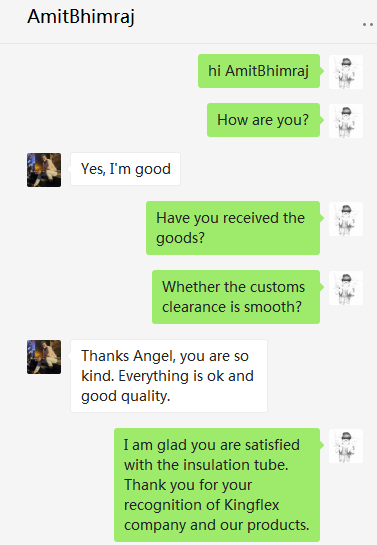
Direct Communication & Client Satisfaction
We establish and maintain close contact with our partners to ensure clear expectations and seamless project delivery.
From freezing rail transits to marine LNG carriers, Kingflex materials adapt to diverse industrial setups.
LNG Terminals
Prevents critical line freezing under high-pressure gas transfers.
Cold Chain Logistics
Maintains cooling efficiency and limits thermal drift.
Petrochemical Pipes
Protects active pipelines against weathering and chemical corrosion.
HVAC & Buildings
Prevents moisture condensation on chilled water pipes.
Professional Installation Guidelines
Proper application is key to the long-term effectiveness of cryogenic insulation systems. When installing Kingflex rubber foam sheets and tubes:
Surface Preparation: Ensure target pipes are dry, dust-free, and degreased to allow optimal contact with adhesives.
Segment Joint Sealing: All seams must be tightly bonded using specialized adhesives. Joints should be offset to prevent thermal bridges.
Expansion Allowances: Leave sufficient material play at standard intervals to accommodate physical pipe movement under temperature swings.
Industry Outlook: Decarbonization & The Cryogenic Expansion
As the global demand for clean energy grows, cryogenic insulation materials play a key role in energy conservation.
The Rise of Clean Energy (LNG & Hydrogen)
To support global carbon reduction goals, industries are transitioning toward natural gas (LNG) and liquefied hydrogen. Transporting these liquids requires storage systems operating at ultra-low boiling points (-162°C for LNG, -253°C for hydrogen). Insulation materials must meet rigorous vapor sealing and thermal conductivity requirements to keep boil-off gas (BOG) rates low.
Kingflex is developing ultra-low temperature elastomeric materials to address these applications, helping companies reduce boil-off losses and optimize industrial thermal efficiency.
Focus on Fire Safety & Non-Toxicity
Modern building regulations mandate strict fire safety standards. Kingflex works to incorporate halogen-free, low-smoke flame retardants into its elastomeric products. This ensures that in the event of fire, materials resist combustion and generate minimal smoke, helping to protect personnel and equipment in enclosed spaces.
Frequently Asked Questions (FAQ)
Clear, technically accurate answers to commonly asked questions from engineers, buyers, and contractors.
What is elastomeric rubber foam insulation used for?
It is primarily used for HVAC ductwork, air conditioning pipes, building thermal insulation, industrial pipeline cold conservation, and sound dampening. Its closed-cell structure makes it effective at preventing condensation in cold systems.
Is Kingflex rubber foam insulation fire resistant?
Yes, Kingflex rubber foam is formulated with flame retardants. It meets BS 476 Part 7 Class 0 and Class 1, along with standard ASTM, UL94, and CE fire codes, making it suitable for high-occupancy commercial and industrial installations.
What is the difference between rubber foam and rock wool insulation?
Rubber foam is flexible, closed-cell, and moisture-resistant, making it well-suited for HVAC, cold distribution lines, and cryogenic applications. Rock wool is open-cell and offers high-temperature limits and sound absorption, but it requires an external vapor barrier to prevent moisture accumulation in cold systems.
Do you provide customized insulation products?
Yes. We support custom manufacturing (OEM). We can accommodate special wall thicknesses, custom inner-diameter sizing, slit-tube structures, and laminations with reinforced aluminum foil or pre-applied self-adhesive backings.
What certifications do your products have?
Our products are tested and certified under BS 476, CE, REACH, RoHS, UL94, and ASTM guidelines. This helps ensure compliance with local building safety regulations in international markets.
Are Kingflex products fully traceable?
Yes. Every order is marked with batch indicators that link back to our processing records. This allows for clear tracking of material batches and quality control metrics.
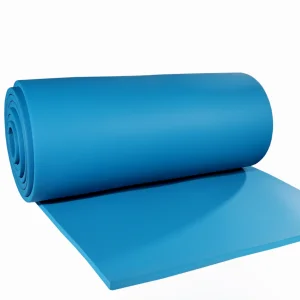
What thickness of rubber foam insulation sheet roll can you produce?
We produce standard rolls and sheets in thicknesses ranging from 6mm to 50mm, allowing for single-layer installations that match specified thermal performance levels.
What is the typical service life of rubber plastic pipes and boards?
When installed according to specifications and shielded from severe UV exposure, our systems have a design life of 10 to 15 years, maintaining stable thermal and physical characteristics.
Global Supply & OEM Product Catalog
Explore our full line of industrial and cryogenic insulation components, manufactured under ISO quality standards.
 Kingflex