Comprehensive Engineering Guide to Thermal Performance, Condensation Control, and Custom Industrial Solutions
Featured Premium Insulation Systems
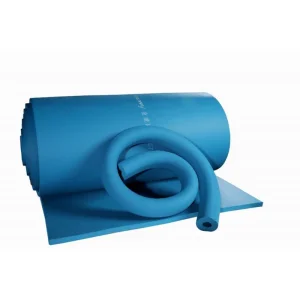
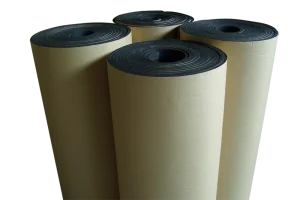
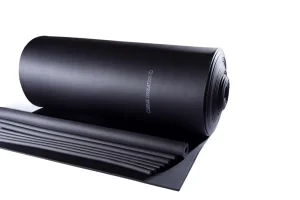
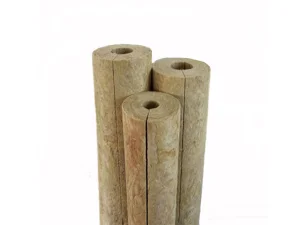
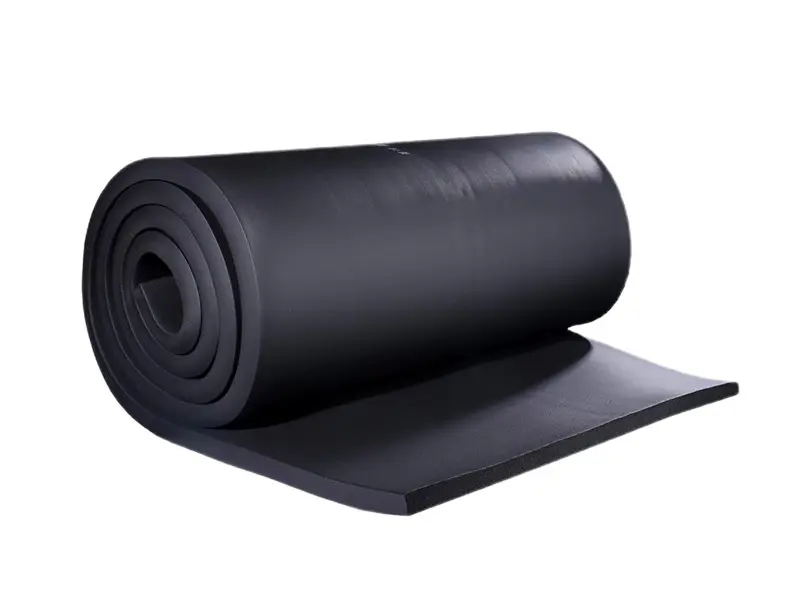
Highly certified closed-cell and fibrous solutions designed to prevent thermal losses and control moisture profiles under extreme industrial conditions.
1. Technical Whitepaper: The Mechanics of Duct Insulation Thickness Calculation
In modern HVAC, cryogenic, and process manufacturing engineering, thermal management is not simply a matter of enclosing pipelines in basic insulation wrappers. The determination of exact insulation thickness represents a highly detailed engineering discipline. Proper duct insulation thickness calculation balances thermodynamic efficiency, energy conservation targets, lifecycle costs, and structural constraints. Under-insulating leads to thermal energy loss, condensation build-up, and systemic mold issues. Conversely, over-insulating escalates capital expenditure with marginal thermodynamic returns.
Thermodynamic calculations require analyzing heat transmission values under transient operational conditions. The primary objective is to maintain outer surface temperature above the atmospheric dew point to prevent condensation on cold systems, or to contain internal thermal energy in hot systems. The heat transfer calculation uses variables such as thermal conductivity (k-value), relative humidity, ambient air flow velocity, internal fluids or air temperatures, and pipe or duct dimensions. Global designers rely on standards such as ASHRAE 90.1, ASTM C680, and BS 5422 to formulate accurate computational structures.
98%+
Closed-Cell Rate
-40℃ ~ 105℃
Service Temperature
600,000 m³+
Annual Capacity
10-15 Yrs
Product Lifespan
2. The Mathematical Foundation: Dew Point & Thermal Conductivity Formulas
Determining insulation thickness begins with calculating the required thermal resistance ($R$-value). To prevent surface condensation, the surface temperature of the outer cladding ($T_s$) must be higher than the local air dew point ($T_{dp}$). The mathematical calculation for outer surface temperature is expressed through steady-state heat balance:
Where $R_{insulation}$ is the thickness ($L$) divided by the material's thermal conductivity ($k$), and $R_{surface}$ is determined by the external convective and radiative heat transfer coefficients. When working with cylindrical geometries (such as pipes and round air ducts), developers must apply log-mean radius variables to compensate for the expanding surface area as insulation layers grow thicker. Selecting a supplier that provides verified thermal conductivity parameters is essential for precision calculations.
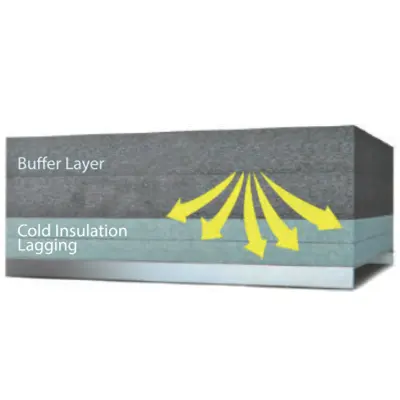
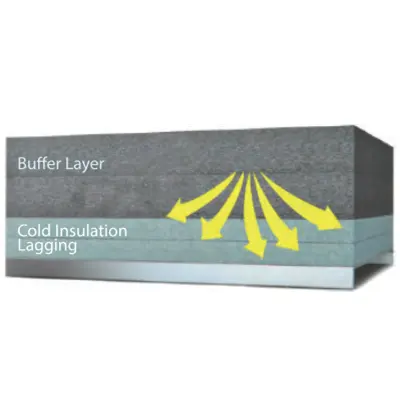
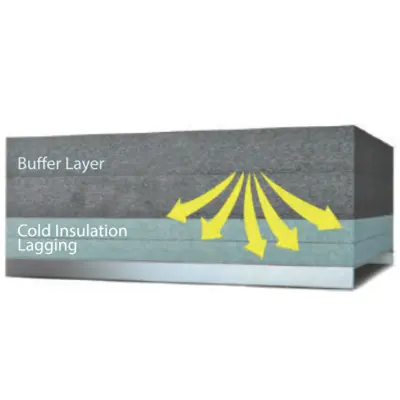
Condensation Mitigation
High relative humidity levels inside service shafts require thicker insulation layers to prevent sweating and structural water damage.
Economic Optimization
Balancing capital procurement costs against long-term energy savings over a standard 15-year operational lifecycle.
3. Global Commercial & Industrial Application Scenarios
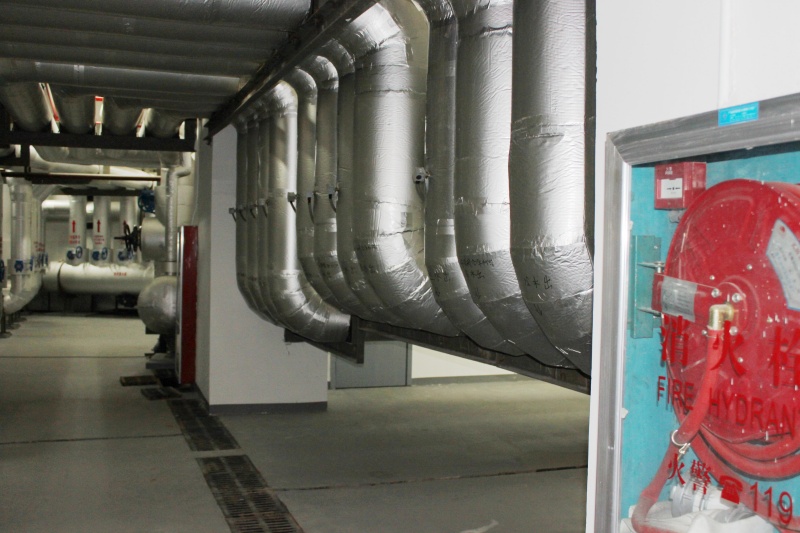
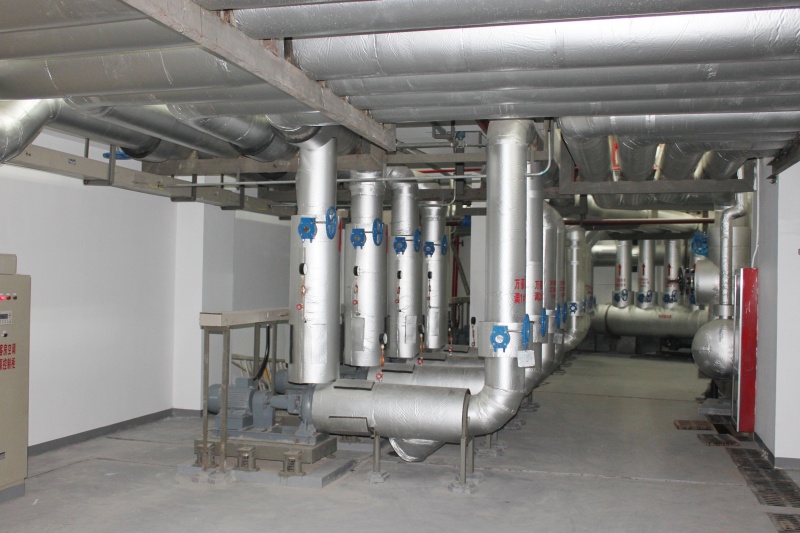
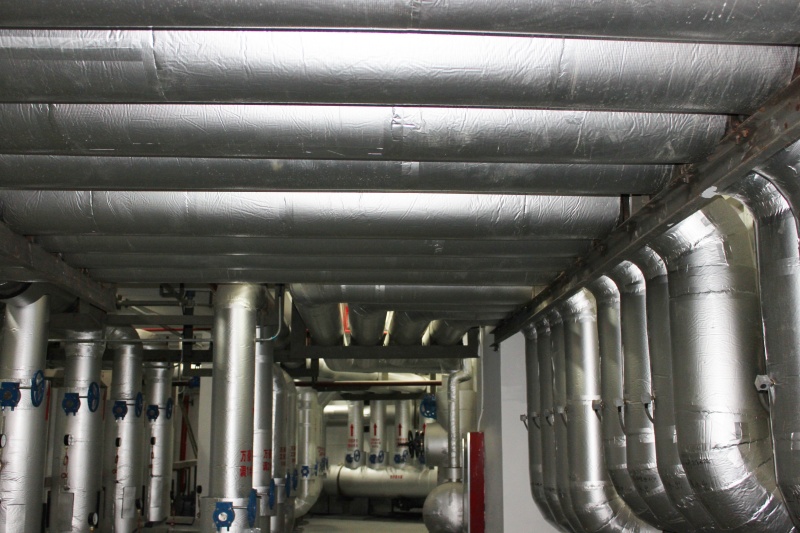
Across commercial and industrial infrastructure, duct insulation is configured based on localized operating parameters. Our materials support a variety of systems:
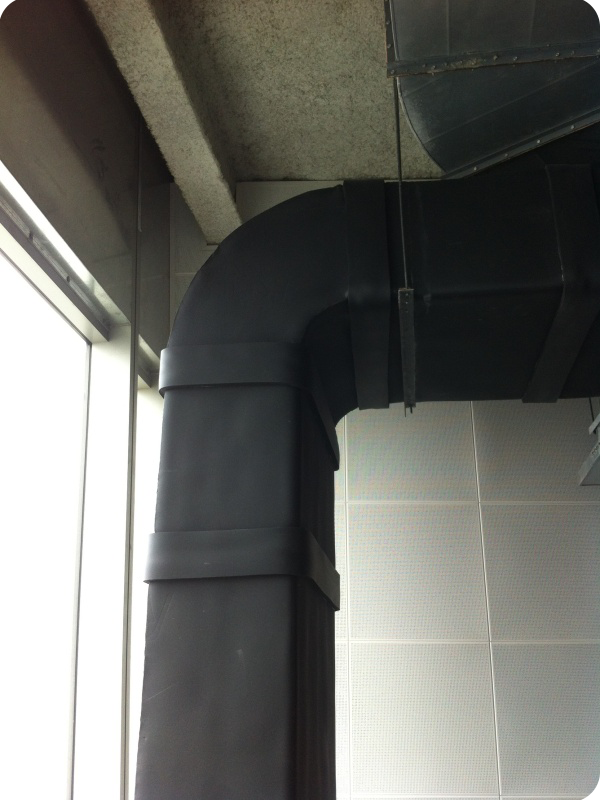
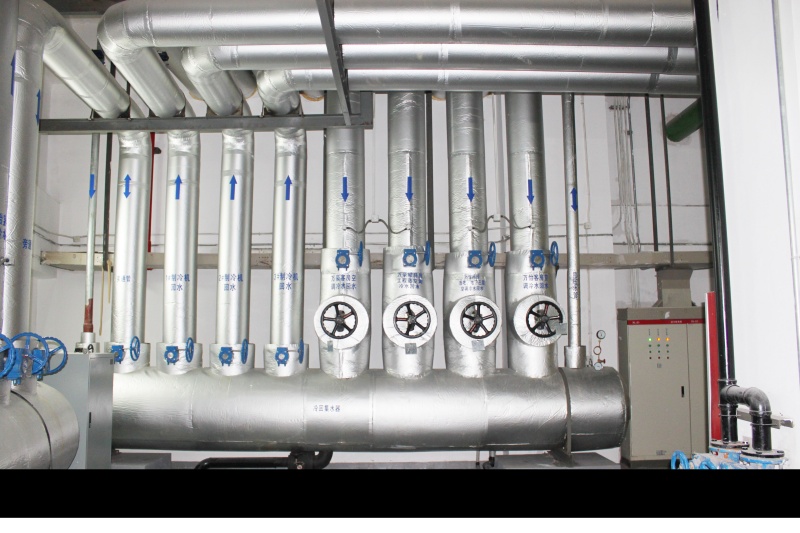
HVAC & Building Mechanical Systems: Mitigates thermal gain in supply and return air ducting networks, reducing energy consumption in green-certified projects.
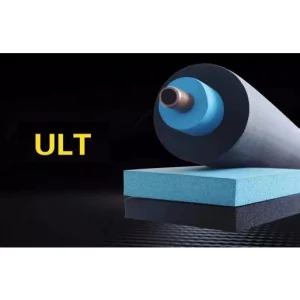
Industrial Cryogenic Processing & LNG Storage: Prevents boil-off gas occurrences in liquefied gases at extreme sub-zero conditions, using dedicated NBR/PVC elastomeric formulations.
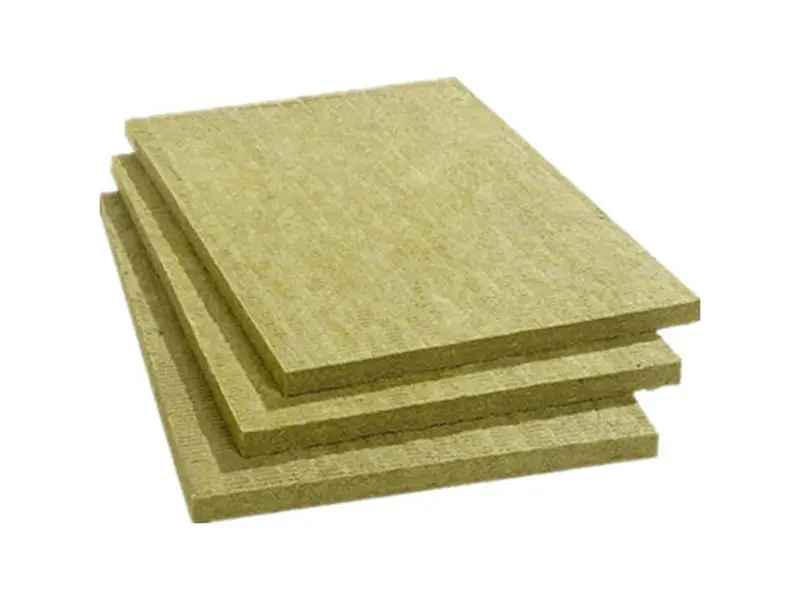
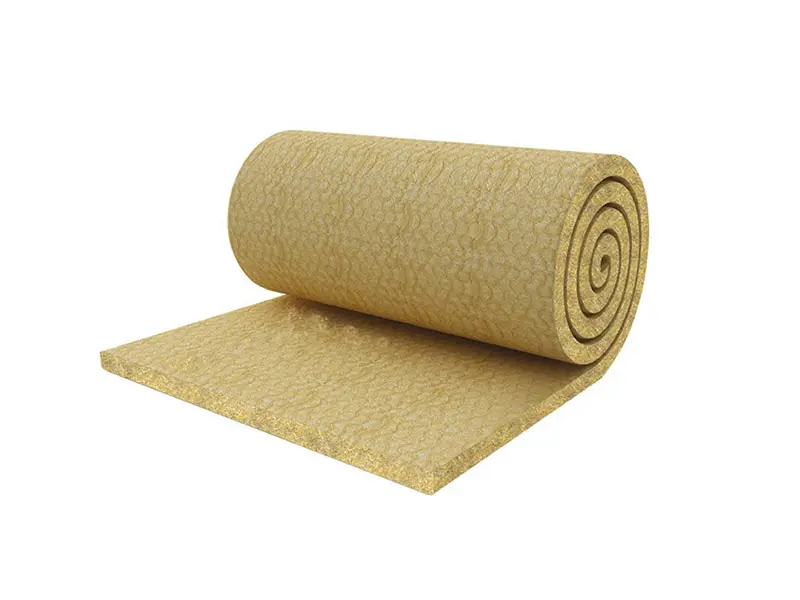
High-Temperature Steam Piping: Relies on rock wool insulation elements to maintain process heat and provide fire protection.
Deep Cleanrooms & Medical Labs: Restricts microbial propagation and fibers shedding using vapor-sealed closed-cell surfaces.
4. Manufacturing Excellence at Kingflex Insulation Co., Ltd.
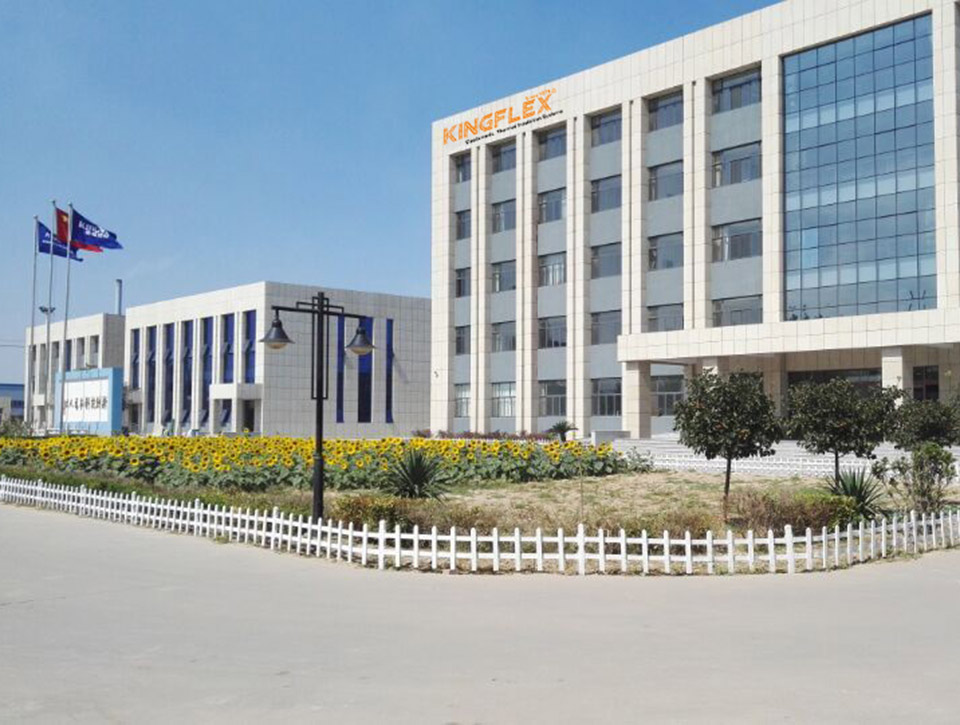
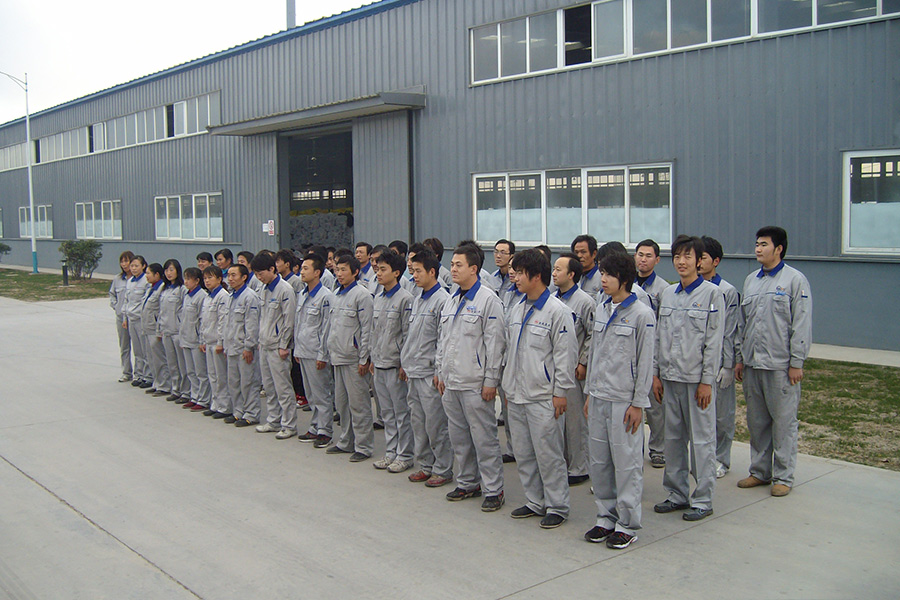
Kingflex Insulation Co., Ltd. is a leading manufacturer and trader specializing in thermal insulation systems. Located in Dacheng, China—a hub for energy-saving, green building materials—Kingflex integrates R&D, advanced manufacturing, and comprehensive global customer service. Guided by energy efficiency and resource conservation, Kingflex develops insulation solutions from initial calculation phases to on-site implementation.
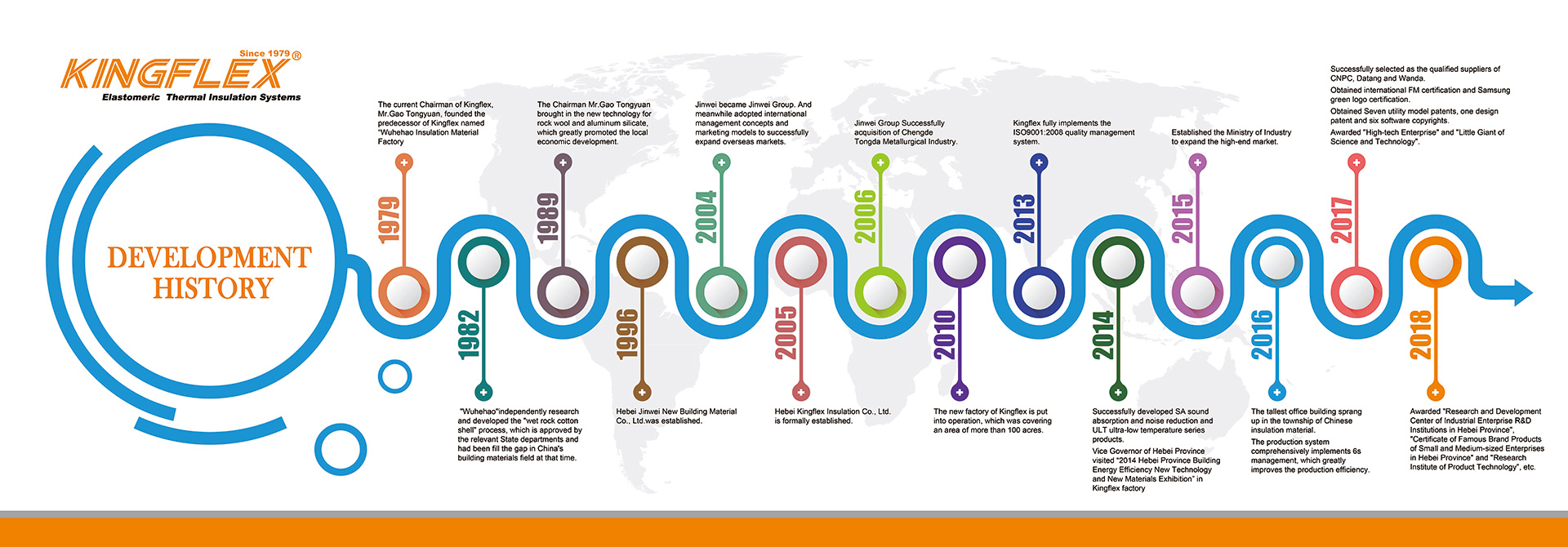
Established by the Jinwei Group (founded in 1979 as a pioneer of industrial thermal insulation materials north of the Yangtze River), Kingflex leverages over 40 years of technical expertise. Today, Kingflex operates five large-scale automated manufacturing lines with an annual capacity exceeding 600,000 cubic meters. It is a certified manufacturing partner for major national agencies, including China's Ministry of Energy, Ministry of Electric Power, and Ministry of Chemical Industry.
5. Rigorous R&D, Certified Performance & Professional Expertise
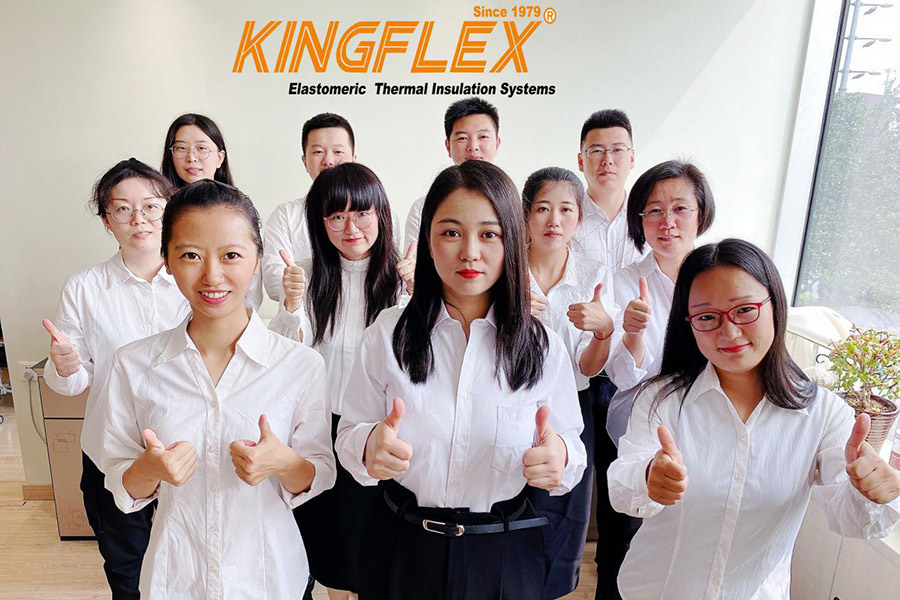
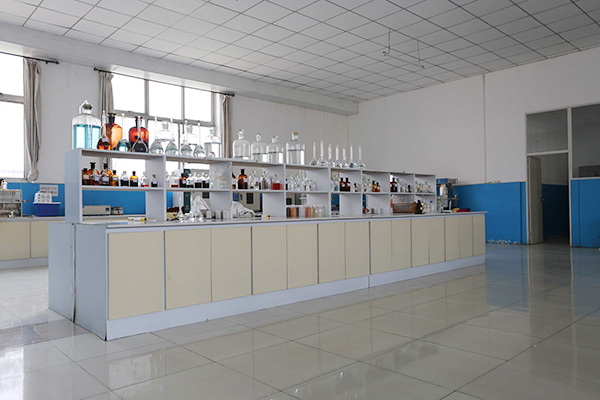
Technical precision is at the center of the insulation manufacturing process. The Kingflex R&D team includes 8 professional engineers, supported by 6 international sales consultants and 230 manufacturing specialists. This team ensures that all insulation batches deliver stable thermal performance across their service life.
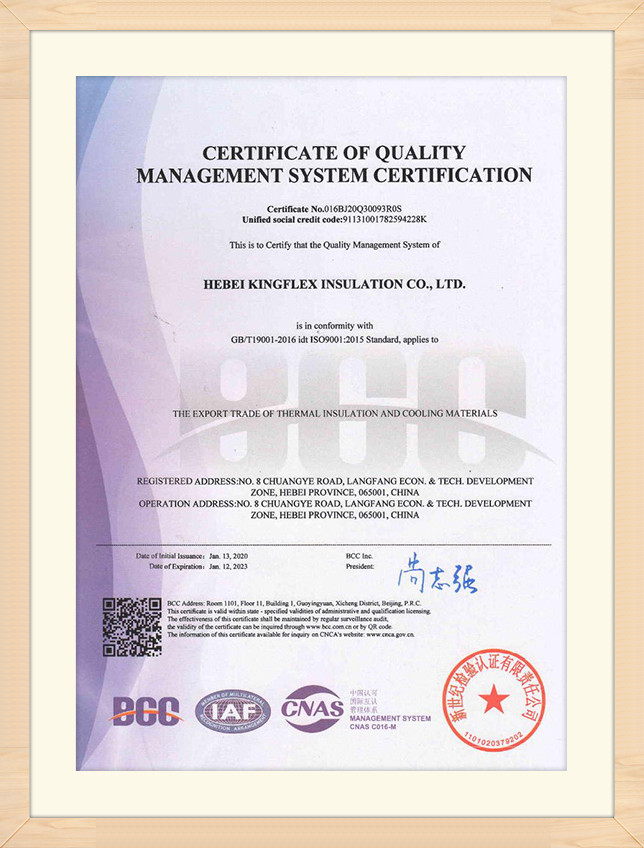
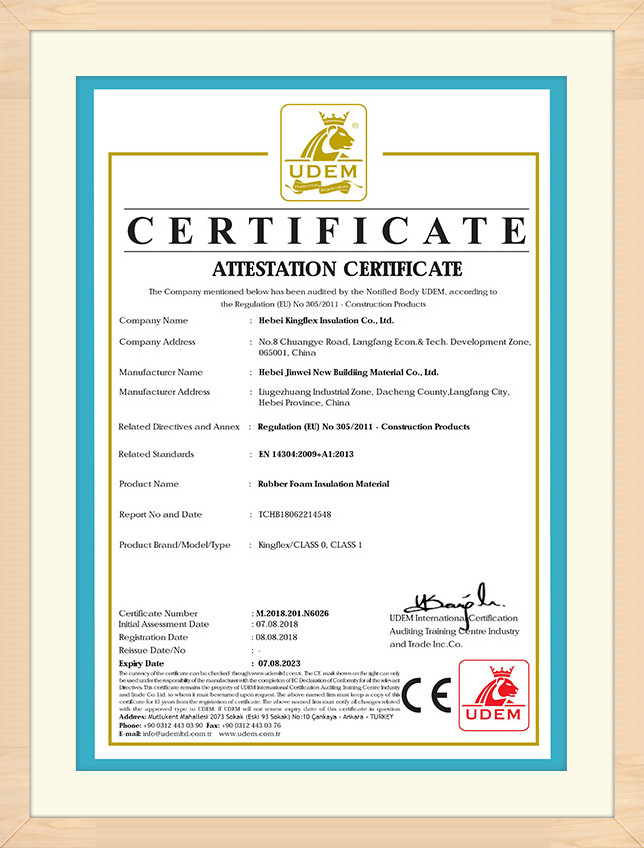
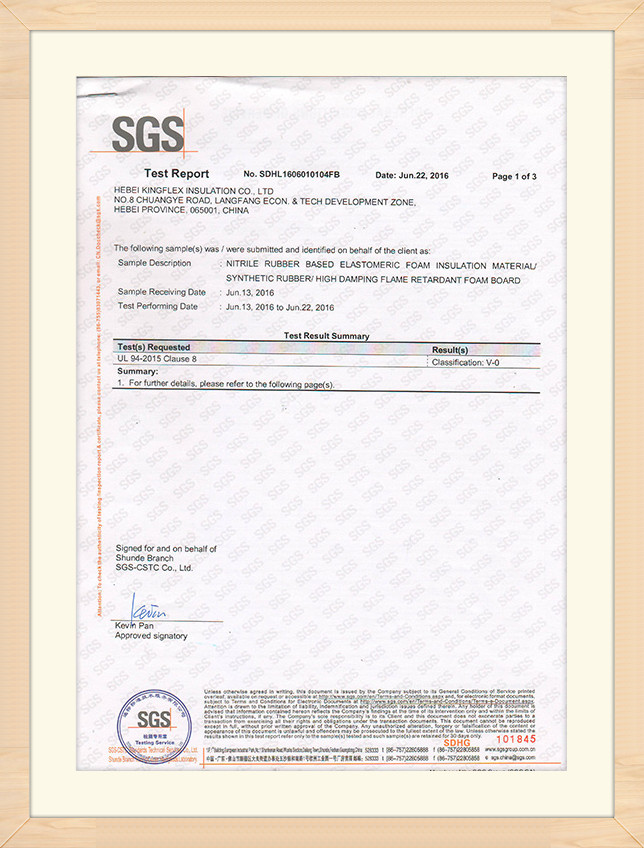
Kingflex products undergo testing and certification to comply with global safety and environmental requirements. Materials carry certifications including BS 476, CE, REACH, ROHS, UL94, and ASTM, ensuring compatibility with international building codes and fire safety regulations.
6. Technical Product Data & Standard Dimensions
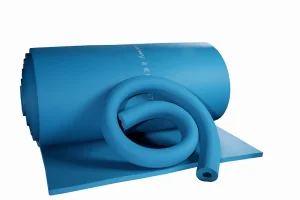
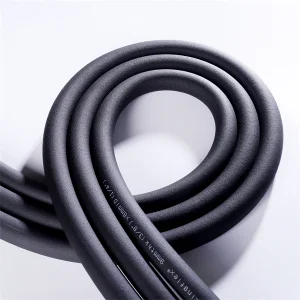
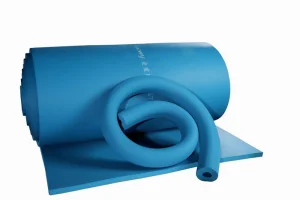
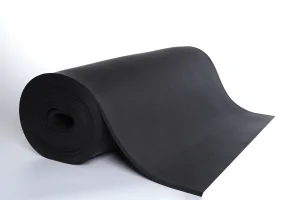
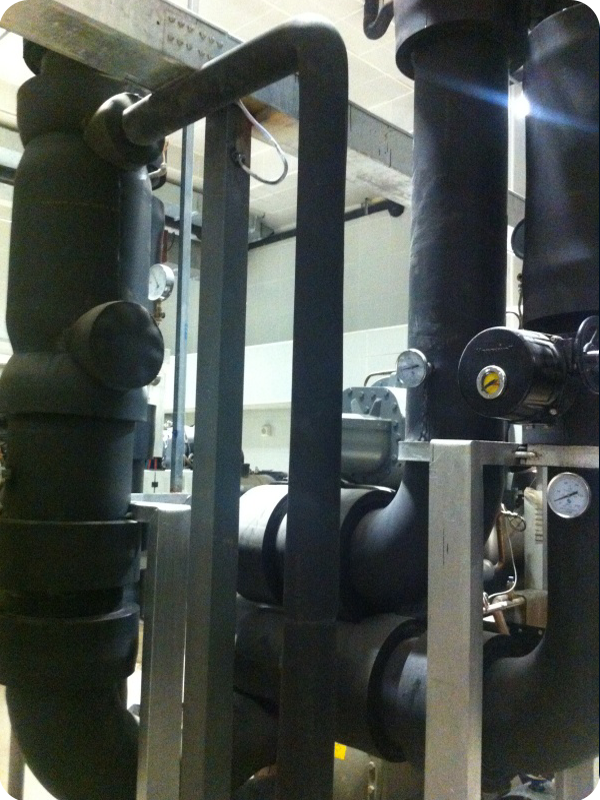
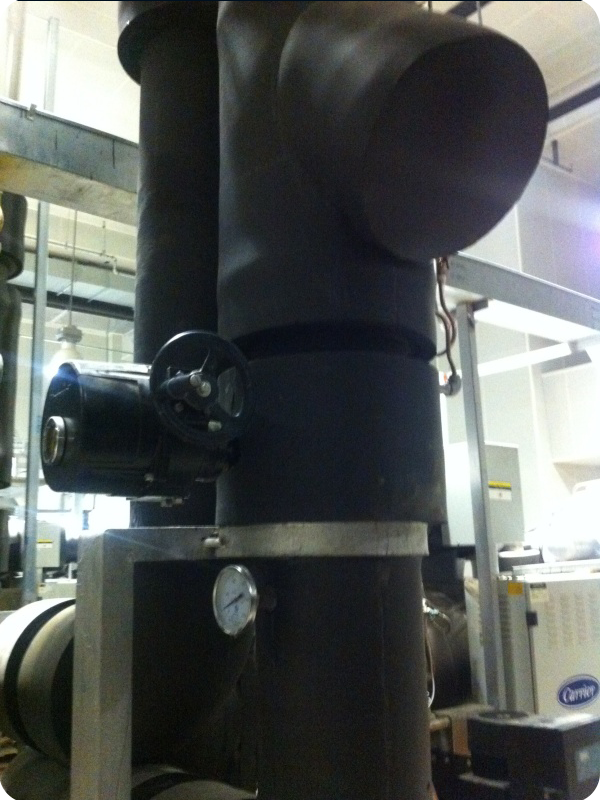
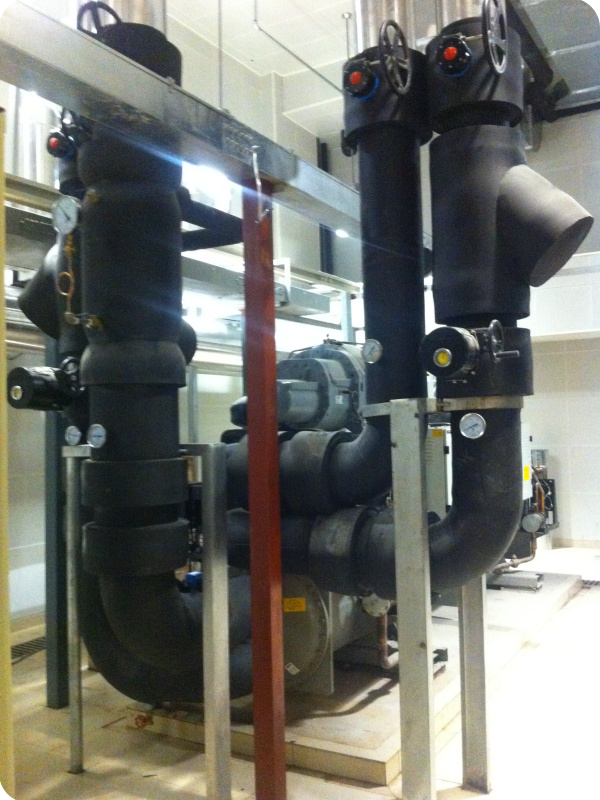
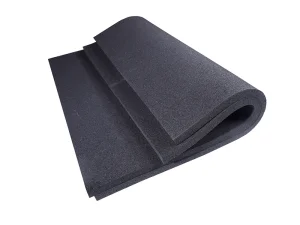
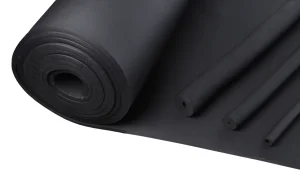
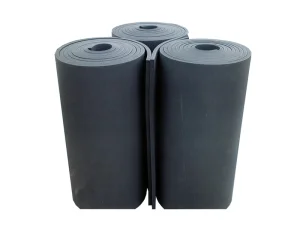
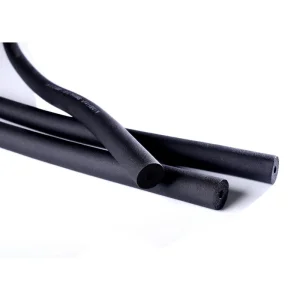
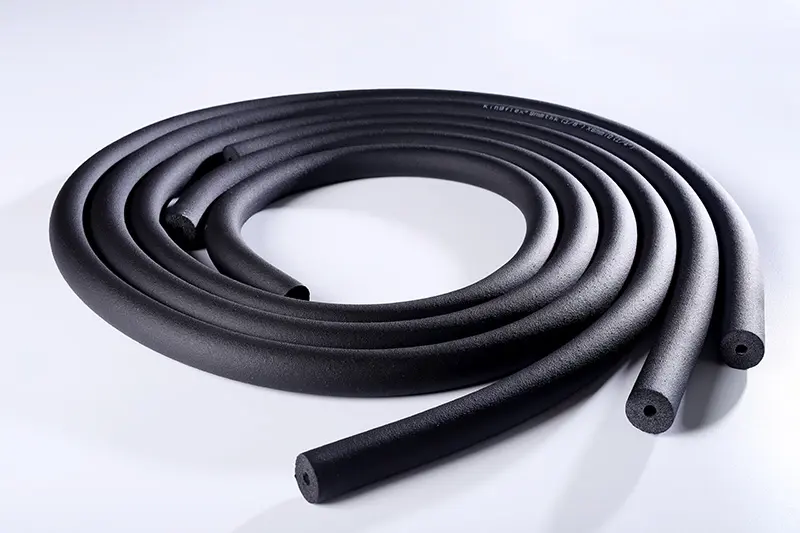
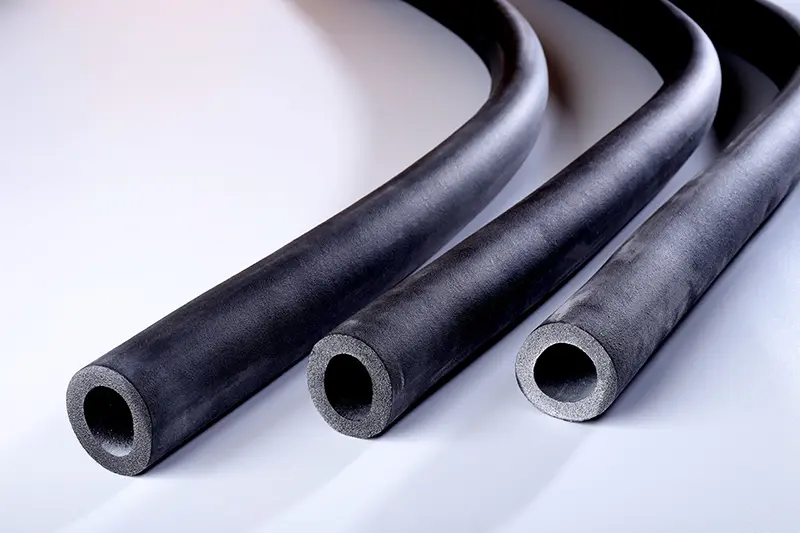
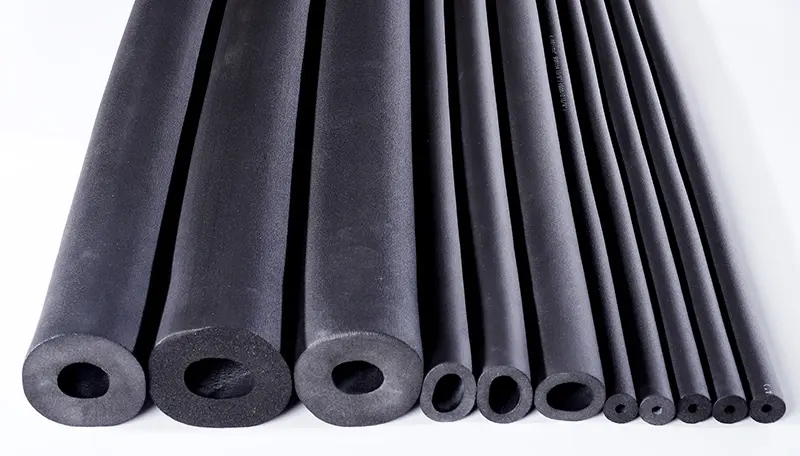
Selecting the correct material dimension is crucial for meeting target thermal values. Kingflex offers standardized elastomeric closed-cell insulation materials in sheet rolls and pre-formed pipe styles.
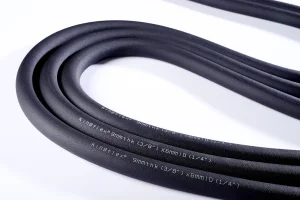
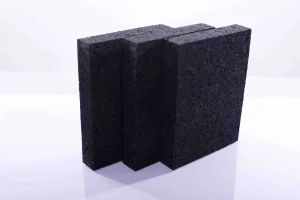
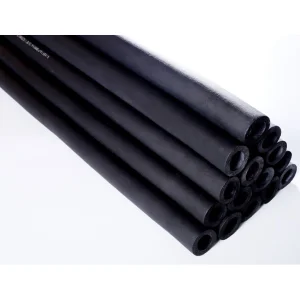
Black Rubber Foam Insulation Sheet Roll
MaterialNBR/PVC Elastomeric Foam
Thickness6mm - 50mm
Density40 - 55 kg/m³
Operating Temp-40℃ to 105℃
Closed-Cell Rate> 98%
Resilience Value> 80% Compression Recovery
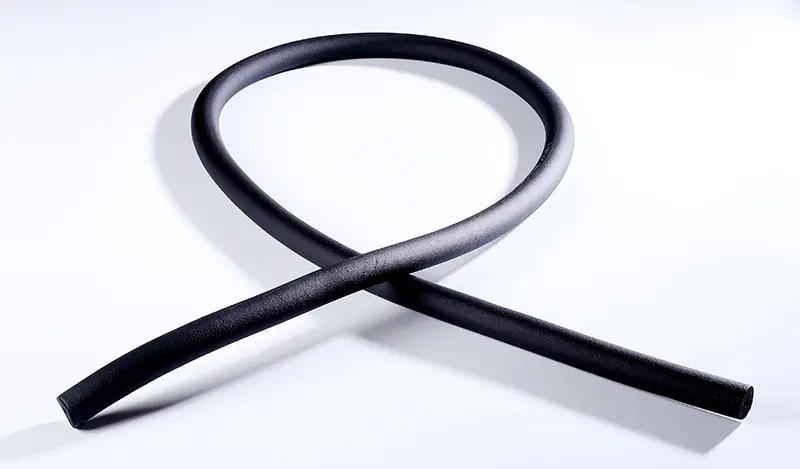
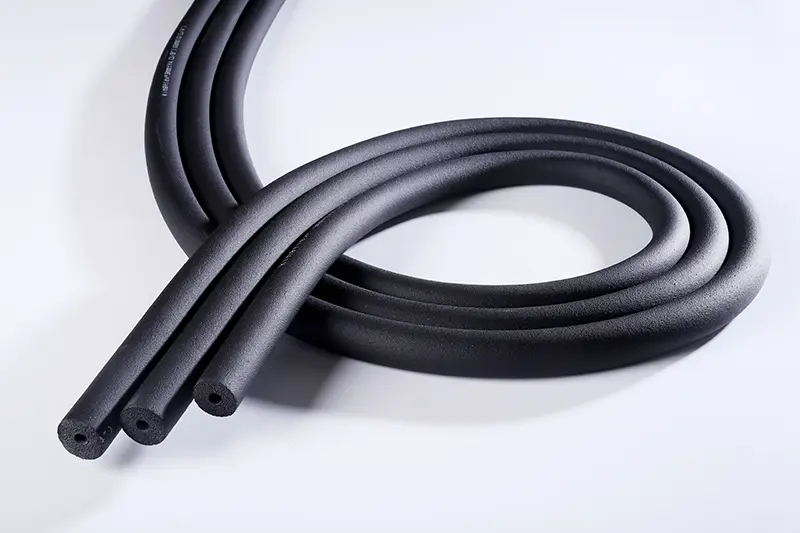
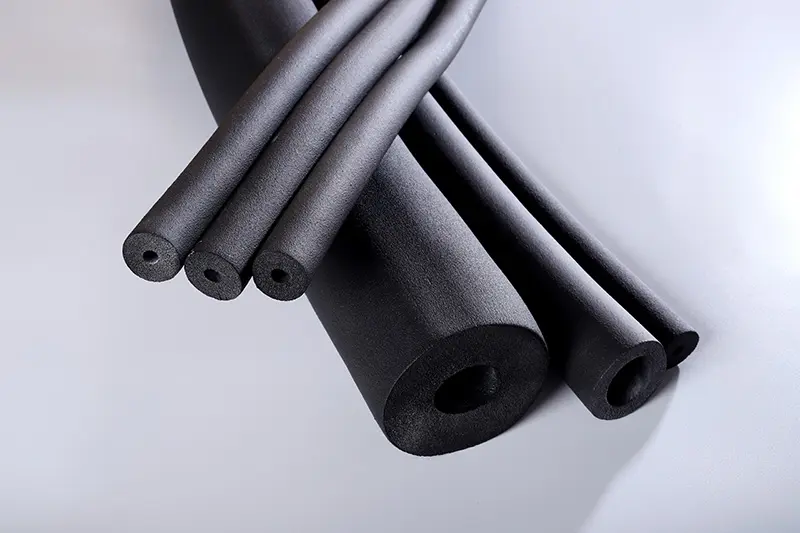
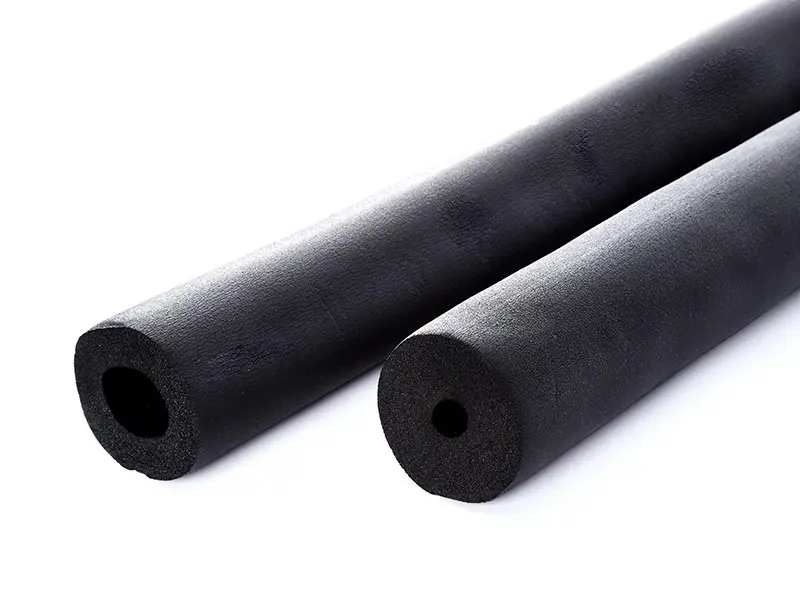
Black Rubber Foam Insulation Pipe
MaterialNBR/PVC Blend
Thickness9mm - 40mm
Inner Diameter (ID)6mm - 114mm
Density40 - 55 kg/m³
Temp Limit-40℃ to 105℃
Coating FinishEvenly Sprayed Layer
7. Industrial Project Footprint & Global Trust
Over the past 16 years, Kingflex thermal insulation solutions have been exported to more than 66 countries. These materials are utilized in infrastructure, commercial developments, petrochemical sites, and specialized cryogenic processing plants globally.
Customer Satisfaction & Quality Verification
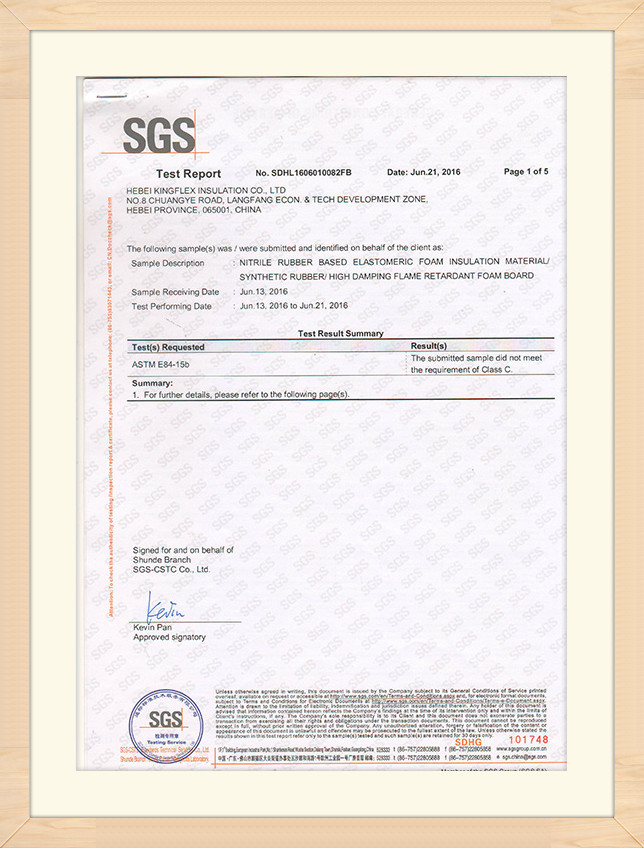
We maintain transparent client communications and quality standards. Below are verified records of operational feedback and testing confirmations from our industrial clients:
8. Comprehensive Technical Q&A (FAQ)
Q1: What is elastomeric rubber foam insulation used for?
A1: It is primarily used for HVAC ducts, air conditioning piping networks, commercial building thermal insulation, industrial pipeline cold insulation, and acoustic sound insulation in high-density environments.
Q2: Is Kingflex rubber foam insulation fire resistant?
A2: Yes, our elastomeric rubber foam insulation is formulated with flame retardants, allowing it to meet international fire standards (e.g., BS 476 Class 0/1, UL94) for building and industrial safety.
Q3: What is the difference between rubber foam and rock wool insulation?
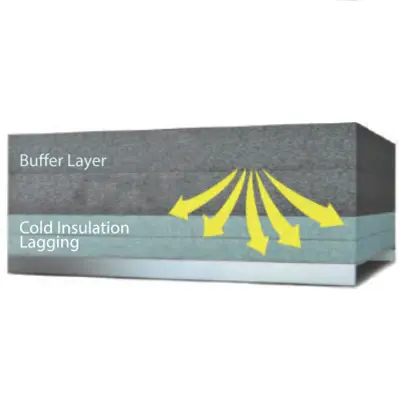
A3: Rubber foam features a flexible, closed-cell structure that provides water vapor resistance, making it suitable for HVAC, chilled water systems, and refrigeration. Rock wool is a fibrous material with high temperature resistance, suitable for high-temperature steam lines and specialized fire barriers.
Q4: Do you provide customized insulation products?
A4: Yes, we provide OEM and customized manufacturing services. We can customize density, wall thickness, dimensions, self-adhesive backings, and external cladding layers to meet specific project specifications.
Q5: What certifications do your products have?
A5: Our products are certified under BS 476, CE, REACH, ROHS, UL94, and ASTM. This ensures compliance with standard building safety, environmental, and thermal performance regulations worldwide.
Q6: Does Kingflex products have traceability?
A6: Yes, all Kingflex products have batch traceability. We record production parameters, raw material batches, and testing metrics for quality control and verification.
Q7: What thickness of Rubber foam insulation sheet roll can you produce?
A7: We manufacture sheet rolls in thicknesses ranging from 6mm up to 50mm, enabling designers to achieve target thermal insulation levels.
Q8: What is the expected service life of rubber plastic pipe and board?
A8: When installed according to manufacturer specifications in standard operating conditions, the expected operational life is 10 to 15 years.
Complete Product Line & High-Performance Materials
Explore our range of elastomeric NBR/PVC foams, rock wool, and cryogenic thermal insulation systems.
 Kingflex