Wholesale Rockwool Insulation Sound Absorption Supplier & Suppliers

High-Performance Acoustic Mitigation, Thermal Barrier Systems, and Sustainable Mineral Wool Engineering for Global Industrial & Construction Architectures.

Acoustic Physics & Insulation Materials

Why Rockwool Dominates Noise Control Systems

In modern industrial design, controlling environmental noise pollution is paramount. Sound waves traveling through buildings and mechanical assemblies present a multi-frequency challenge. While closed-cell structures like elastomeric rubber foam excel in preventing moisture ingress and managing condensation on HVAC systems, high-density fibrous materials like Rockwool (mineral wool) act as the ultimate acoustic sponge.

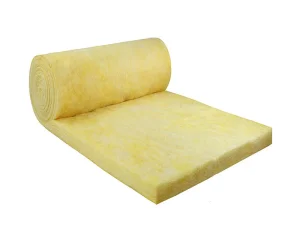
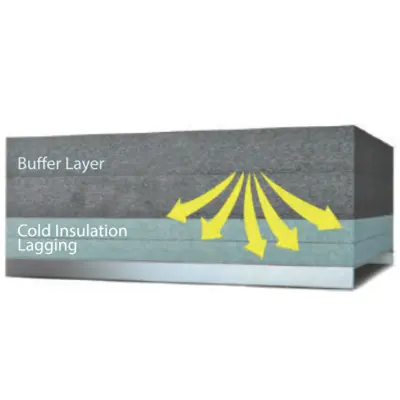
Rockwool features an open, intertwined fibrous structure derived from molten basalt rock. When sound waves impact the fiber surface, they penetrate deep into the porous network. The physical friction between the moving air molecules and the microscopic rock fibers converts kinetic energy into negligible thermal energy. This unique behavior results in an extremely high Noise Reduction Coefficient (NRC), often exceeding 0.90 to 1.00 for target frequency spectrums.

High Density Mineral Fiber Sound Absorption (NRC > 0.90) A1 Non-Combustible Thermal Resistance
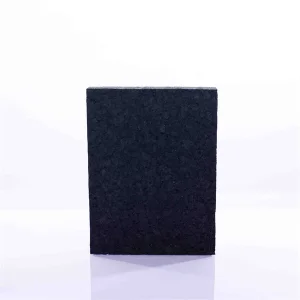
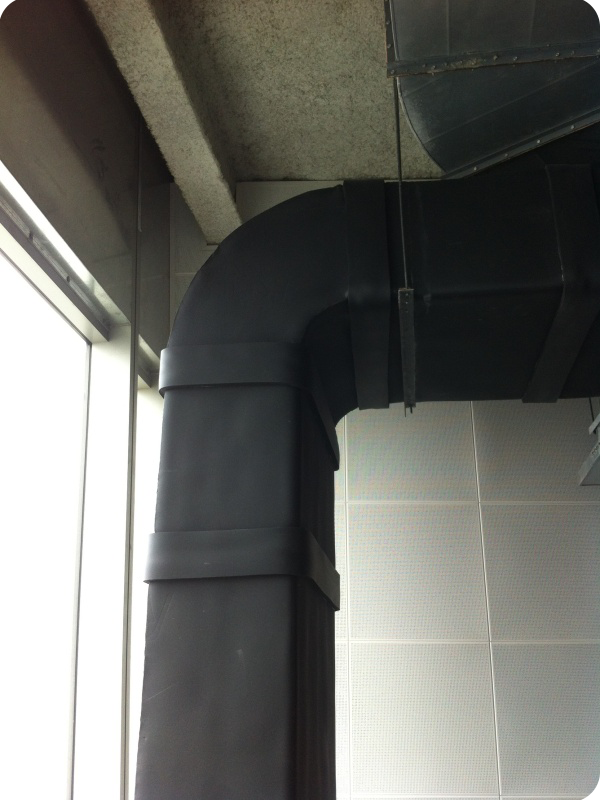
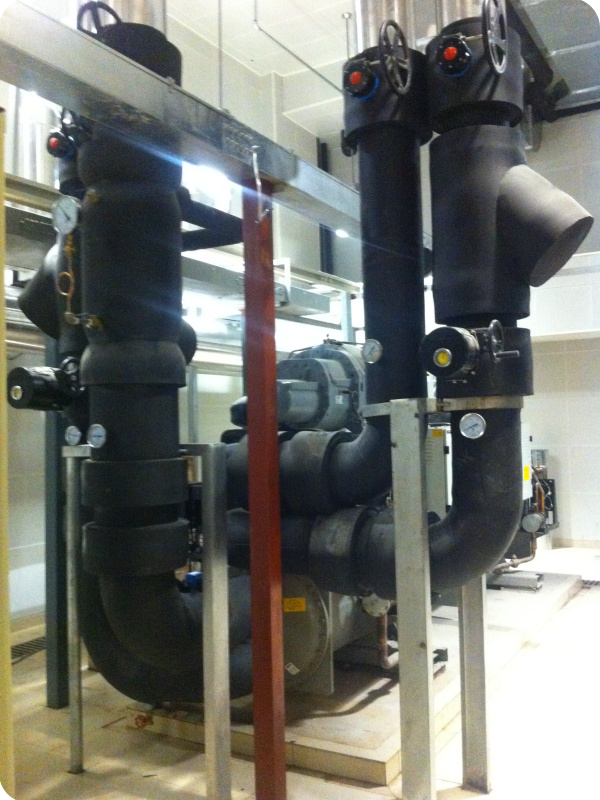
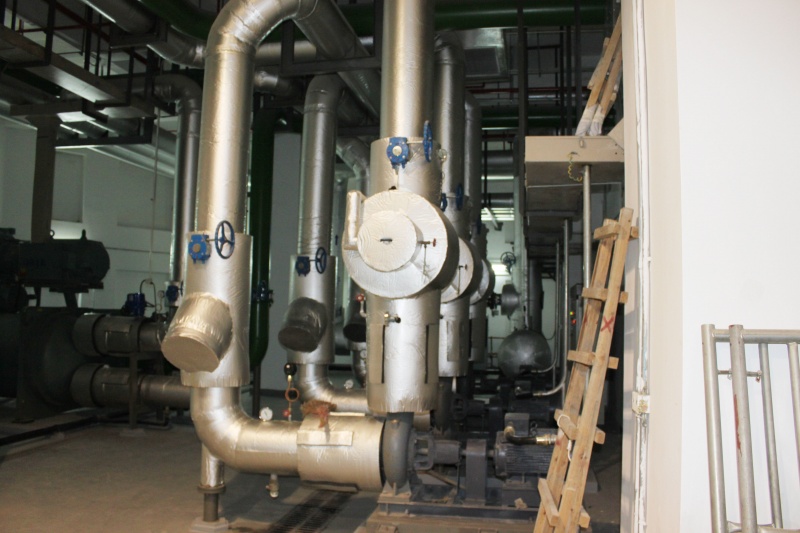
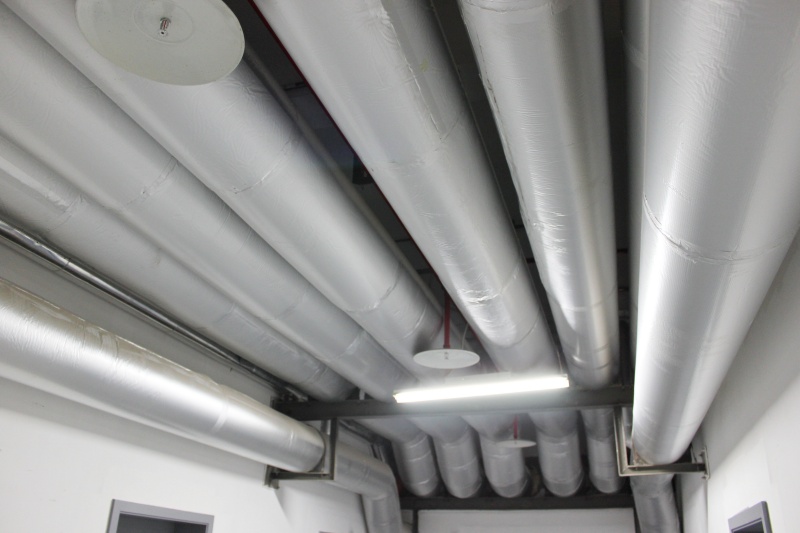
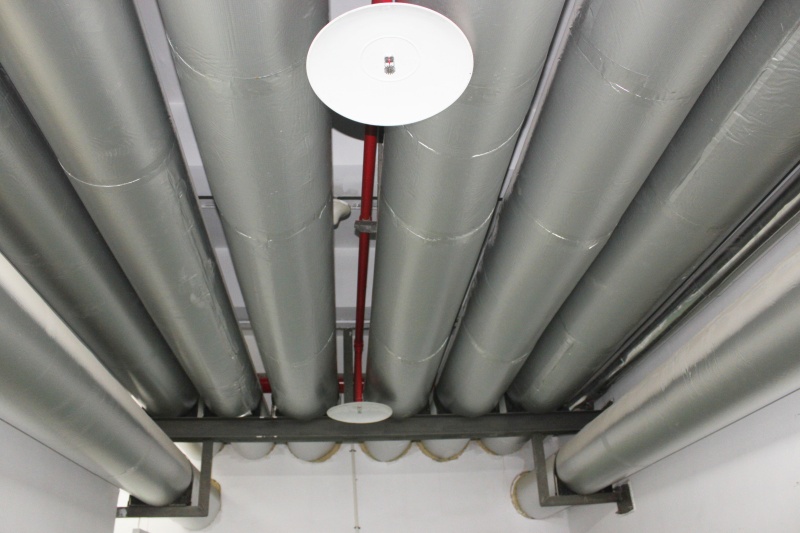
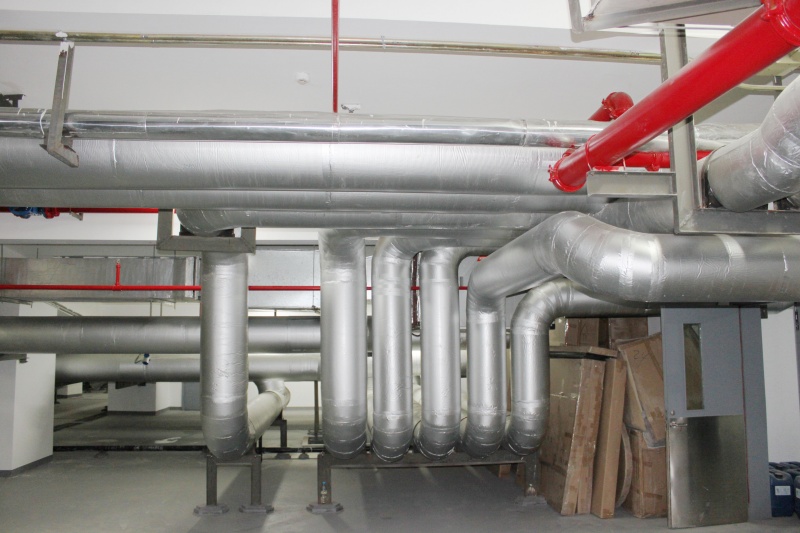
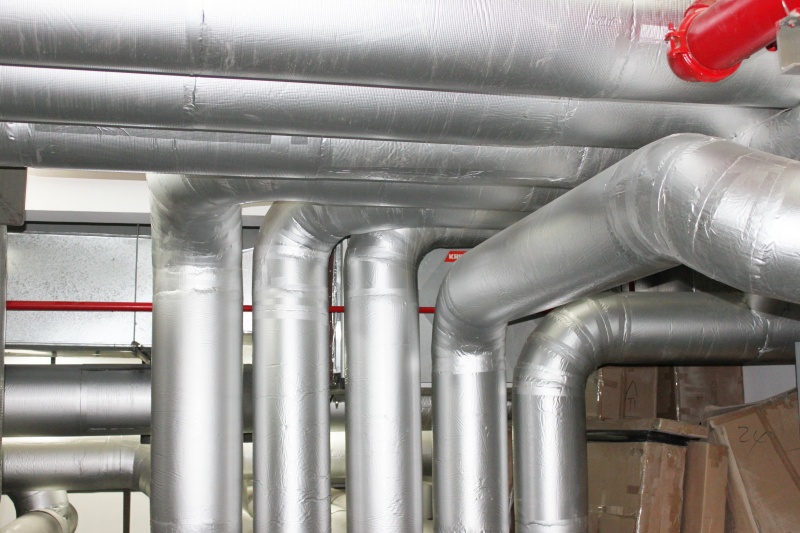
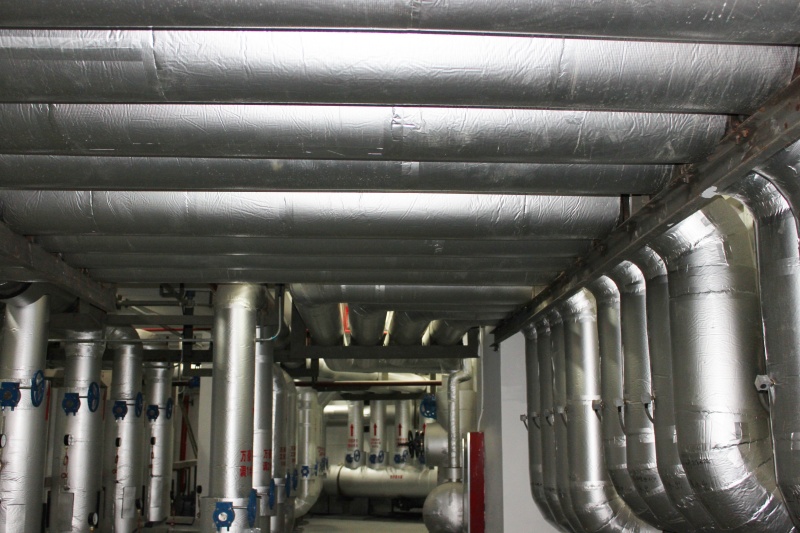
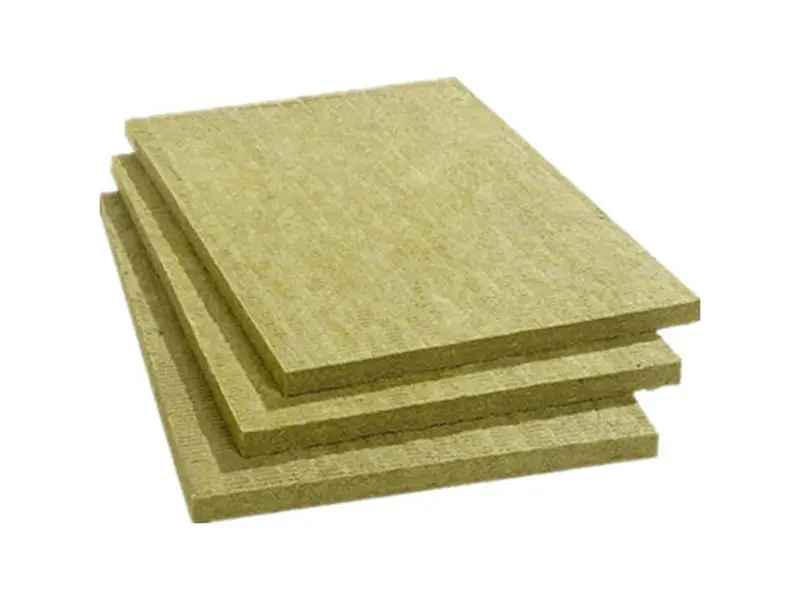
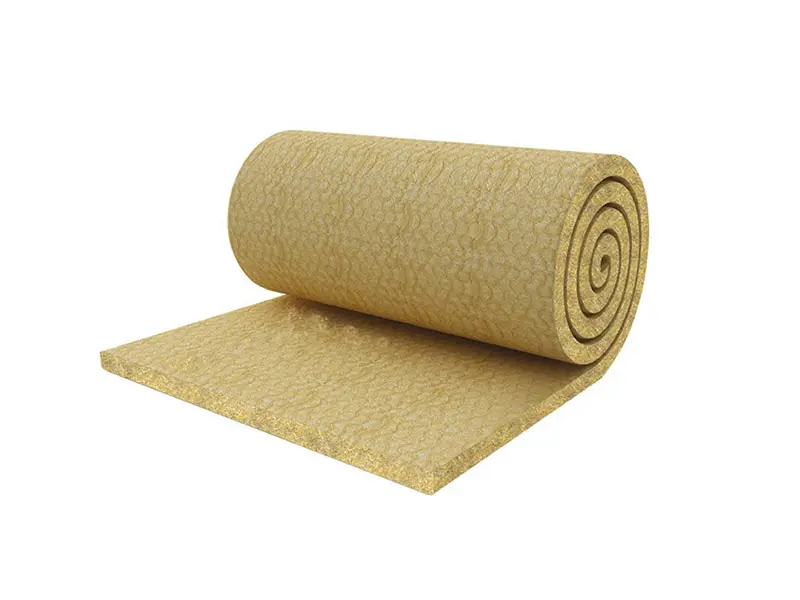
Acoustic Rockwool Insulation Structural Details

Global Industrial Procurement Dynamics

How international standards, green building codes, and safety compliance direct large-scale procurement strategies.

Severe Fire Safety Protocols

Global architectural standards demand high fire safety compliance. Rockwool exhibits non-combustible classification (Euroclass A1), retaining structural strength at temperatures exceeding 1000°C. This makes it crucial for escape routes and high-rise developments.

Total Cost of Ownership

EPC contractors look beyond initial procurement costs. Durable sound absorption materials must resist structural sagging, water absorption, and fungal growth to minimize maintenance cycles over a building's 50+ year operational lifespan.

Green Building Regulations

Under systems like LEED and BREEAM, insulation materials must display low VOC emission rates and feature high circular economy elements. Modern mineral wool products rely on highly recyclable materials to optimize carbon footprint limits.

China Factory 4.0: Supply Chain Resilience & Scale

Leveraging automated production networks and strategic locations to provide stable material outputs for high-volume international demands.

The Dacheng Production Hub Advantage

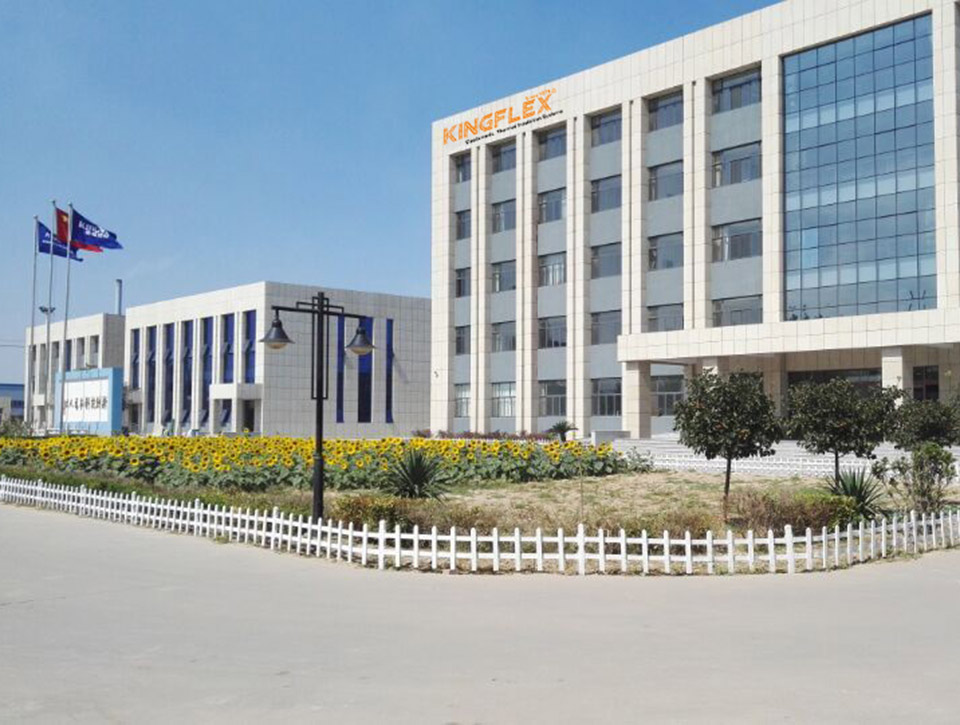
Our operations are based in Dacheng, China—a premier manufacturing capital for energy-saving, green-building materials. By deploying advanced automated assembly systems, we maintain stable production capacities while minimizing environmental impact.

This automated integration enables continuous fiber extrusion, precision curing, and uniform density distribution across both Rockwool boards and elastomeric foam rolls. This configuration optimizes materials, keeps tolerances low, and mitigates risks related to raw material price fluctuations.

600K+
Annual m³ Capacity
5
Auto Assembly Lines
40+
Years History
66+
Export Countries
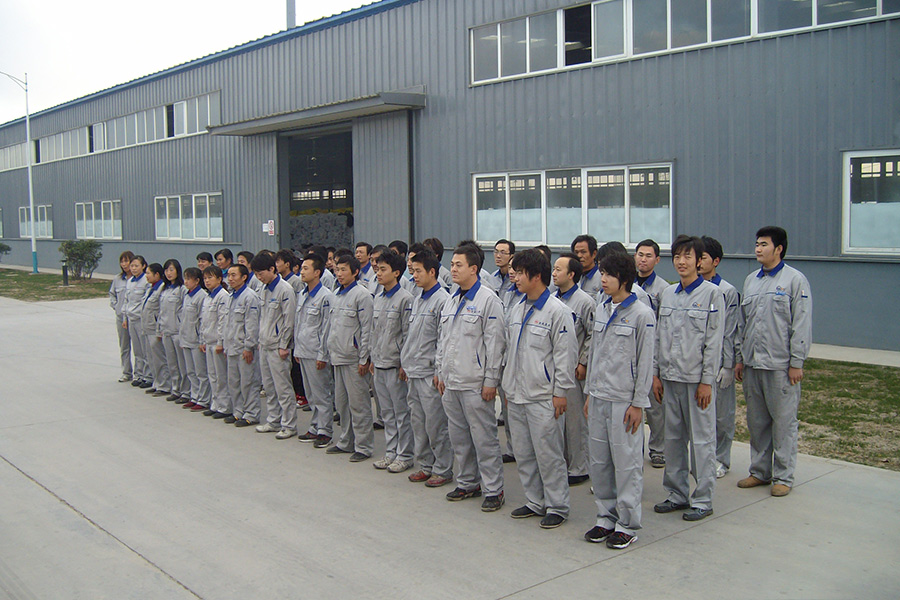
Dacheng Factory Production Line Overview
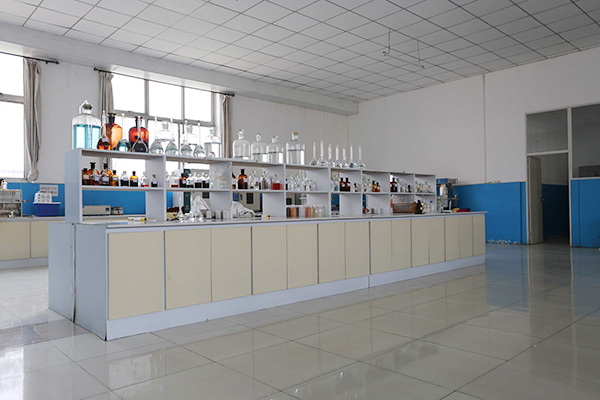
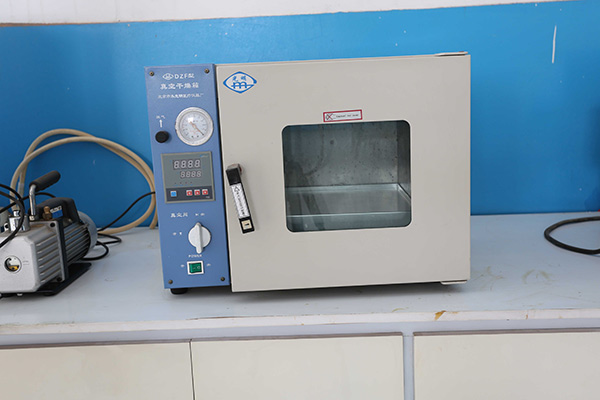
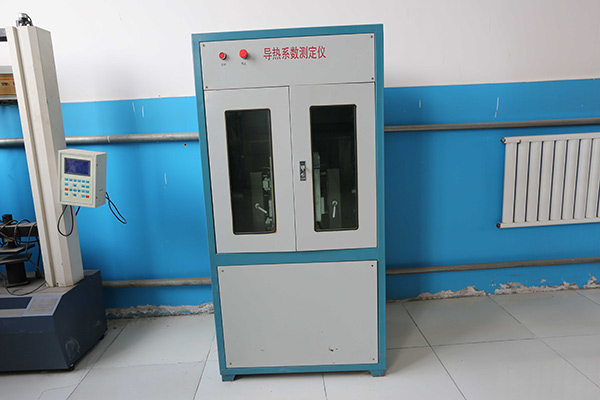
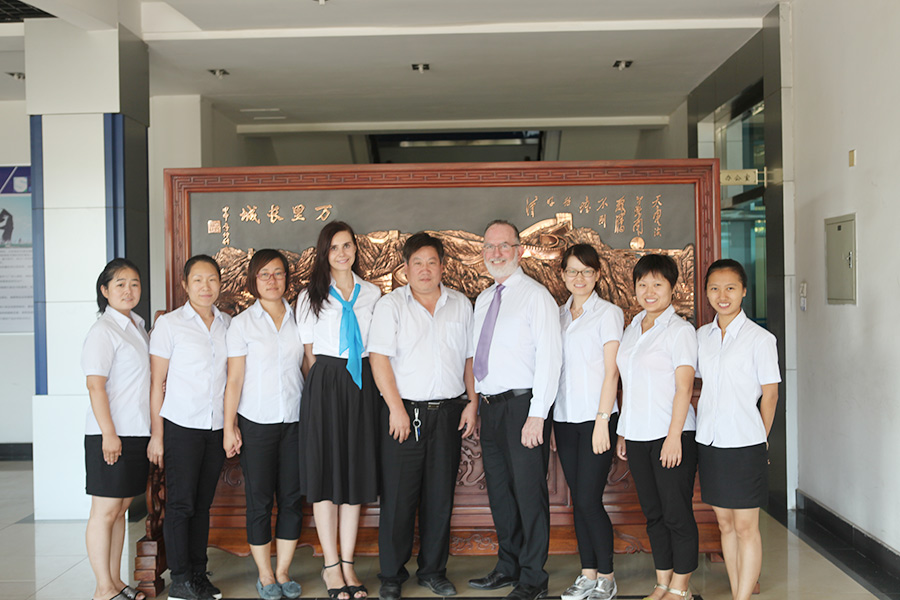
Kingflex R&D and QA Team Testing Equipment
Corporate Lineage

Built Upon Decades of Technical Excellence

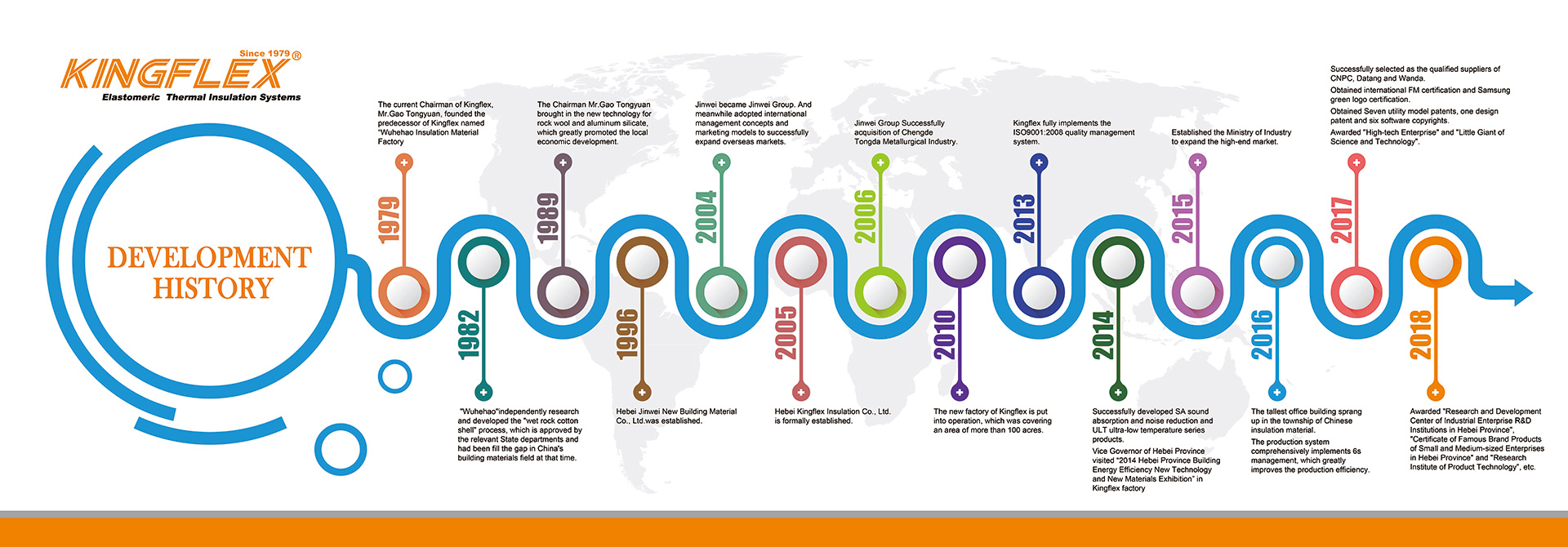
Kingflex Insulation Co., Ltd. operates as a leading manufacturing and trading combo, focusing on high-performance thermal and acoustic insulation products. Our lineage traces back to the Jinwei Group, established in 1979, which was the first thermal insulation manufacturer north of the Yangtze River. Over the last 40 years, we have evolved to provide energy-saving products to global building industries.

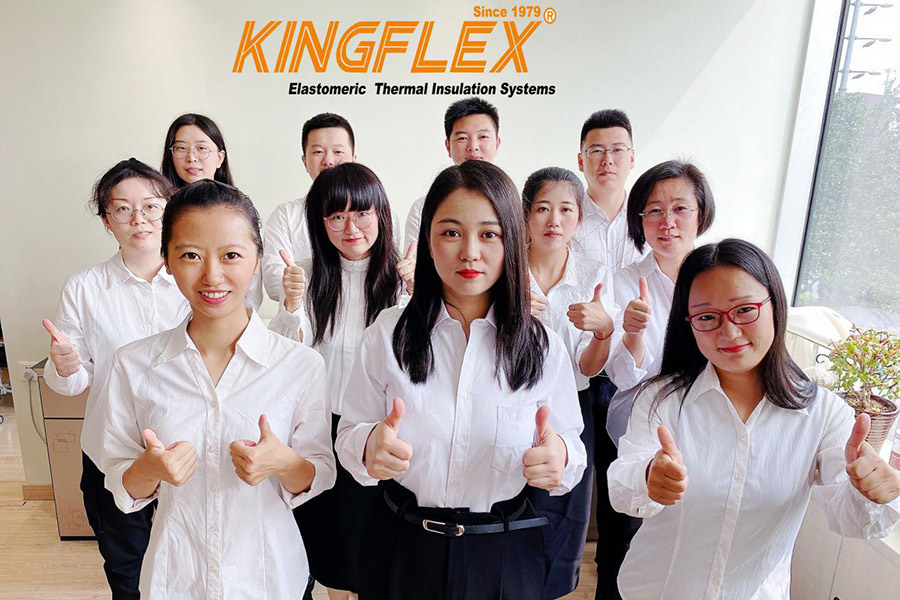
Currently, our facility employs eight dedicated research and development engineers, six international sales specialists, and over 230 skilled production professionals. This team helps bridge the gap between initial thermal and acoustic consulting, customized product formulation, and on-site integration support.
Acoustic & Thermal Insulation Specifications

A data-backed comparison between open-cell rockwool fibers and elastomeric rubber foam sheets.

Performance Property Rockwool Insulation Board Elastomeric NBR/PVC Foam
Primary Application High-temp thermal protection, acoustic partition cavity fill, wall assemblies. HVAC ductwork, chilled water pipes, anti-condensation systems.
Internal Structure Fibrous, porous open-mesh mineral structure. Closed-cell micro-cellular structure with uniform boundaries.
Max Service Temp Limit Up to 1000°C (Non-combustible A1) -40°C to 105°C (Flame-retardant B1)
Acoustic Performance High absorption properties (NRC 0.85 - 1.05 depending on thickness/density). Primarily dampens vibration and structural transmission.
Moisture Absorption Highly permeable; needs protective cladding or vapor barriers. High moisture resistance factor (µ ≥ 7000); requires no extra vapor barrier.

Continuous R&D and Quality Control System

How we ensure all insulation rolls, tubes, and boards comply with international ASTM, CE, and RoHS standards.

Quality Certification Portfolio

Our manufacturing and processing departments are fully compliant with international building codes.

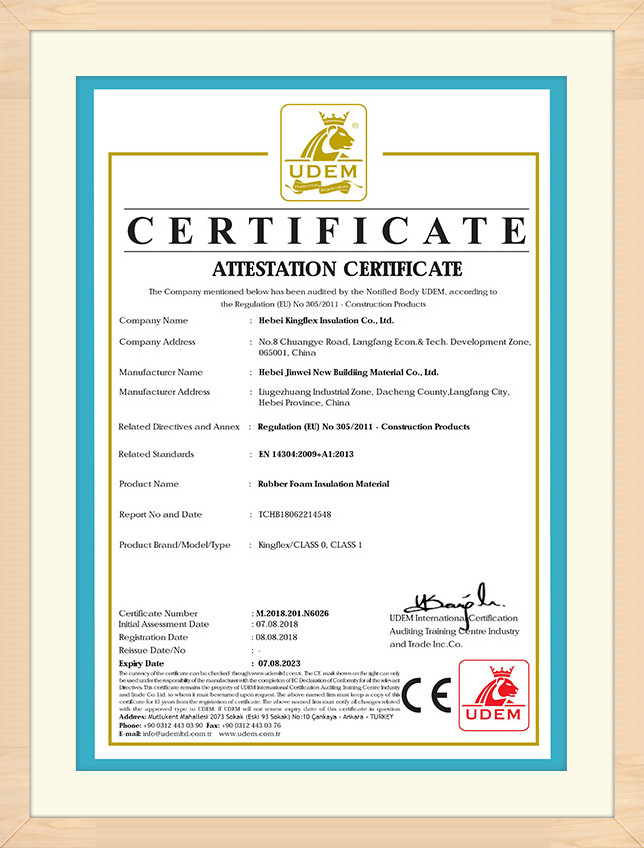
CE Marking Certification
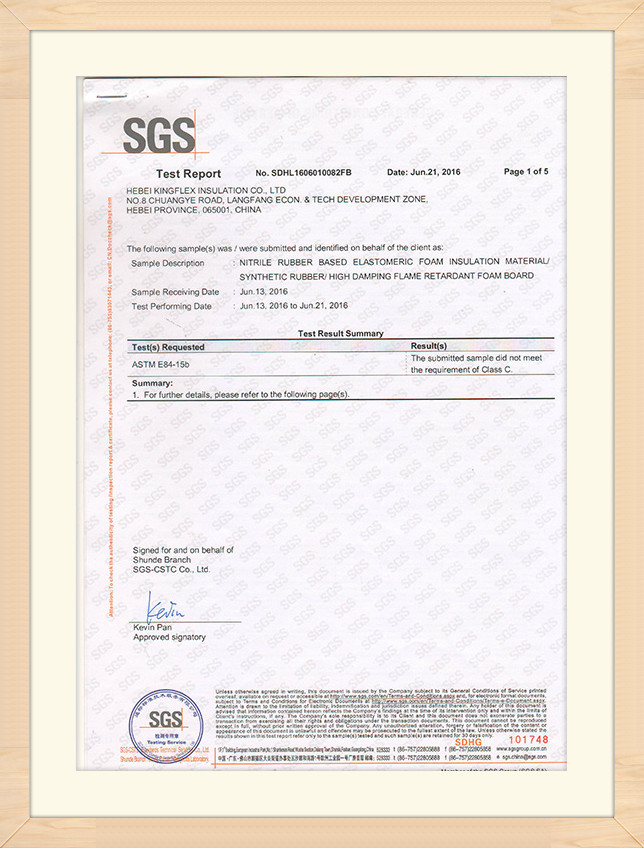
ASTM Compliance Certification
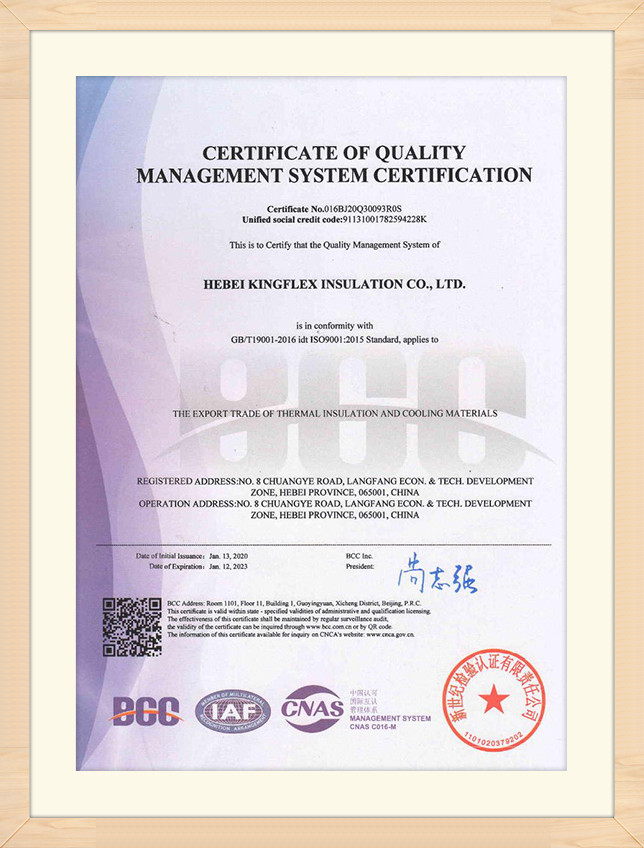
ISO 9001 Factory Quality System Verification
BS 476 Fire Test Compliance Record

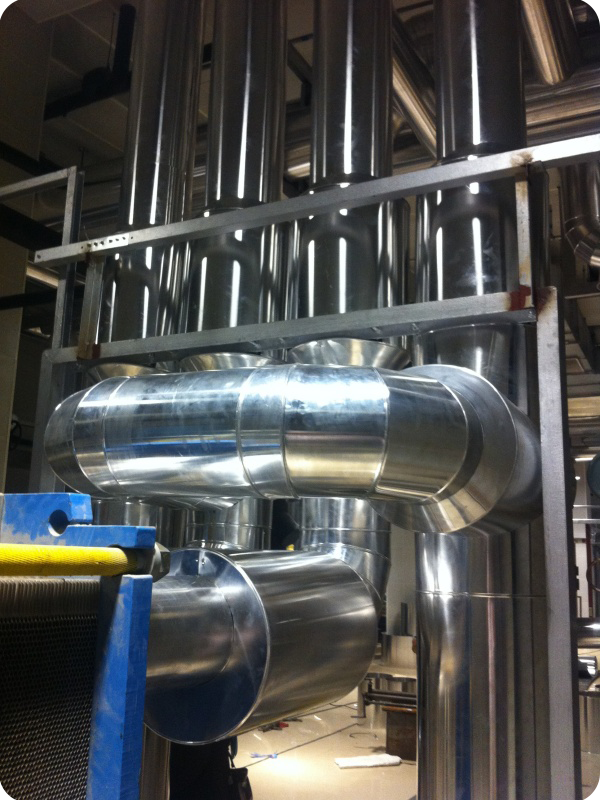
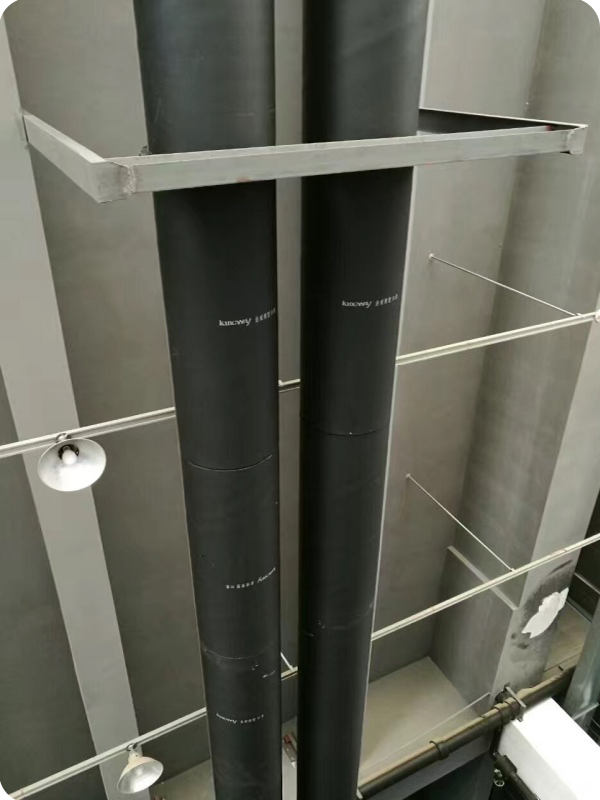
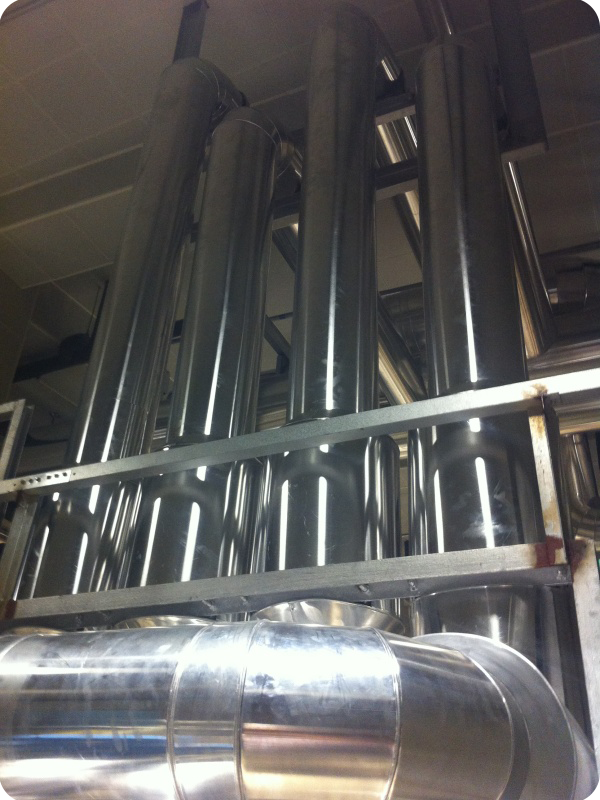
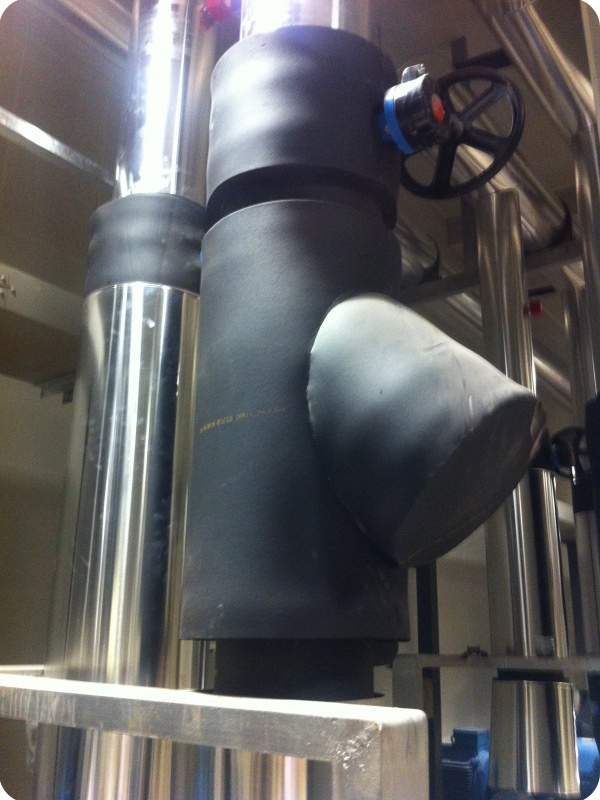
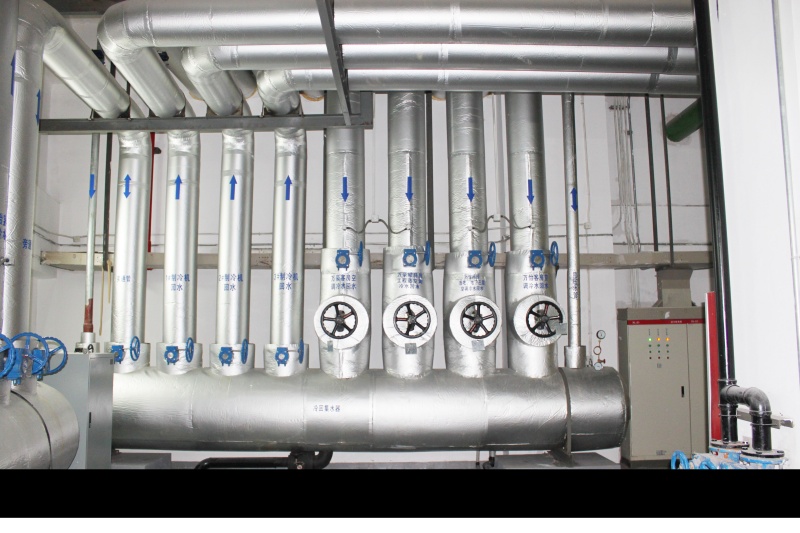
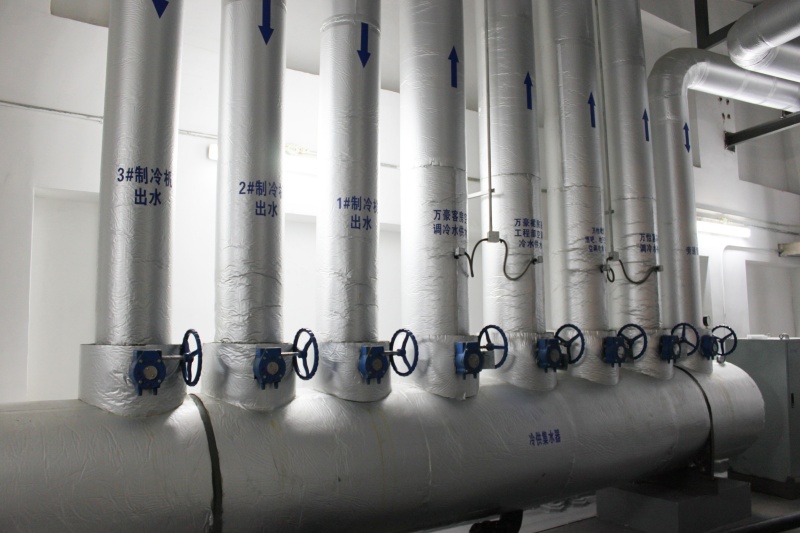
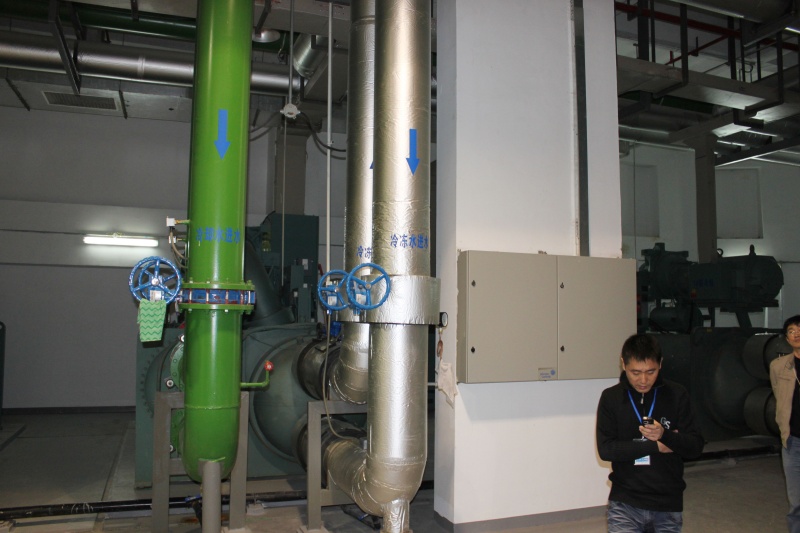
Acoustic Insulation Integration Project Cases

From commercial drywall systems to deep industrial cryogenics, see our materials deployed on site.

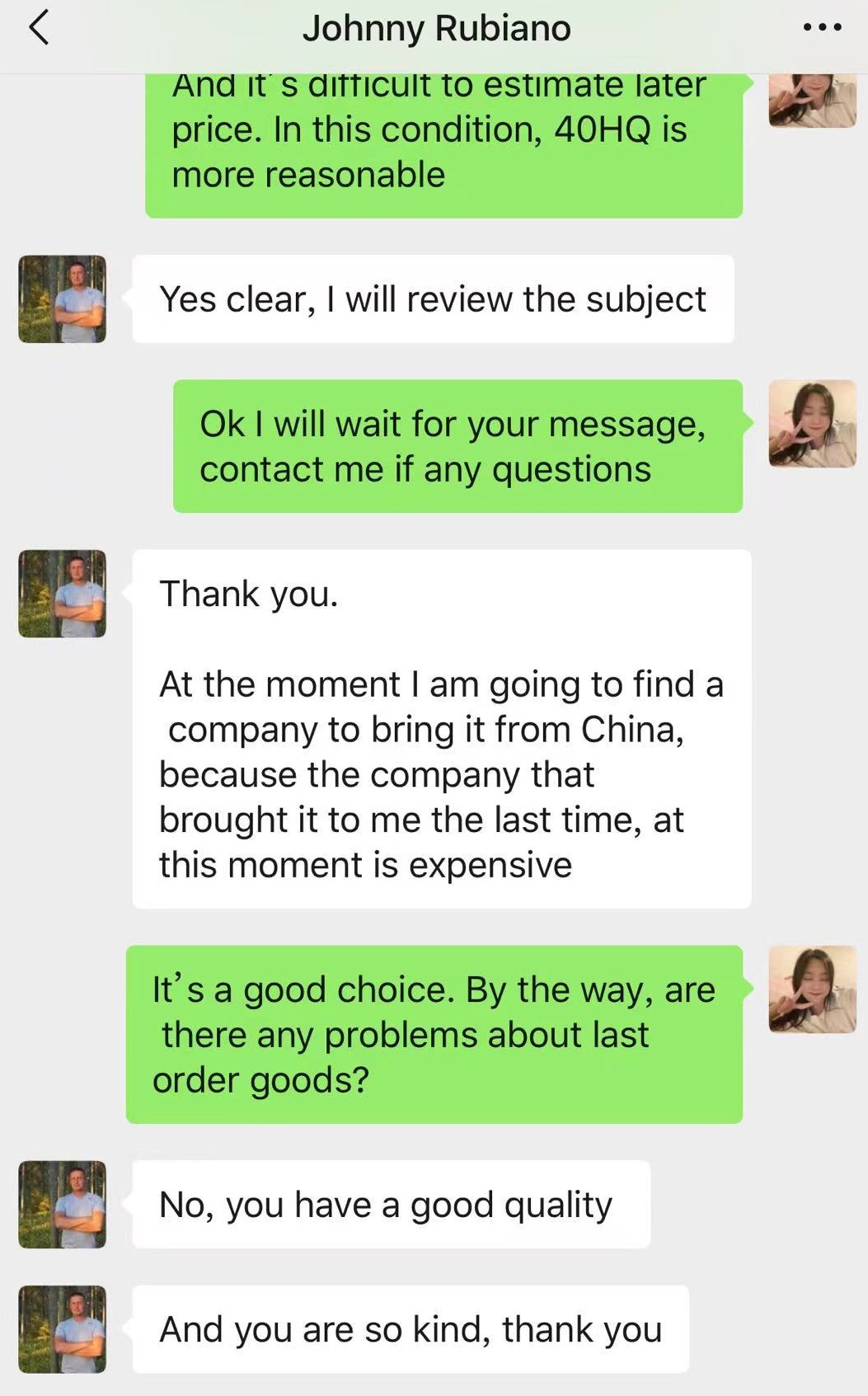
Transparent Supplier Collaborations

A look at the feedback, order approvals, and specifications verified by our global procurement partners.

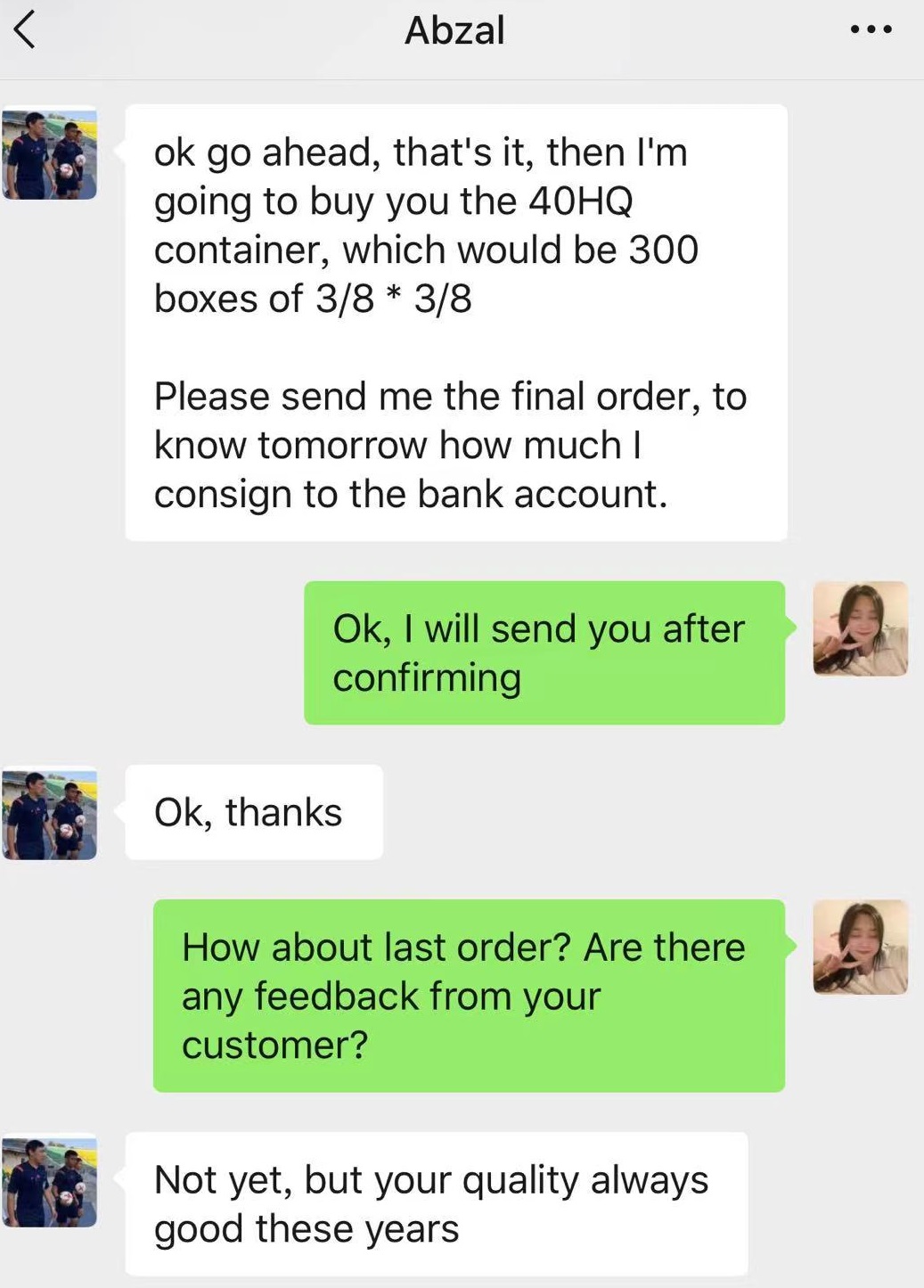
Client Communication Screenshot 1
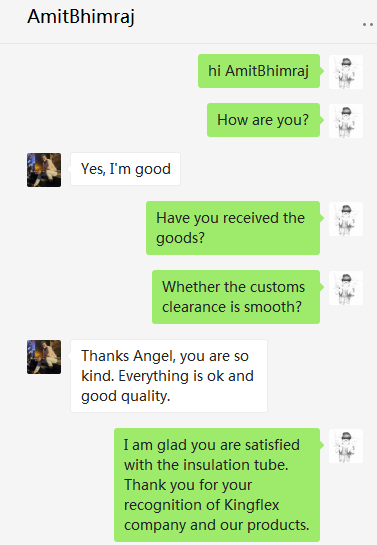
Client Communication Screenshot 2
Client Quality Verification Log
Client Production Progress Discussion
Logistics Tracking and Verification Receipt
Product Spotlight

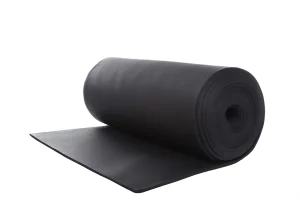
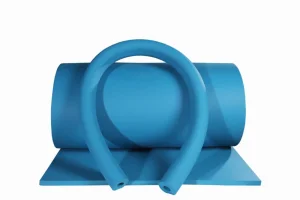
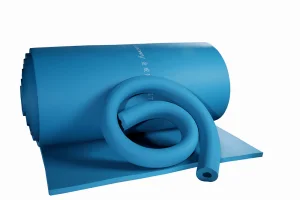
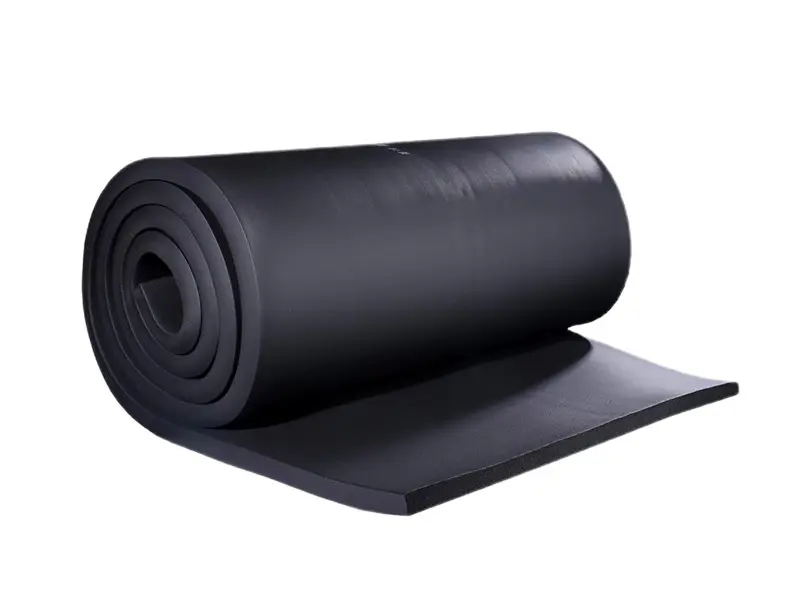
Black NBR/PVC Rubber Foam Insulation Sheet Rolls

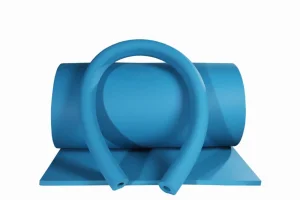
Our flagship NBR/PVC rubber foam line is engineered to address thermal losses and environmental dampening challenges. Through pressure-foaming techniques, we achieve an even, closed-cell rate exceeding 98%. This configuration ensures stability under severe conditions.

The micro-cellular network maintains a low thermal conductivity rate while preventing moisture migration, protecting industrial systems from corrosion under insulation (CUI). The material also features a compression resilience rating above 80%, recovering its shape even under heavy mechanical load.

Raw Material Base NBR/PVC Elastomeric Polymer Blend
Thickness Availability 6mm to 50mm
Density Limits 40 - 55 kg/m³
Service Temperature Limit -40°C to 105°C
Black Rubber Foam Insulation Sheet Roll Details
Pipe Insulation Line

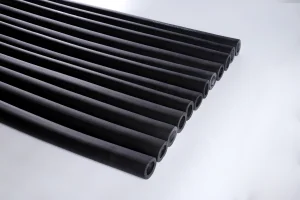
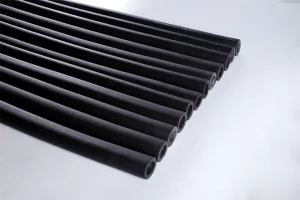
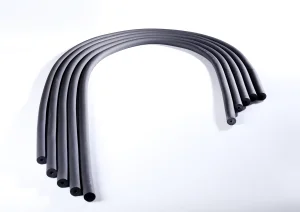
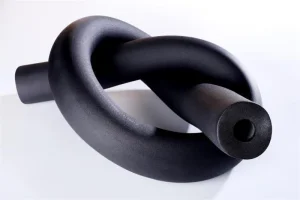
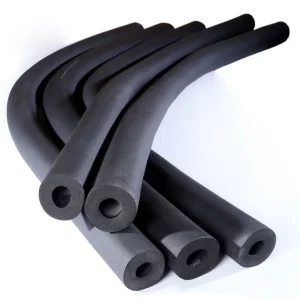
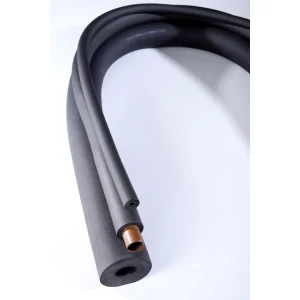
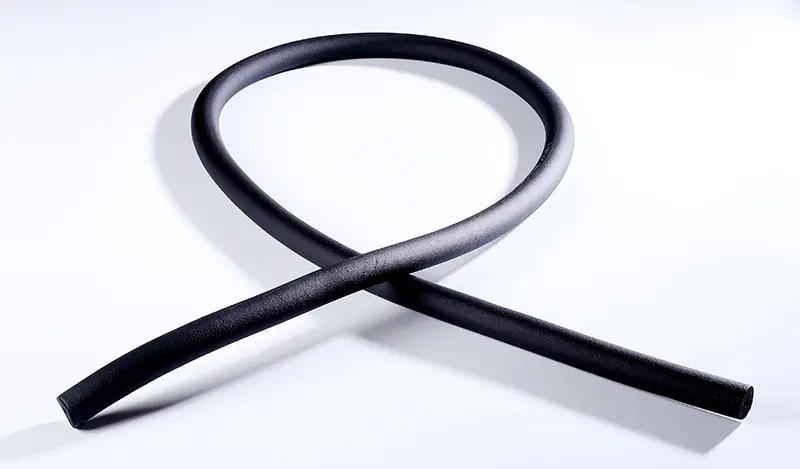
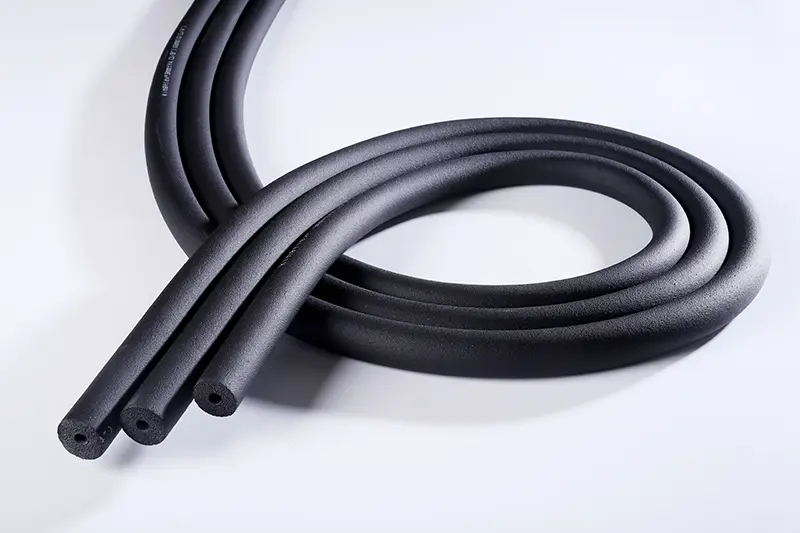
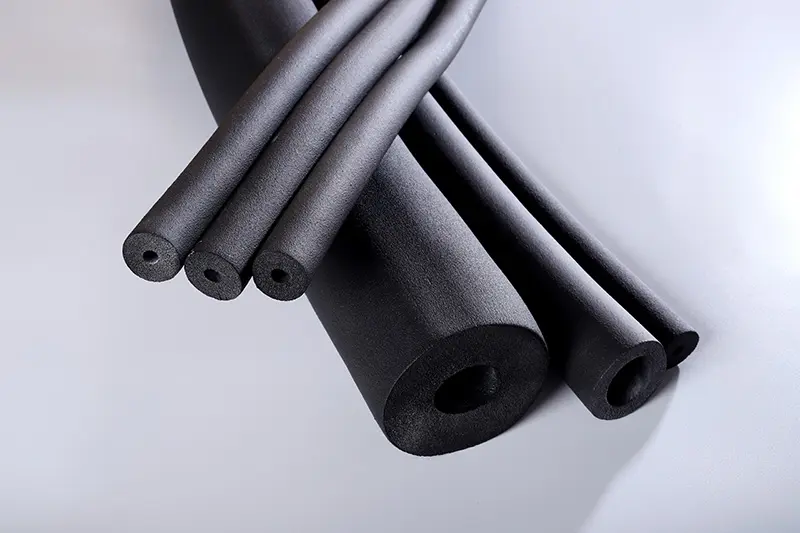
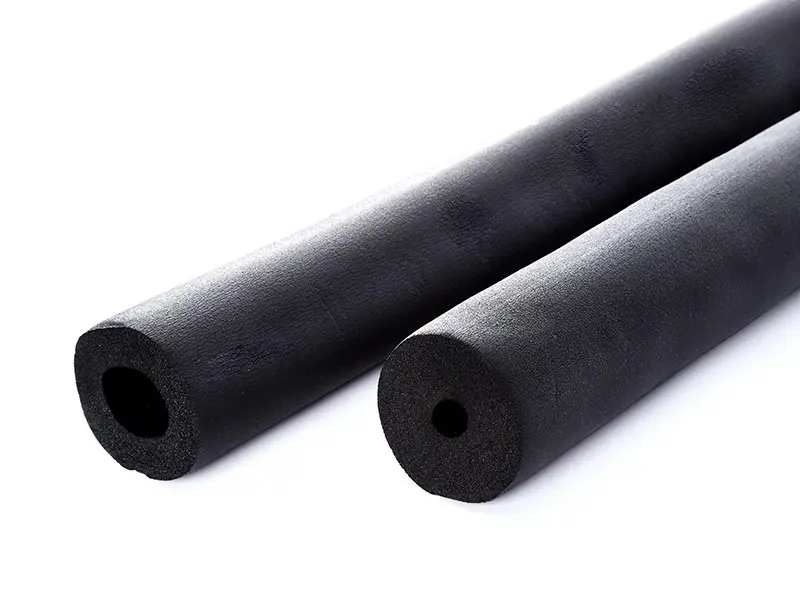
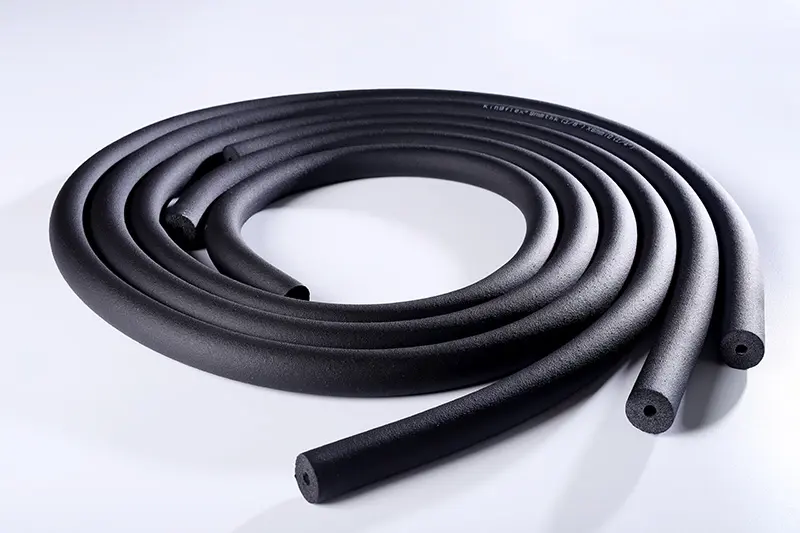
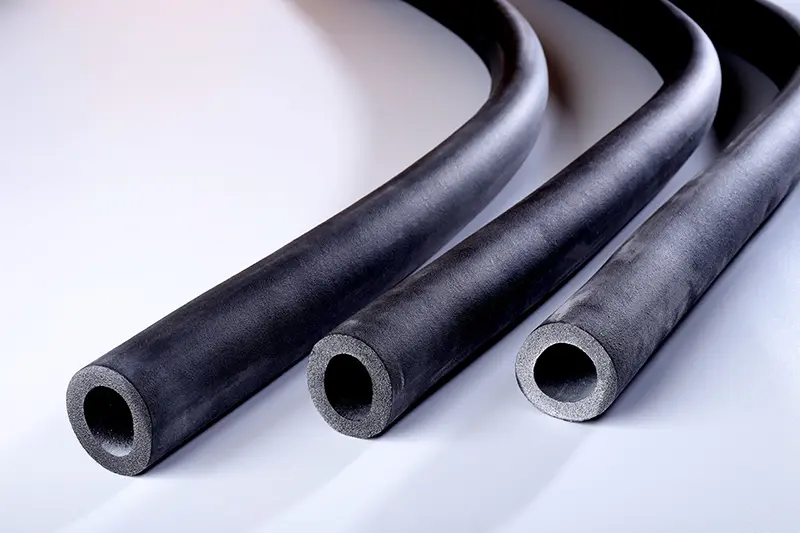
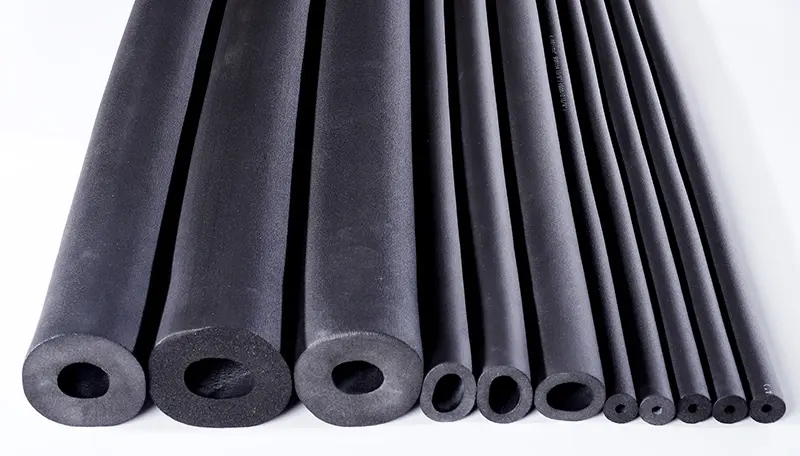
Black Rubber Foam Insulation Pipes

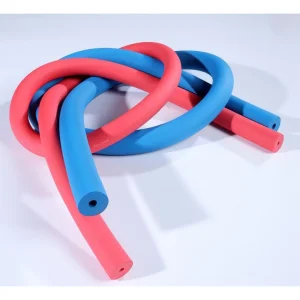
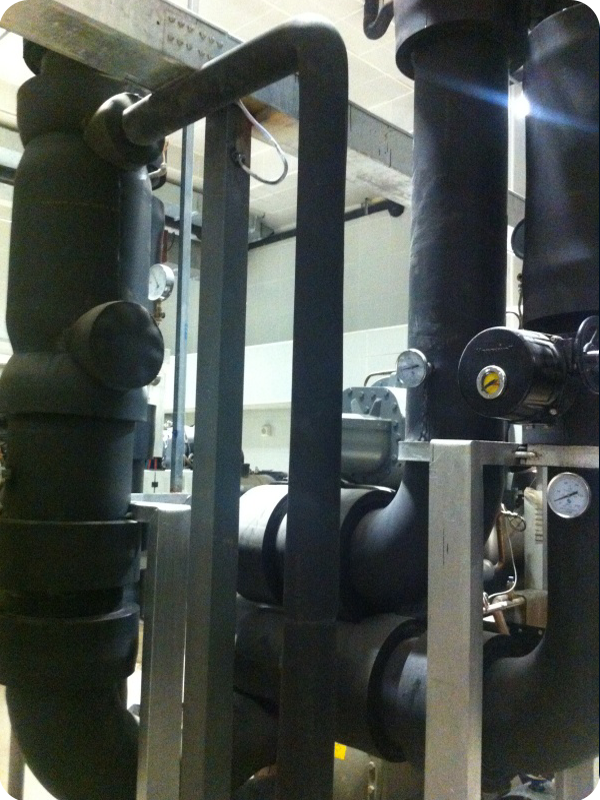
Designed for immediate slide-on installation during piping design or retrofitting via slit-and-seal procedures. These closed-cell elastomeric tubes wrap hot or chilled pipelines, maintaining process stability and preventing condensation.

With an inner diameter range from 6mm to 114mm and variable wall thicknesses, these pipes fit standard industrial piping sizes. They protect against freezing in low-temperature HVAC lines while dampening structure-borne vibration and mechanical noise.

Available Thicknesses 9mm, 13mm, 19mm, 25mm, 32mm, 40mm
Inner Diameters (ID) 6mm up to 114mm
Key Features Pre-molded, highly flexible, low dust generation, fire retardant.
Black Rubber Foam Insulation Pipe Section

Expert Q&A: Technical & Commercial Specifications

Get answers to common queries regarding acoustic attenuation, compliance, and custom ordering.

Q1: What is elastomeric rubber foam insulation used for?
A1: It is primarily used for HVAC ducts, refrigeration and air conditioning pipework, industrial pipeline cold preservation, wall systems, and high-performance sound isolation dampening.
Q2: Is Kingflex rubber foam insulation fire resistant?
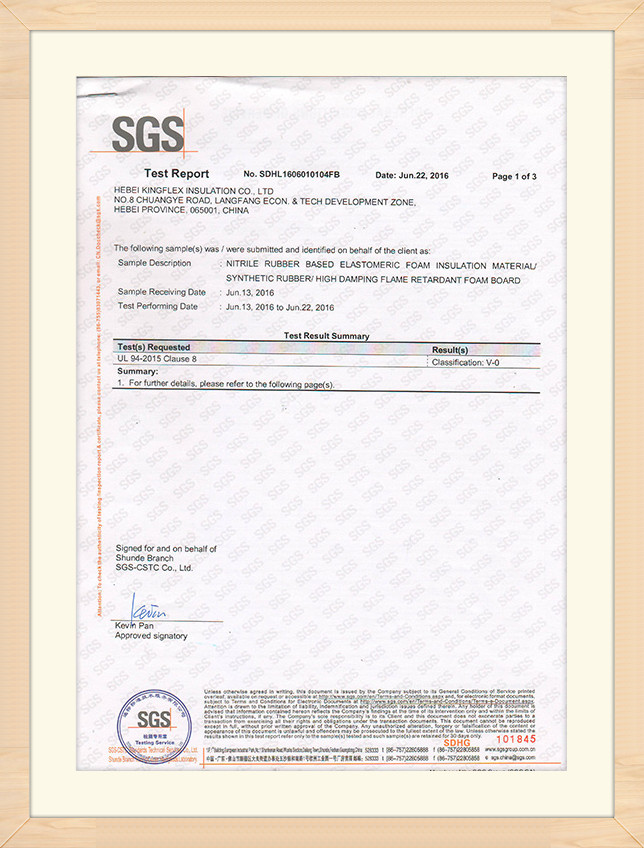
A2: Yes, our elastomeric products integrate fire-retardant elements, achieving class standards such as BS 476, UL94 V-0, and ASTM E84, ensuring safety in building and industrial environments.
Q3: What is the main operational difference between rubber foam and rock wool insulation?
A3: Rubber foam is highly flexible, closed-cell, and moisture-impermeable, making it ideal for preventing condensation on cold-water pipes. Rockwool features a fibrous open-cell design with high heat tolerance, making it suitable for acoustic drywalls, structural fireproofing, and high-temperature steam lines.
Q4: Do you offer custom OEM thickness options for large projects?
A4: Yes, we provide OEM support. We customize density, thickness, thermal conductivity coefficients, and protective backings to meet specific project guidelines.
Q5: Which international certifications do your products carry?
A5: Our products are certified under BS 476, CE, REACH, RoHS, UL94, and ASTM protocols, ensuring regulatory compliance across European, Asian, and American markets.
Q6: Are Kingflex products traceable from raw material to finished product?
A6: Yes, our Quality Management System uses batch-coding to trace raw materials, production parameters, and inspection records.
Q7: What thickness range do you offer for rubber foam sheet rolls?
A7: We manufacture rolls in standard thicknesses from 6mm to 50mm to suit diverse insulation configurations.
Q8: What is the expected service lifespan of these elastomeric insulation materials?
A8: When installed according to manufacturer specifications and protected from UV exposure, the material has a service life of 10 to 15 years.

Industrial Production Lines & Stockyards

Our warehouses and shipping docks process high-volume bulk orders for distribution worldwide.

Continuous Automated Line Processing & Raw Stock

A collection of our production steps, raw material processing, and final product packaging.