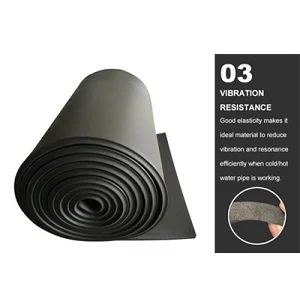
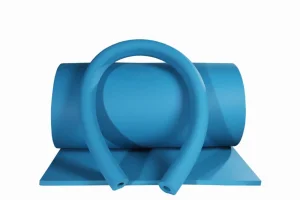
Wholesale Insulation Glue Supplier & Quotes

High-Performance Industrial Adhesives for HVAC, Cryogenic, and Building Insulation Systems. Certified Thermal Solutions Designed for Extreme Durability.

Adhesive Engineering in Modern Elastomeric Insulation Systems

In industrial and commercial thermal management, the performance of an insulation system is only as strong as its weakest joint. Elastomeric rubber foam systems—widely deployed for HVAC conduits, chilled water lines, acoustics, and cryogenic operations—rely completely on specialized insulation glue (bonding adhesive) to maintain vapor barrier continuity. When an adhesive bond fails, ambient humidity penetrates the system, leading to condensation, dramatic drops in thermal efficiency, and eventually, destructive Corrosion Under Insulation (CUI).

🛠 Science of Bonding Elastomeric Materials

Thermal insulation adhesives are formulated using polychloroprene rubbers and volatile solvent matrices designed to yield exceptional cross-linking with elastomeric substrates like NBR (Nitrile Butadiene Rubber) and PVC blend foams. The contact adhesive operates via two-sided wet application, undergoing flash-off before bonding. This creates a cohesive chemical bridge that matches the flexibility, temperature resilience, and moisture resistance of the insulation board or tube itself.

For extreme settings, such as cold-chain pipelines or petrochemical cryogenic systems, standard commercial adhesives fail due to embrittlement. Kingflex and Jinwei Group engineers have developed specific adhesive compounds that retain shear strength and elastic resilience at temperatures as low as -40°C and as high as 105°C, ensuring a permanent vapor-tight seal.
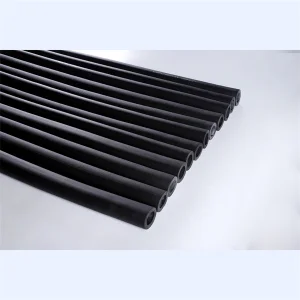
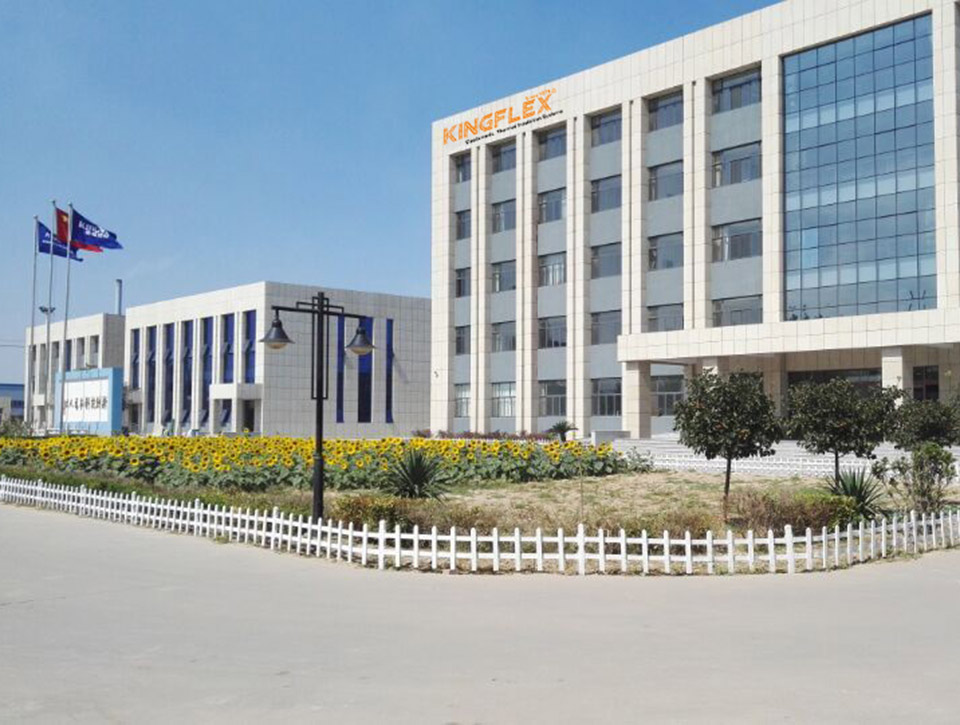
Kingflex Manufacturing Facility and Research Lab
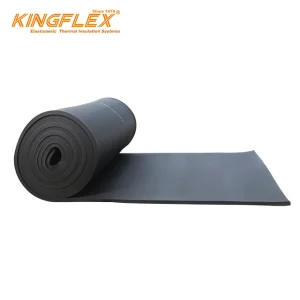
600K+
Annual Capacity (m³)
40+
Years Industry Legacy
66+
Exporting Countries
98%
Closed Cell Rate

Localized Application Engineering Scenarios

Different architectural and mechanical environments demand distinct properties from bonding agents and elastomeric sheets. Below is how Kingflex insulation setups perform under specific field conditions:
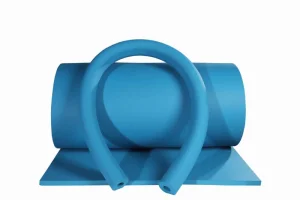
Cryogenic & Chilled Lines

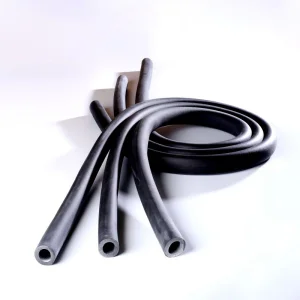
Chilled water pipelines suffer from massive condensation. Our high-density NBR foam coupled with low-temp moisture-proof glue stops liquid ingress, keeping systems moisture-free and dry.

🔥

HVAC Ducting & Fire Safety

For cleanrooms, commercial malls, and high-rise structures, flame retardancy is vital. Kingflex components meet BS 476 and UL94 criteria to ensure self-extinguishing safety metrics.
🔊

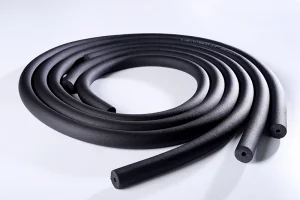
Acoustic Dampening

Machinery rooms and air handling units generate structural vibration. Installing dense rubber foam sheets with continuous adhesive limits sound transmission and controls operational noise.

Important Installation Parameter: Open time (drying time before bonding) must be strictly managed based on ambient humidity and temperature. Under-drying results in solvent trapping and bubble formation, while over-drying causes poor contact transfer. Our engineering guides suggest a drying window of 3 to 10 minutes depending on onsite climates.
Kingflex Manufacturing Line and Storage
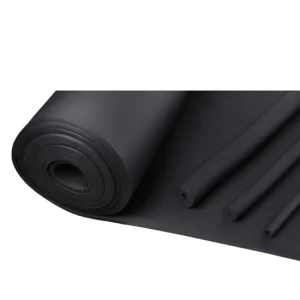
China Factory Supply Chain Advantage

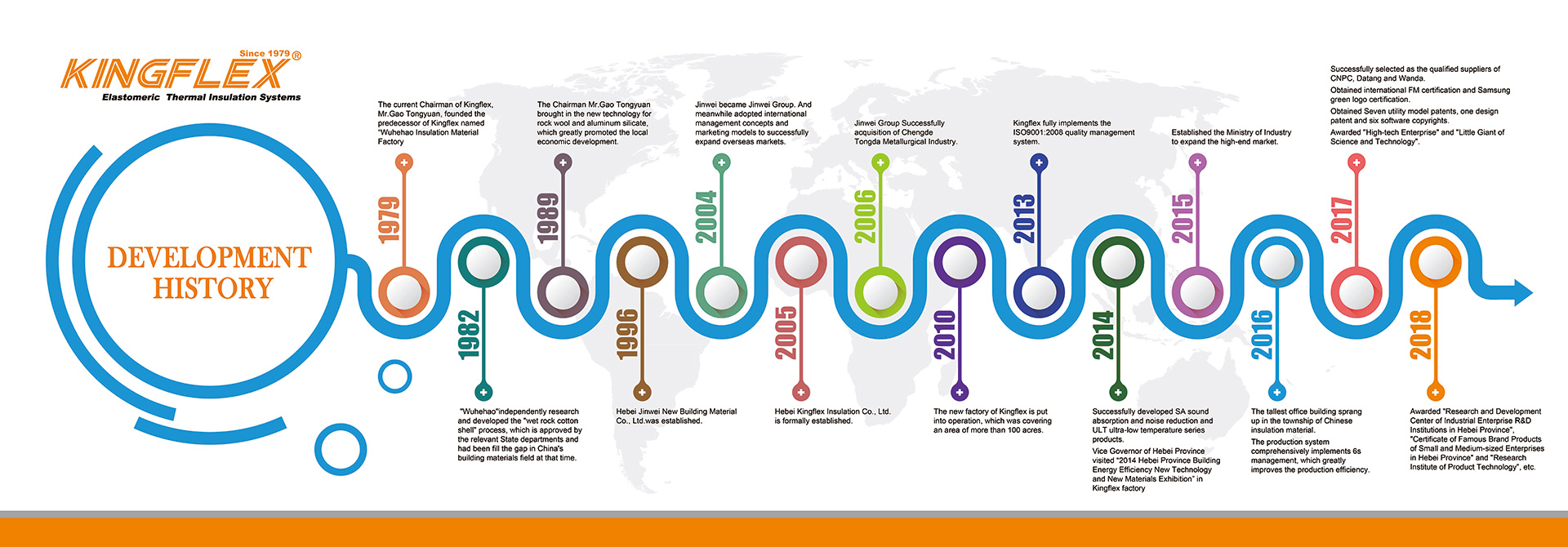
Established by the Jinwei Group (originating in 1979 as the first manufacturer of thermal insulation materials north of the Yangtze River), Kingflex has built a mature, highly integrated supply chain. Situated in Dacheng, China—the capital of green building materials—our production base covers the entire pipeline from raw NBR polymerization to custom compounding of rubber-bonding adhesives.
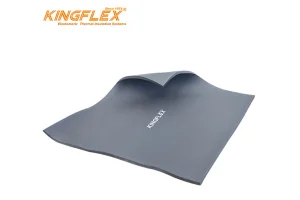
5 Large Automatic Assembly Lines: With an annual production capacity exceeding 600,000 cubic meters, Kingflex maintains continuous inventory pools, shielding global partners from shipping delays. Our centralized production model yields high economic value and guarantees uniform product batches.

Production Line 1
Production Line 2
Quality Inspection
Storage Yard

Kingflex Standard Specifications & Physical Properties

Our elastomeric NBR/PVC foam materials are engineered to match top-tier structural standards globally. Here are the core specifications of our primary production outputs:

Property Parameter NBR/PVC Elastomeric Sheet Elastomeric Foam Tube Adhesive System (Insulation Glue)
Density Range 40 - 55 kg/m³ 40 - 55 kg/m³ approx. 0.85 g/cm³
Service Temp. Range -40℃ to 105℃ -40℃ to 105℃ Up to 105℃ continuous
Thermal Conductivity ≤ 0.034 W/(m·k) at 0℃ ≤ 0.034 W/(m·k) at 0℃ N/A (Joint interface thickness < 0.5mm)
Vapor Permeability Coeff. ≥ 1.0 × 10¹⁰ g/(Pa·s·m) ≥ 1.0 × 10¹⁰ g/(Pa·s·m) Excellent absolute barrier properties
Fire Safety Rating Class 1 / Class 0 (BS 476) Class 1 (BS 476) Flame retardant dry film
Thickness Available 6mm - 50mm 9mm - 40mm (ID: 6mm - 114mm) Wet thickness ~ 150 microns

Rigorous R&D, Testing, and Compliance Verification

Our dedicated Research and Development department features 8 professional materials engineers focused on optimizing thermal conductivity, flame resistance, and VOC control. Every batch of Kingflex rubber foam and thermal adhesive is subjected to quality testing before packing and shipping.

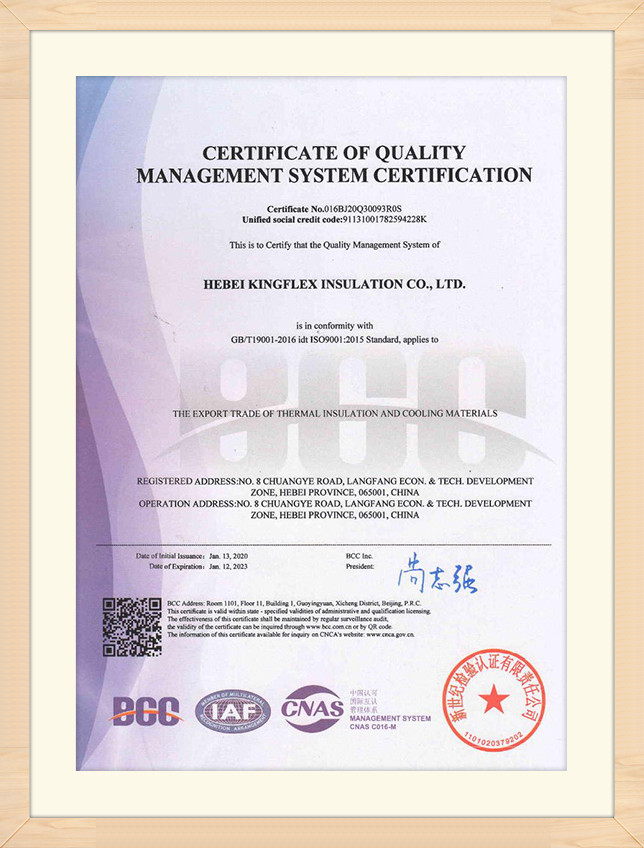
Our insulation products have successfully cleared global compliance testing frameworks, including:

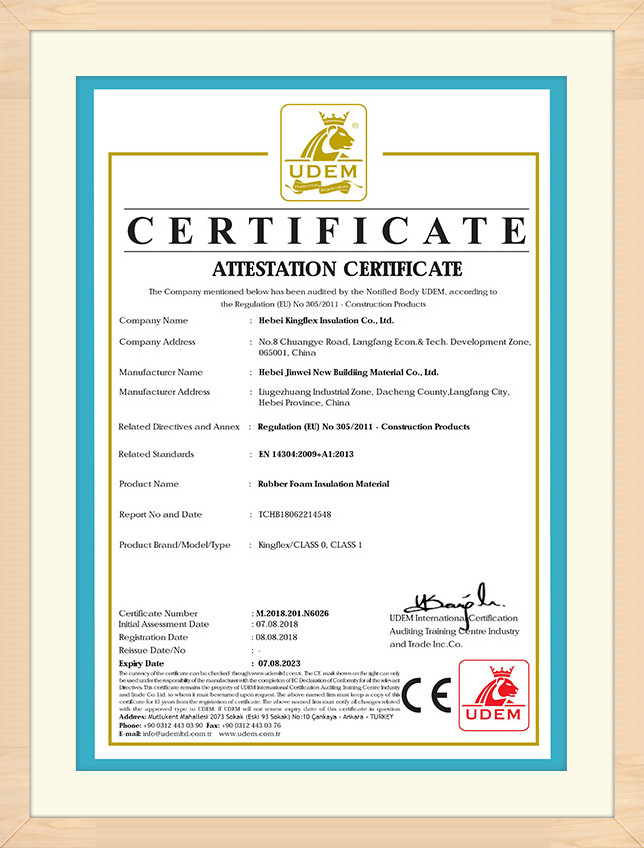
  • BS 476 Parts 6 & 7: Ensures low flame spread and minimal heat release indices.
  • REACH & RoHS: Full compliance proving no heavy metals, polybrominated biphenyls, or hazardous plasticizers.
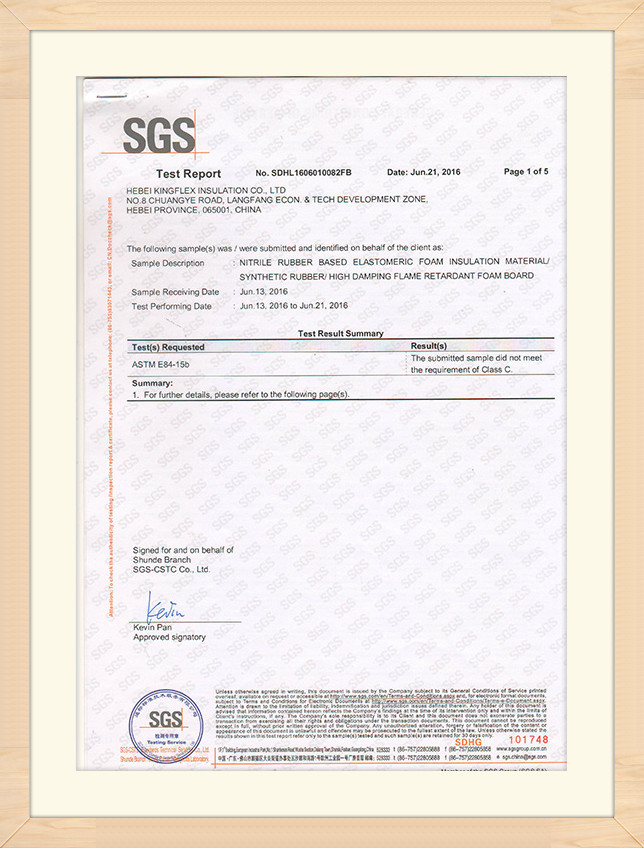
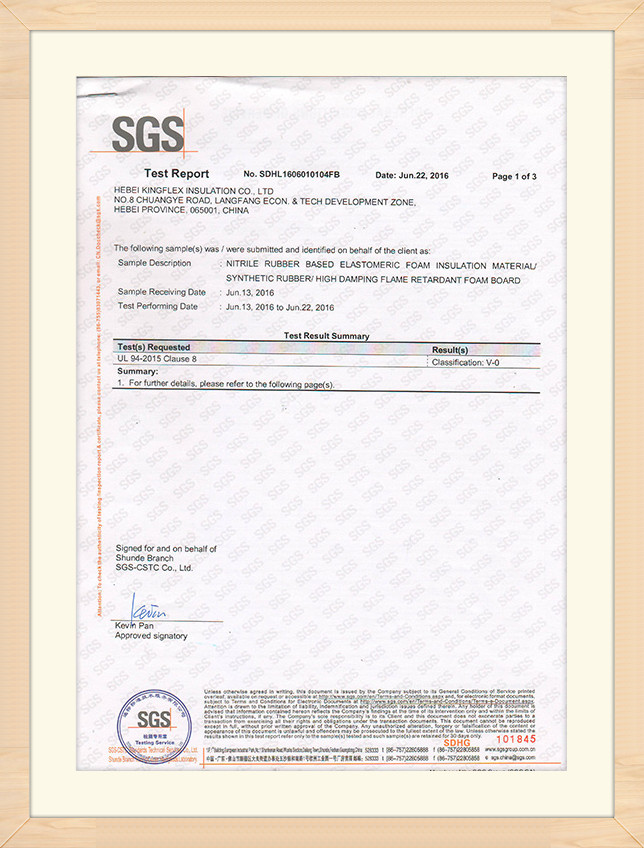
  • UL 94 & ASTM: Verified thermal performance, structural reliability, and self-extinguishing properties.
Certificate 1
Certificate 2
Certificate 3
Certificate 4

Global Sourcing & Procurement: Securing Reliable Quotes

For commercial projects, design institutes, and distributors purchasing thermal adhesives and insulation materials, logistics, stability, and pricing are critical metrics. Getting a quote involves balancing parameters like material density, thickness, volume, and local compliance requirements.

📝

1. Define Technical Specs

Select NBR density class, wall thickness, and adhesive packaging (cans/drums) based on project specs. Provide local code requirements (such as BS 476 Class 0) in your request.

🚚

2. Logistics & Safety

Adhesives containing solvents are classified as flammable liquids. We assist with safety MSDS documentation and compliant maritime packing to ensure safe custom clearances.

💼

3. Volume Pricing

Benefit from direct wholesale pricing. With 5 automatic assembly lines and scalable output, we offer optimized container consolidation and tiered bulk discount structures.

Collaborating with Kingflex R&D Team

Kingflex R&D and Team Workshop
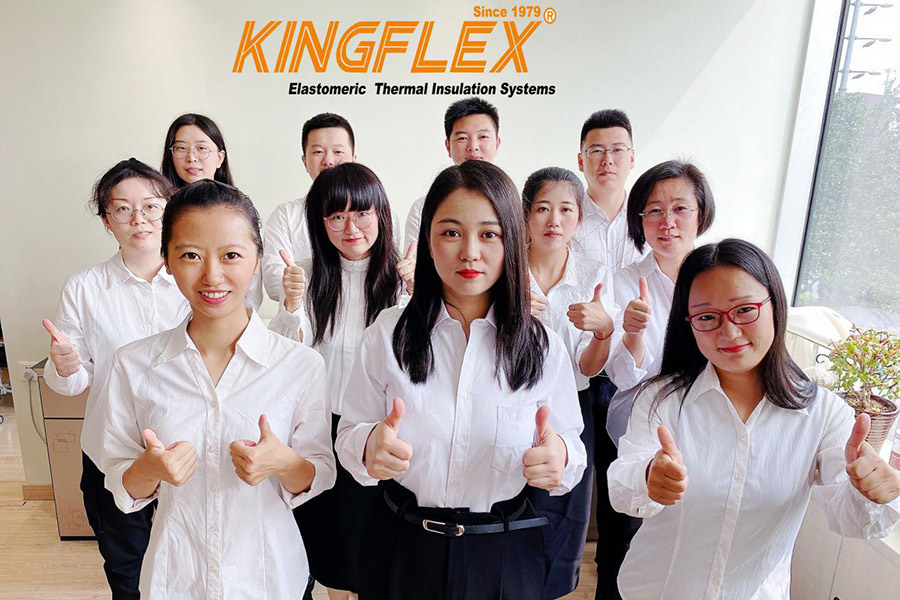
Our team consists of 8 professional engineers in the R&D department, 6 dedicated international sales representatives, and 230 manufacturing specialists. This combined experience enables us to offer bespoke OEM sizes, specialized color matching, custom packaging designs, and comprehensive technical advisory services directly tailored to your local building regulations.

Real-world Project Implementation & Client Interactions

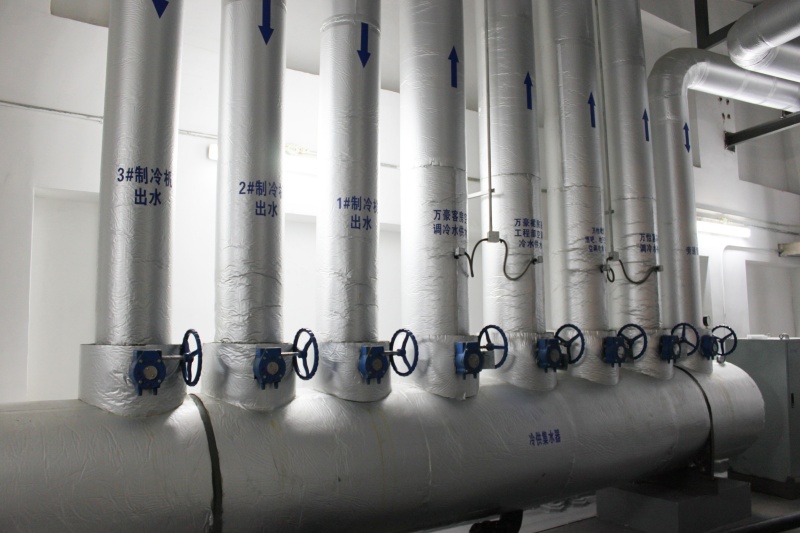
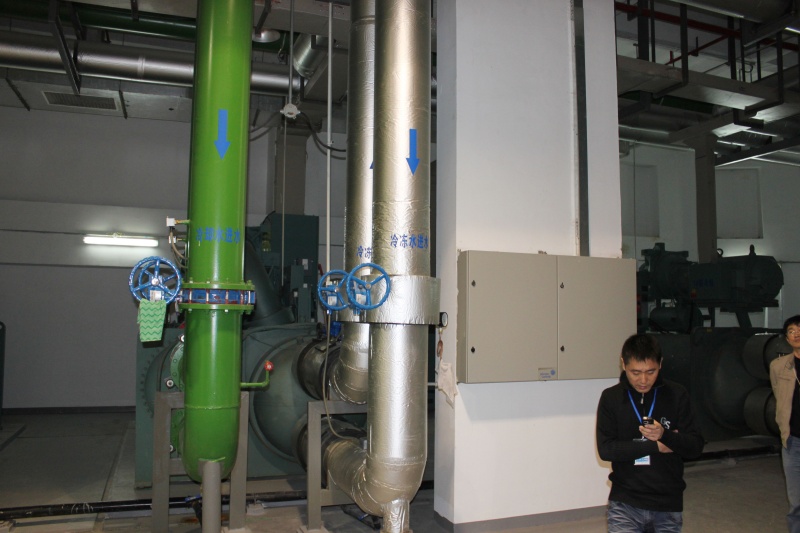
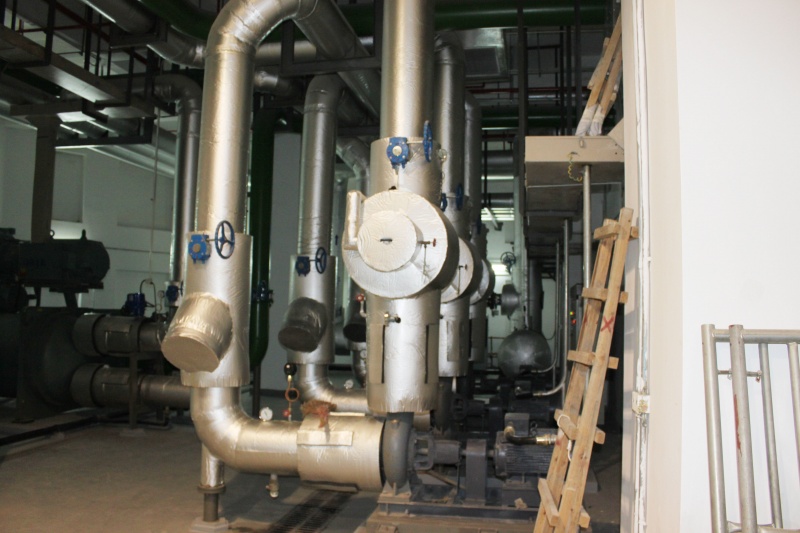
Our materials have been successfully applied in major global commercial HVAC and building insulation systems, proven by active field feedback.

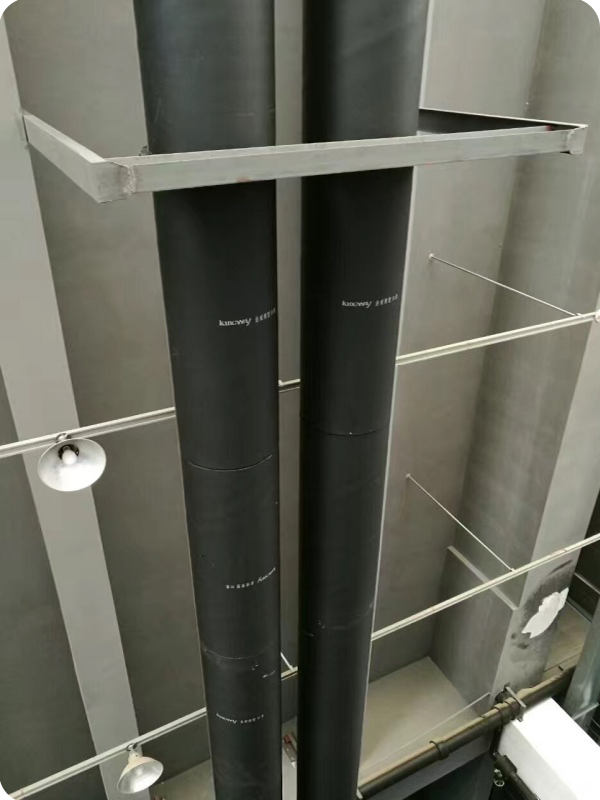
Industrial HVAC Project
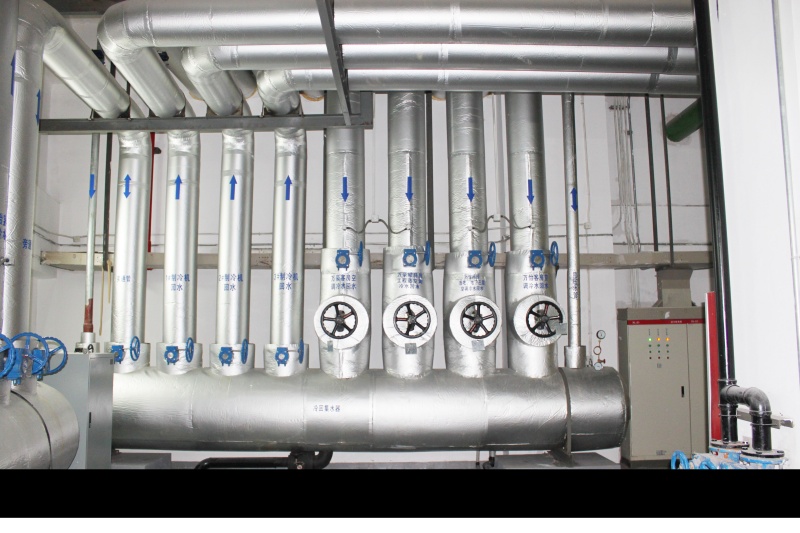
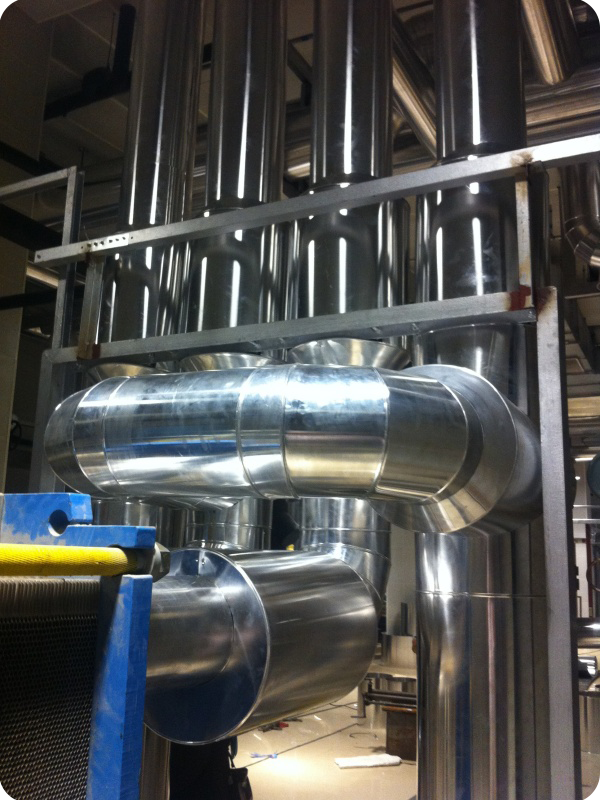
Chilled Water Piping Project
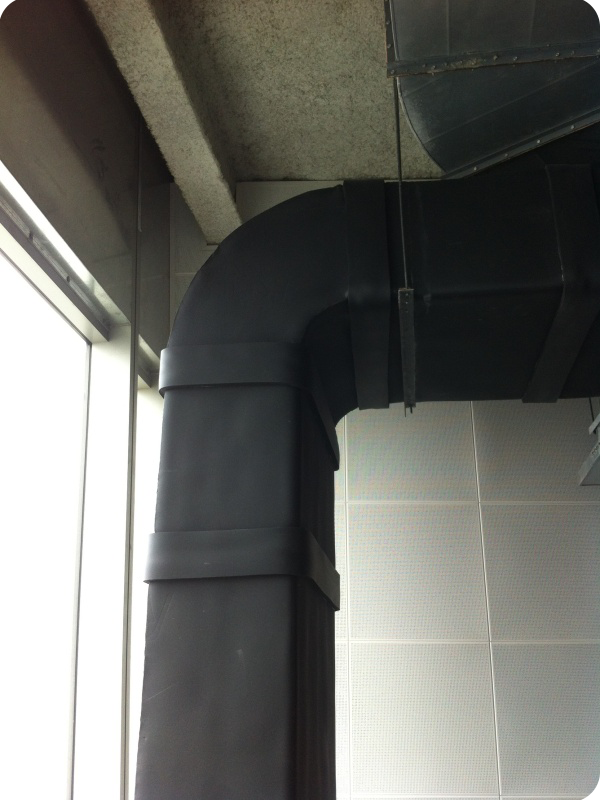
Commercial Air Conditioning Project
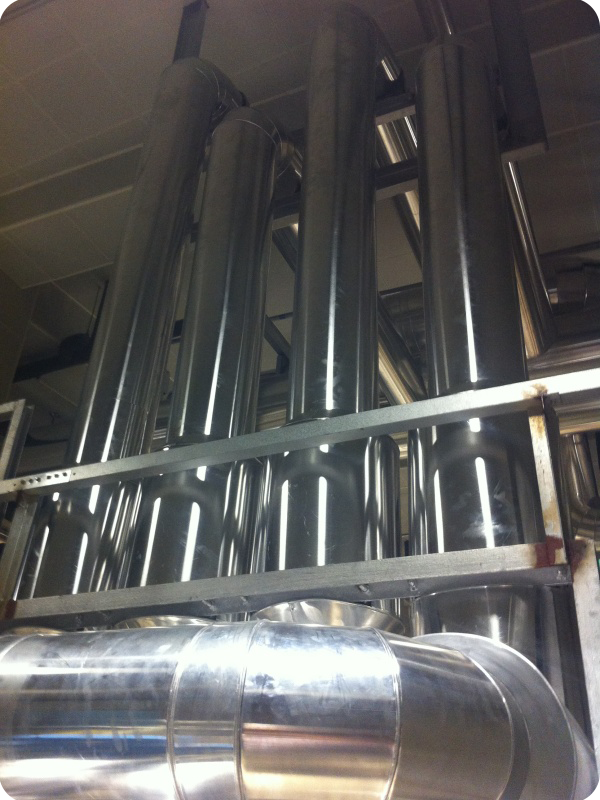
Plant Mechanical Room Project

Transparent Client Communication & Verification

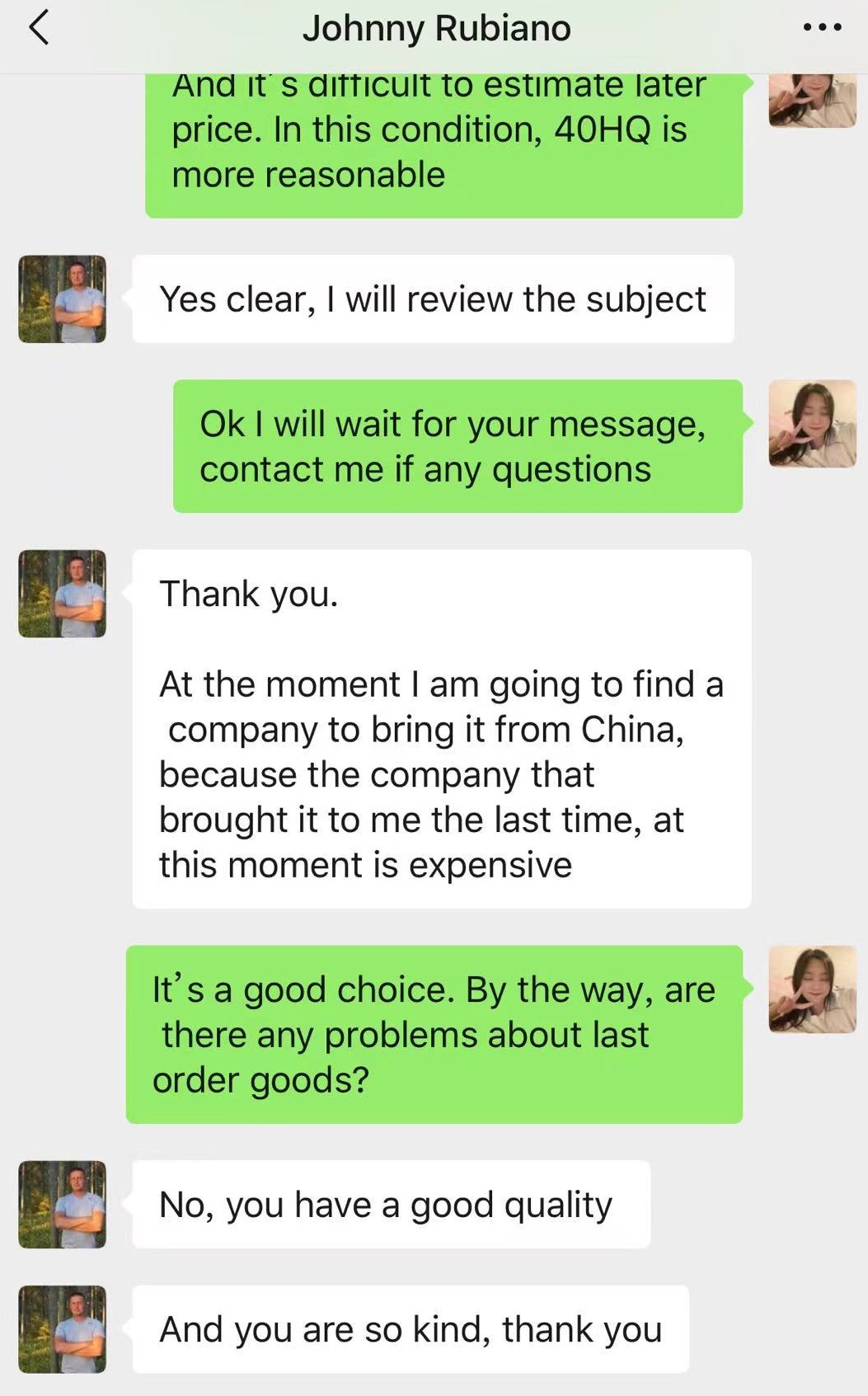
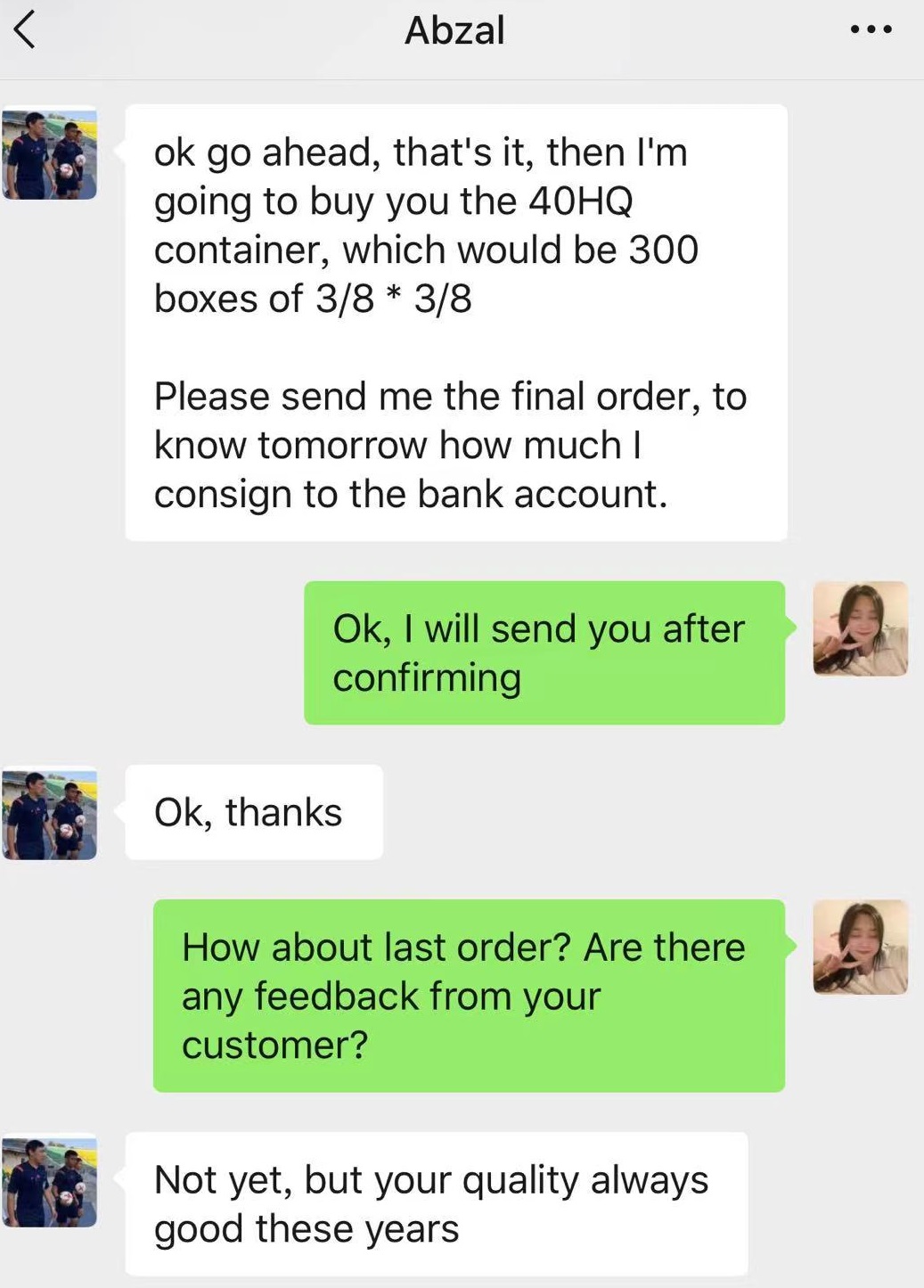
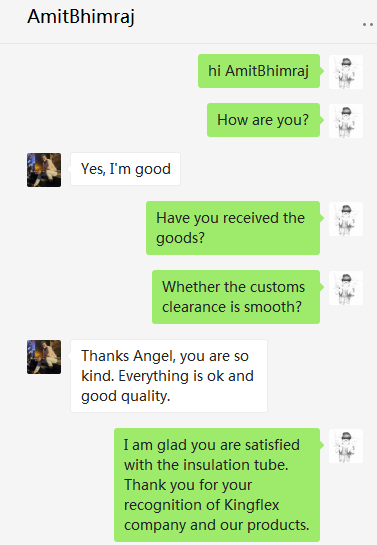
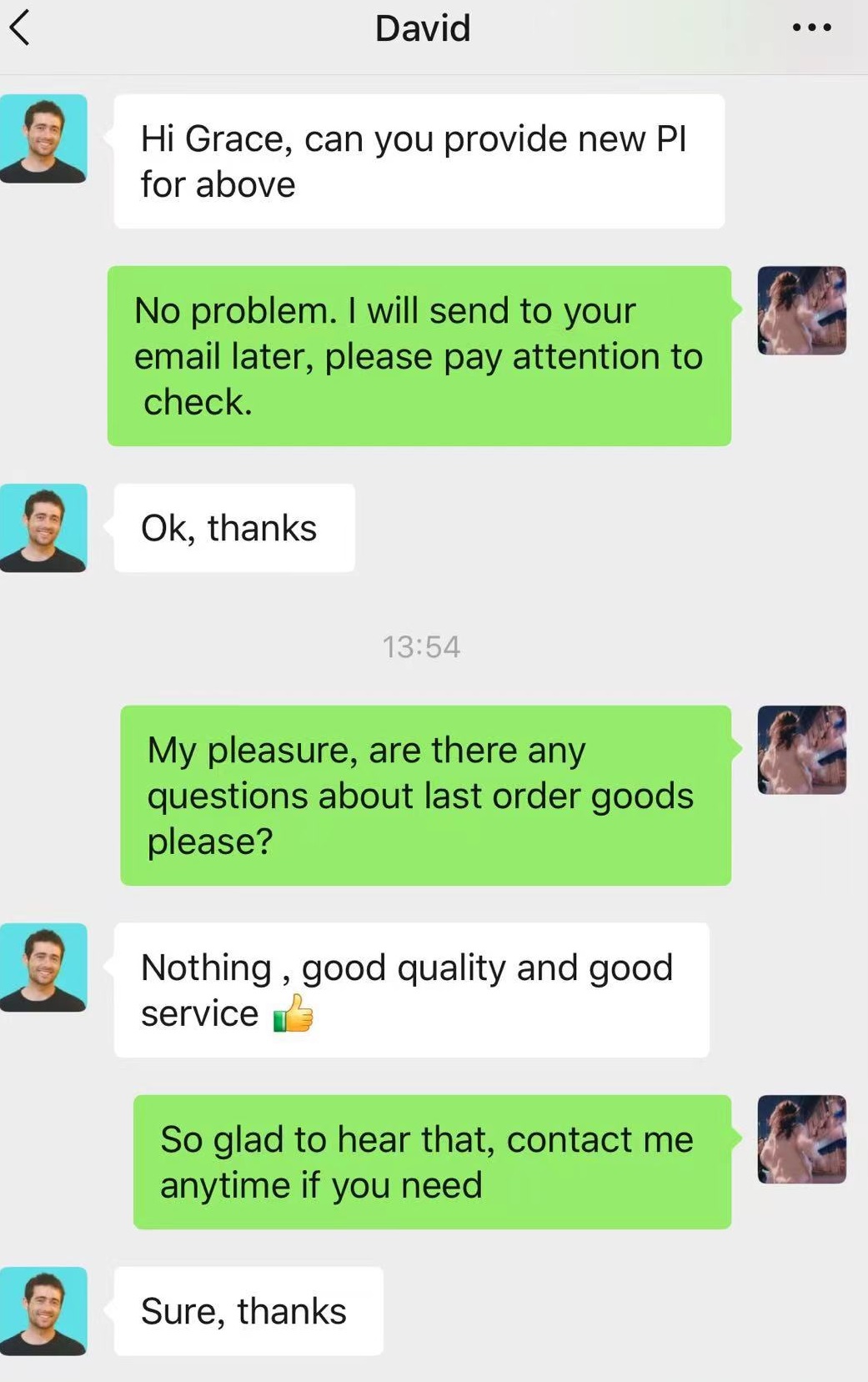
Reliability is confirmed by client feedback. Below are screenshots of communication history verifying our order processing speed, tracking performance, and strict quality control measures:

Customer Chat 1
Customer Chat 2
Customer Chat 3
Customer Chat 4
Customer Chat 5

Technical Q&A - Insulation Glue & Systems FAQ

Review our detailed technical solutions to frequent issues encountered in building insulation installations:

Q1: What is elastomeric rubber foam insulation used for?
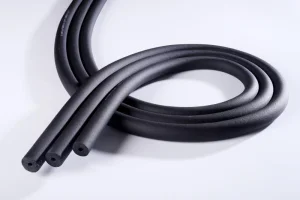
A1: It is mainly used for HVAC ducts, air conditioning pipes, building thermal insulation, industrial pipeline cold insulation, and sound insulation. Its closed-cell structure keeps it moisture-proof and thermally efficient.
Q2: Is Kingflex rubber foam insulation fire resistant?
A2: Yes, our rubber foam insulation products are fire retardant, which meets the safety standards of building and industrial projects worldwide (such as BS 476 Class 0, Class 1, and UL94 V-0 flame ratings).
Q3: What is the difference between rubber foam and rock wool insulation?
A3: Rubber foam is highly flexible, closed-cell, and moisture-proof, making it suitable for HVAC, chilled water lines, and cleanrooms. Rock wool is high-temperature resistant and fireproof, which makes it ideal for industrial high-temperature steam lines.
Q4: Do you provide customized insulation products?
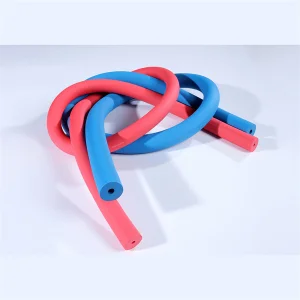
A4: Yes, we support OEM/ODM services. We can customize density, wall thicknesses (6mm to 50mm), pipe inner diameters (6mm to 114mm), and color choices to meet specific commercial project requirements.
Q5: What certifications do your products have?
A5: Our products have passed BS 476, CE, REACH, ROHS, UL94, ASTM, and other international certifications, ensuring product quality and compliance with global environmental and construction safety standards.
Q6: Does Kingflex products have traceability?
A6: Yes, all Kingflex products have full traceability. Every batch is stamped with a production code linking back to raw material testing data, machine parameters, and quality sign-offs.
Q7: What thickness of Rubber foam insulation sheet roll can you produce?
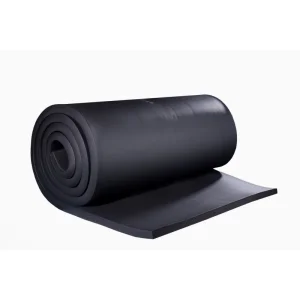
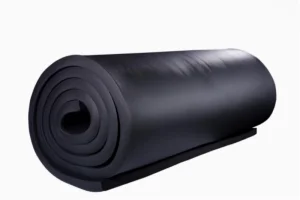
A7: We can produce sheet rolls in thicknesses ranging from 6mm to 50mm, allowing engineering teams to design single-layer or multi-layered installations.
Q8: What is the service life of rubber plastic pipe and board?
A8: Under normal operating parameters and correct adhesive-sealed installations, the service life is about 10 to 15 years, with low degradation of thermal resistance over time.
Q9: How do I select the right insulation glue for high-humidity environments?
A9: You should look for a solvent-based polychloroprene contact adhesive with high water resistance and a fast cure time. This ensures that moisture cannot migrate through the joint seams, preserving the vapor barrier even during periods of heavy ambient humidity.
Q10: What are the primary VOC regulations governing insulation adhesives?
A10: Modern green-building standards like LEED require low-VOC content in interior adhesives. Kingflex offers eco-friendly, low-solvent adhesive formulations that comply with local VOC ceilings without sacrificing bond strength.