1. The Engineering of Steam Line Insulation Thickness Calculation
In high-pressure steam distribution systems, thermal insulation is the single most critical factor determining thermodynamic efficiency, operational safety, and system lifecycle cost. Determining the correct thickness of steam pipe insulation requires a precise analysis of heat transfer kinetics. Over-insulating leads to high capital expenditures (CAPEX) with diminishing returns, while under-insulating leads to excessive heat loss, steam condensation, and safety hazards due to high surface temperatures.
Standard thermodynamic insulation calculation models are governed by the principles of radial heat conduction combined with external convection and radiation. The fundamental formula used to determine the rate of heat loss ($q_L$) per unit length of a cylindrical pipe is expressed as follows:
Where k_eff is the mean temperature-dependent thermal conductivity of the insulation material, T_pipe is the operating steam temperature, T_ambient is the ambient air design temperature, D_inner and D_outer represent the pipe boundaries including insulation, and h_comb is the combined convective and radiative heat transfer coefficient on the exterior jacket boundary.
Under standards such as ASTM C680 (Standard Practice for Estimate of the Heat Gain or Loss and the Surface Temperatures of Insulated Pipe and Equipment Systems) and BS EN ISO 12241, designers must input dynamic variables including ambient wind velocity, surface emissivity of the outer protective cladding, and relative humidity. Relative humidity is crucial for cold steam systems or dual-temperature lines to prevent condensation on the surface, requiring the surface temperature to remain strictly above the ambient dew point.
2. The Global Decarbonization Push & Industrial Steam Management
Worldwide, heavy industrial complexes—ranging from petrochemical refineries and chemical processing units to district heating networks and textile factories—rely on steam as their primary utility vector. As global energy prices remain volatile and ESG (Environmental, Social, and Governance) criteria become stricter, optimizing steam systems is a major priority for energy managers.
Uninsulated or poorly insulated valves, flanges, and piping runs release gigajoules of thermal energy directly into the atmosphere. This energy waste directly increases a plant's Scope 1 carbon footprint. By utilizing modern insulation thickness calculation engines, process engineers can verify the financial payback of retrofitting networks with high-performance closed-cell elastomeric rubber foam or advanced rock wool solutions.
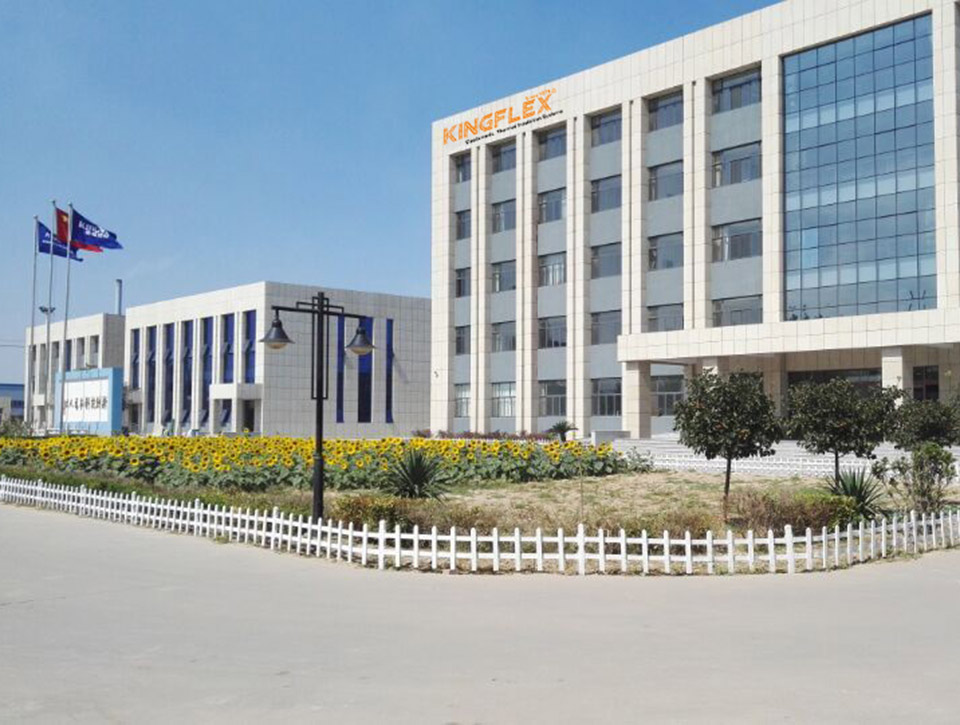
Kingflex Insulation Co., Ltd. is a leading manufacturer and supplier of advanced thermal insulation systems. Kingflex’s R&D and manufacturing facility is located in Dacheng, China—a region known as the capital of energy-saving building materials. Operating under a core philosophy of green energy conservation and emission reduction, the company offers full-cycle engineering support, from initial design and thickness calculation to manufacturing, shipping, and installation guidance.
A Legacy Built on Decades of Expertise
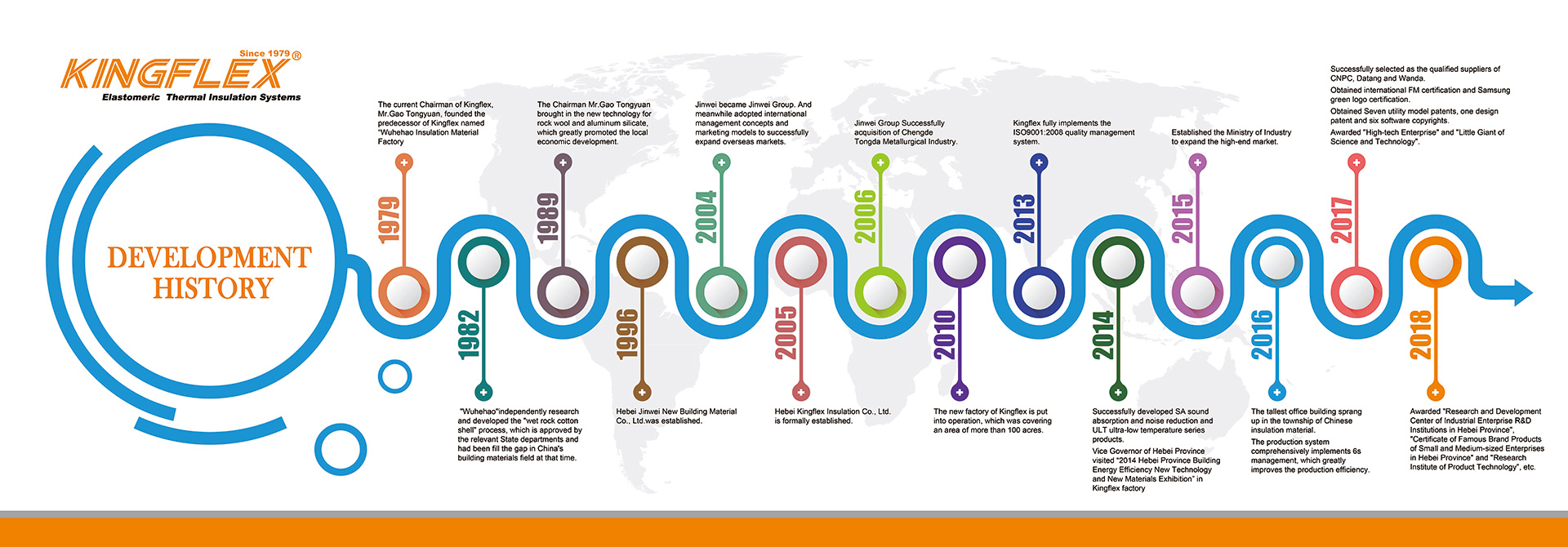
Established by the Jinwei Group, which has a manufacturing history dating back to 1979, Kingflex benefits from over 40 years of industrial knowledge. Jinwei Group was the first manufacturer of thermal insulation materials north of the Yangtze River. This deep industrial background enables Kingflex to manufacture products that reliably meet international testing protocols.
Today, our technical team comprises 8 dedicated R&D engineers, 6 international customer care specialists, and over 230 technicians on our automated production lines, ensuring consistent quality across all product ranges.
4. China Supply Chain Advantages: High-Throughput Manufacturing
For global engineering, procurement, and construction (EPC) companies, partnering with a Chinese supplier offers significant cost and scale benefits. Kingflex operates 5 automated production lines with an annual capacity exceeding 600,000 cubic meters. This capacity allows Kingflex to supply large-scale projects without the long lead times common with regional manufacturers.
Standardized Quality Control
Our raw NBR, PVC, and auxiliary chemical agents are sourced locally, stabilizing our material costs and shielding customers from global supply chain disruptions.
OEM/ODM Customization
We supply custom thicknesses, densities, and adhesive backings tailored to meet specific industrial calculations and specifications.
Traceable Logistics
Every production batch is fully documented, from raw material inspection through packaging and global container shipping.
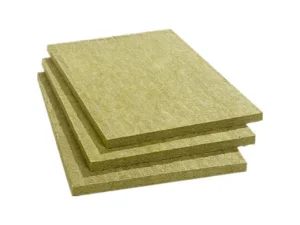
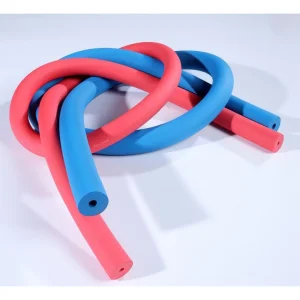
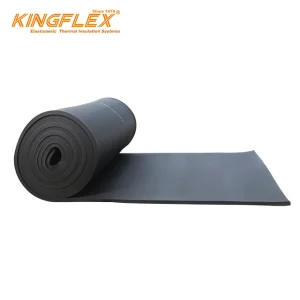
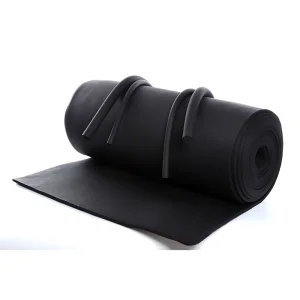
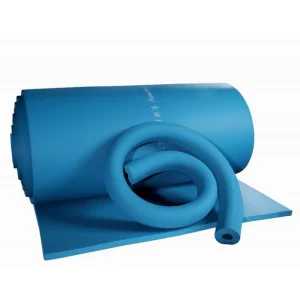
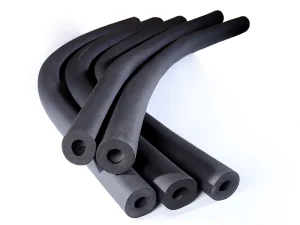
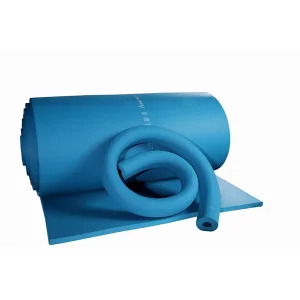
When engineering steam systems, selecting the appropriate material base is essential. Flexible closed-cell elastomeric rubber foam provides high moisture resistance and is suitable for low-pressure steam, HVAC, and dual-temperature configurations. Rock wool, meanwhile, offers high-temperature stability for high-pressure superheated steam headers.
Performance Parameter
NBR/PVC Elastomeric Rubber Foam
Industrial Rock Wool Board/Blanket
Operating Temperature Limit
-40°C to +105°C (Up to 150°C for specialty grades)
For standard steam lines (such as dry saturated steam at 8 bar, operating at 170°C), a hybrid system is often designed: an inner layer of rock wool handles the initial temperature drop down to 90°C, and an outer layer of closed-cell elastomeric foam seals the system against moisture intrusion.
6. Verified Quality & International Standards compliance
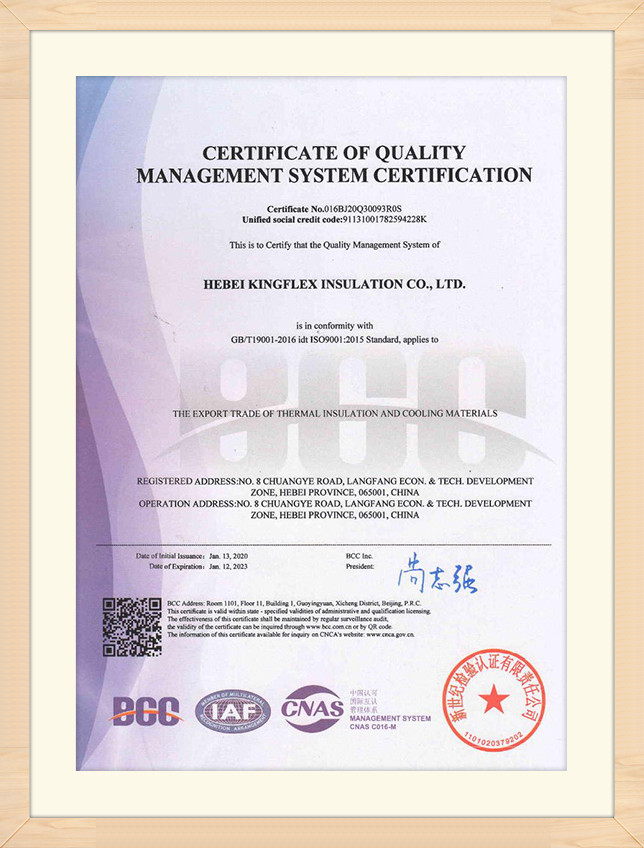
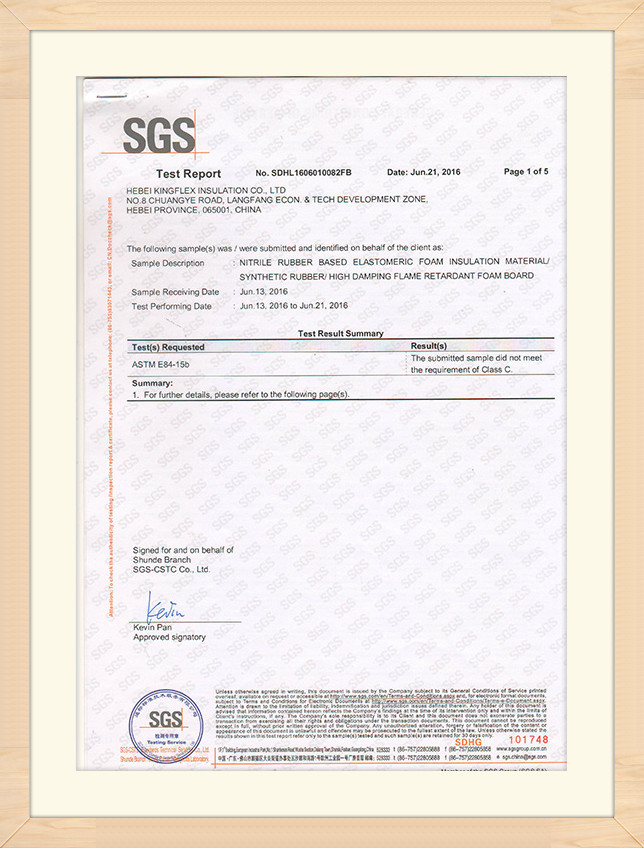
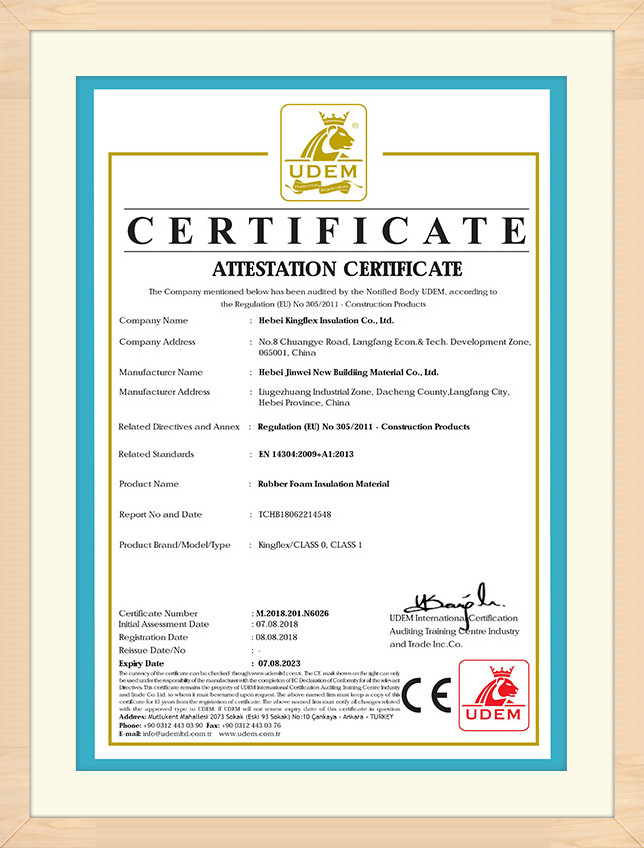
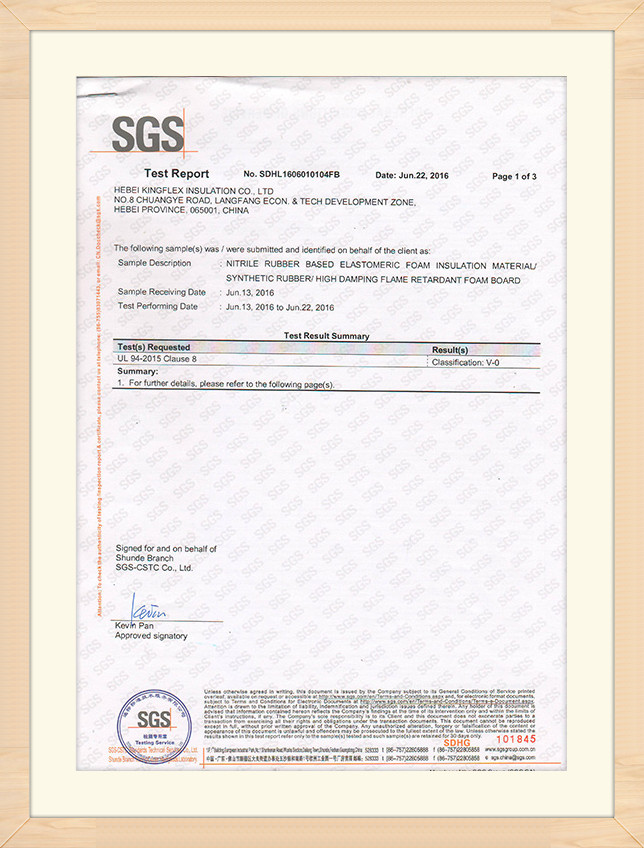
To ensure suitability for safety-critical and highly regulated industrial environments, Kingflex maintains a rigorous quality testing protocol. Our materials carry certificates of compliance with major global testing standards.
Our manufacturing and testing processes are designed to meet a range of international standards:
BS 476 Parts 6 & 7: Class 0 and Class 1 flame propagation limits.
UL94 Flammability Standard: Rated V-0 for vertical burn safety.
CE Mark (EN 14303): Certified for thermal insulation products on building equipment and industrial installations.
ASTM compliance: Testing for water vapor transmission rates, thermal conductivity, and structural shrinkage.
RoHS & REACH: Low VOC emissions, halogen-free, and safe for marine and pharmaceutical environments.
40+
Years Industry Legacy
600K+
Cubic Meters Yearly Capacity
5
Large Auto Assembly Lines
66+
Exporting Countries
Engineering FAQ & Calculations
Technical answers to key thermal insulation design and procurement questions.
Q1: What are the primary inputs needed to calculate the economic thickness of a steam line?
To calculate the economic thickness of steam line insulation, you need several key parameters: operating steam temperature, nominal pipe size (NPS), pipe material, ambient air temperature, wind velocity, relative humidity (to prevent condensation), energy cost ($ per million BTU or GJ), annual hours of operation, external cladding emissivity (e.g., bright aluminum vs. mastic), and the insulation's thermal conductivity at mean temperature.
Q2: Is elastomeric rubber foam suitable for high-pressure steam lines?
Standard NBR/PVC elastomeric rubber foam is suitable for temperatures up to 105°C (with some specialty formulations up to 150°C). Consequently, it is best suited for low-pressure steam, steam condensate return lines, dual-temperature piping, and HVAC applications. For high-pressure steam lines operating above 150°C, a hybrid design or rock wool insulation is recommended to handle the high thermal load, often paired with elastomeric foam on the outer layer for vapor barriers.
Q3: How does relative humidity affect surface thickness calculations?
Relative humidity dictates the dew point temperature. If the insulation surface temperature drops below the dew point, ambient water vapor will condense on the outer surface, leading to corrosion under insulation (CUI) and reduced thermal performance. In humid environments, calculations must specify a thicker insulation layer to maintain the outer surface temperature above the dew point.
Q4: What are the main differences between closed-cell rubber foam and rock wool insulation?
Closed-cell rubber foam is flexible, highly resistant to moisture, and has a built-in vapor barrier, making it suitable for HVAC, chilled water, and low-temperature steam. Rock wool is a fibrous mineral-based material that withstands high temperatures (up to 650°C) and is fireproof, making it suitable for high-pressure steam distribution and heavy industrial piping.
Q5: Do you provide customized thickness profiles for OEM applications?
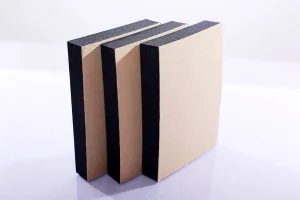
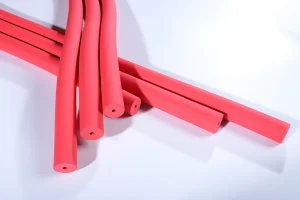
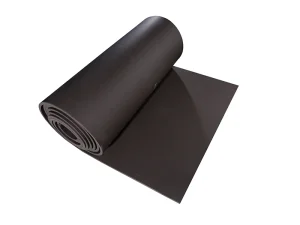
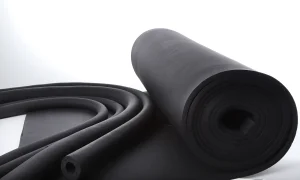
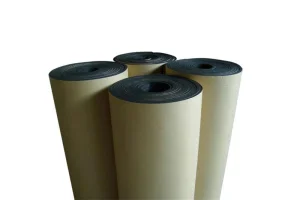
Yes, Kingflex offers full customization support. We supply NBR/PVC sheets in thicknesses ranging from 6mm to 50mm and pipe sections sized to match standard global pipe diameters. We also supply customized densities and pre-applied adhesive backings to meet specific project guidelines.
Industrial Protection & Accessories
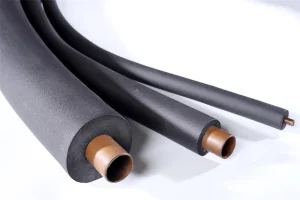
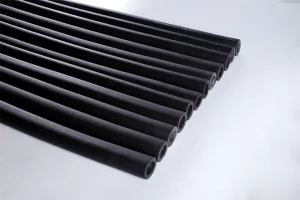
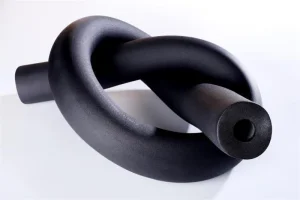
Closed-cell elastomeric tubing and specialty barrier systems for industrial piping networks.
 Kingflex