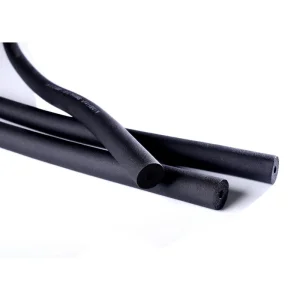
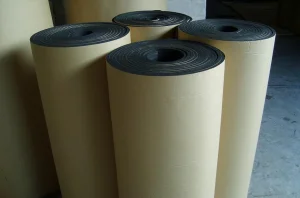
China Isolant Pour Tuyau De Ventilation Suppliers & Factory

Premium Elastomeric Closed-Cell Thermal & Acoustic Insulation Solutions for Global HVAC Systems

1. Executive Summary: The Evolution of Ventilation Duct Insulation

In modern industrial, commercial, and residential building architectures, the efficiency of HVAC (Heating, Ventilation, and Air Conditioning) networks is a critical metric for both environmental sustainability and thermal comfort. Duct networks act as the circulatory system of a building structure. Without proper insulation—referred to in global engineering as Isolant Pour Tuyau De Ventilation—these networks suffer massive energy degradation, acoustic amplification, and persistent condensation risks that lead to mold growth and compromised indoor air quality (IAQ).

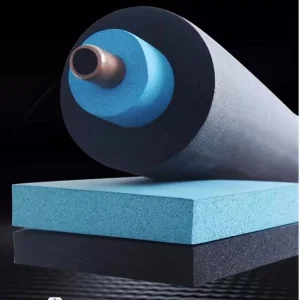
This technical white paper details the physical, thermal, and mechanical performance parameters of closed-cell elastomeric rubber foam insulation manufactured by Kingflex Insulation Co., Ltd. Backed by over 40 years of industry experience through the Jinwei Group (est. 1979), Kingflex delivers high-performance NBR/PVC-based insulation solutions designed to meet the rigorous international fire, acoustic, and thermal criteria required by modern construction projects globally.
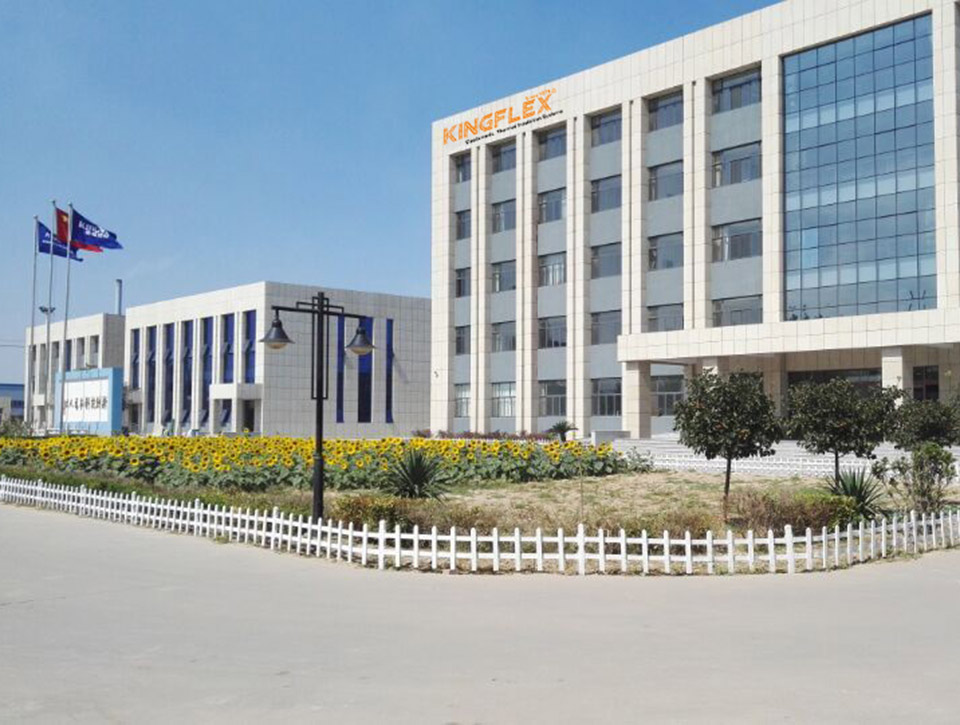
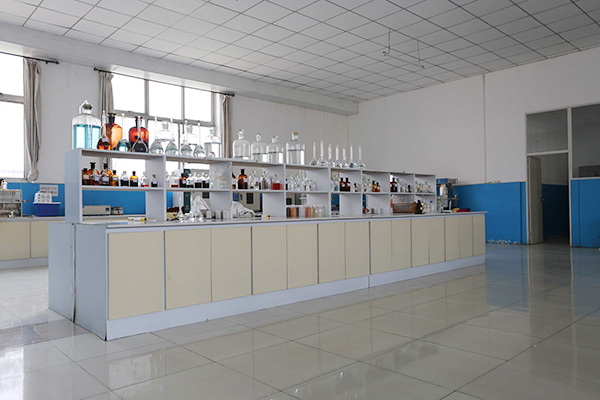
Kingflex Production Plant and Facility Area
2. Global Commercial and Industrial Landscape

The global demand for high-efficiency ventilation duct insulation is driven by strict energy codes, including ASHRAE 90.1, International Energy Conservation Codes (IECC), and European Standards (EN 14304). The French construction standard (RT 2020 / RE 2020) places high emphasis on the decarbonization of buildings, highlighting the need for efficient "Isolant Pour Tuyau De Ventilation". As cleanrooms, data centers, and advanced commercial high-rises expand worldwide, the selection of insulation materials has shifted from traditional open-cell materials like fiberglass to closed-cell elastomeric materials to eliminate moisture penetration and particulate shedding.

High Thermal Performance

Closed-cell structures yield extremely low and stable thermal conductivity (λ ≤ 0.034 W/m·K at 0°C), significantly minimizing energy transfer through duct walls.

💧

Vapor Barrier Integration

With an inherent moisture resistance factor (μ ≥ 10,000), elastomeric foam does not require an external vapor barrier, eliminating risks of corrosion under insulation (CUI).

🔥

Fire & Flame Retardancy

Exhibits self-extinguishing capabilities and complies with BS 476, Class 0, UL94, and European fire rating standards, preventing rapid flame propagation in high-velocity air shafts.

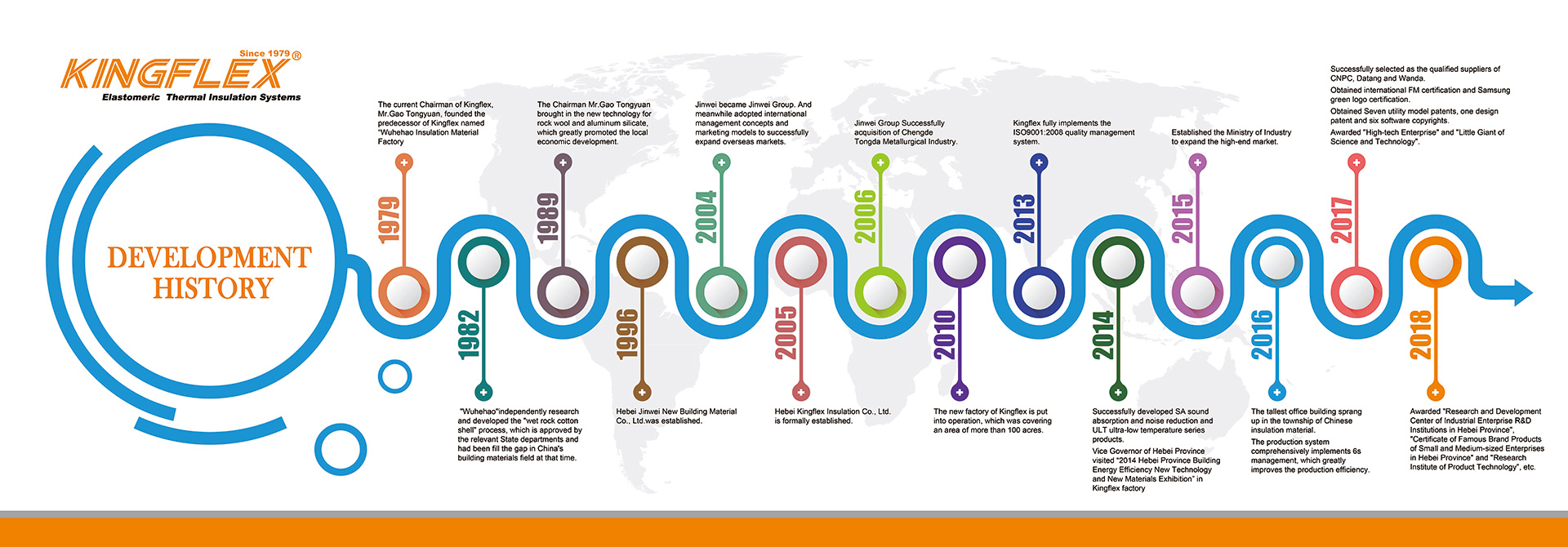
Kingflex Manufacturing Legacy since 1979
3. Heritage & Manufacturing Capability

Kingflex Insulation Co., Ltd. is a dedicated manufacturer and trade combo specializing in thermal and cold insulation systems. Established as a member of the Jinwei Group, which has a manufacturing history dating back to 1979, we are pioneers of energy-saving technology north of the Yangtze River. Operating with the philosophy of "energy saving and consumption reduction as the core concept," we serve the global construction, chemical, and aerospace industries.
Our state-of-the-art production base in Dacheng, China, features 5 large automatic assembly lines capable of yielding over 600,000 cubic meters of high-quality elastomeric insulation annually. This massive scale makes Kingflex a designated manufacturing partner for the Ministry of Energy, the Ministry of Electric Power, and the Ministry of Chemical Industry.
40+
Years of Industry History
66+
Global Export Countries
600K+
Annual Capacity (m³)
230+
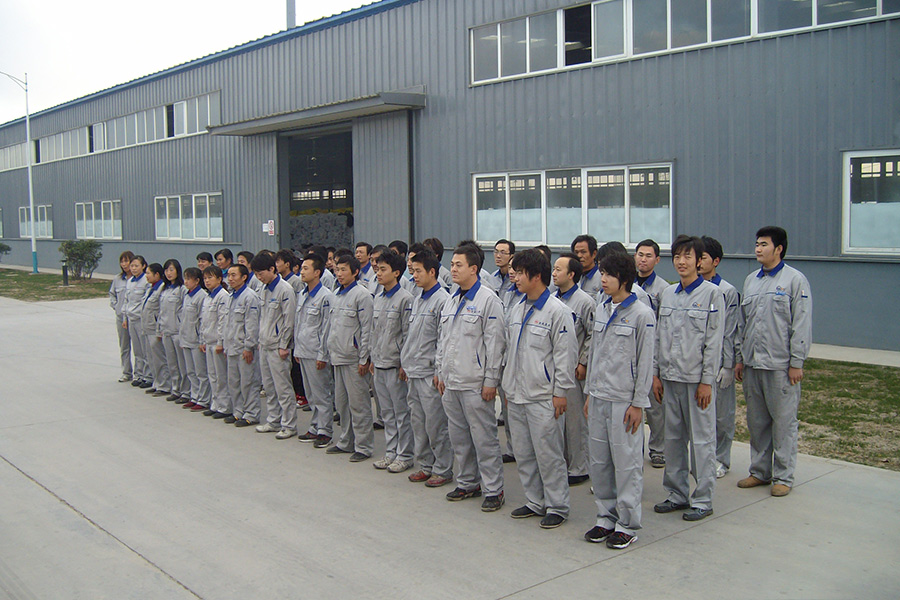
Dedicated Production Workers

4. Technical Specifications & Material Performance

Our NBR/PVC closed-cell elastomeric foam is formulated for extreme durability, chemical stability, and wide operating temperature parameters.

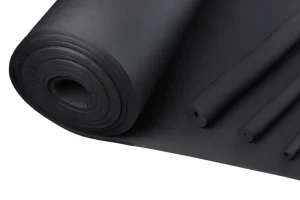
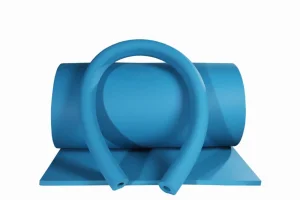
Parameter Elastomeric Foam Sheets & Rolls Elastomeric Foam Pipes / Tubes
Material Formulation Nitrile Butadiene Rubber (NBR) / Polyvinyl Chloride (PVC) Blend Nitrile Butadiene Rubber (NBR) / Polyvinyl Chloride (PVC) Blend
Standard Thickness 6mm to 50mm 9mm to 40mm
Internal Diameter (ID) N/A (Roll / Sheet Form) 6mm to 114mm
Density Range 40 - 55 kg/m³ 40 - 55 kg/m³
Service Temperature Range -40℃ to 105℃ (Cryogenic options down to -200℃) -40℃ to 105℃ (Cryogenic options down to -200℃)
Thermal Conductivity (λ) ≤ 0.034 W/(m·K) at 0℃ ≤ 0.034 W/(m·K) at 0℃
Closed-Cell Rate > 98% uniformly foamed micro-cells > 98% uniformly foamed micro-cells
Compression Resilience Over 80% recovery rate Over 80% recovery rate

Advantage Analysis: Closed-Cell Elastomeric vs. Rock/Glass Wool

While rock wool and glass wool have historically been used for insulation, they are highly susceptible to moisture ingress. When moisture enters an open-cell system, its thermal conductivity rises exponentially since water conducts heat roughly 25 times faster than dry air. The closed-cell structure of Kingflex rubber foam prevents moisture from entering, maintaining its thermal conductivity over an operational lifespan of 10 to 15 years.
Furthermore, fiber-free rubber foam eliminates the risk of airborne micro-fiber shedding, a critical requirement in sterile environments like hospitals, microelectronics factories, and cleanrooms.

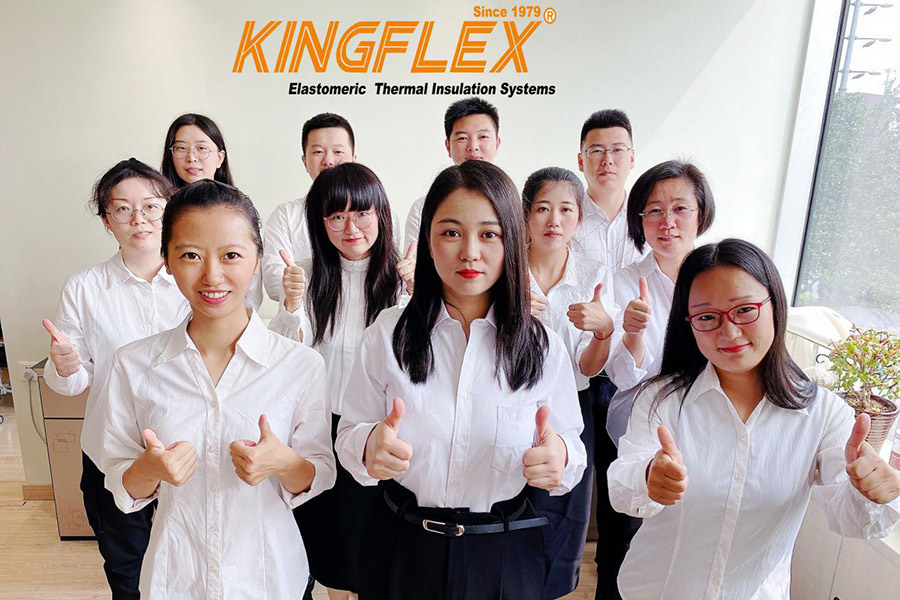
Kingflex R&D Team and Engineers in Laboratory
5. Localized Application & Industrial Solutions

Engineered to perform in demanding commercial, industrial, and maritime ventilation environments.

🏢

Commercial HVAC & Air Distribution

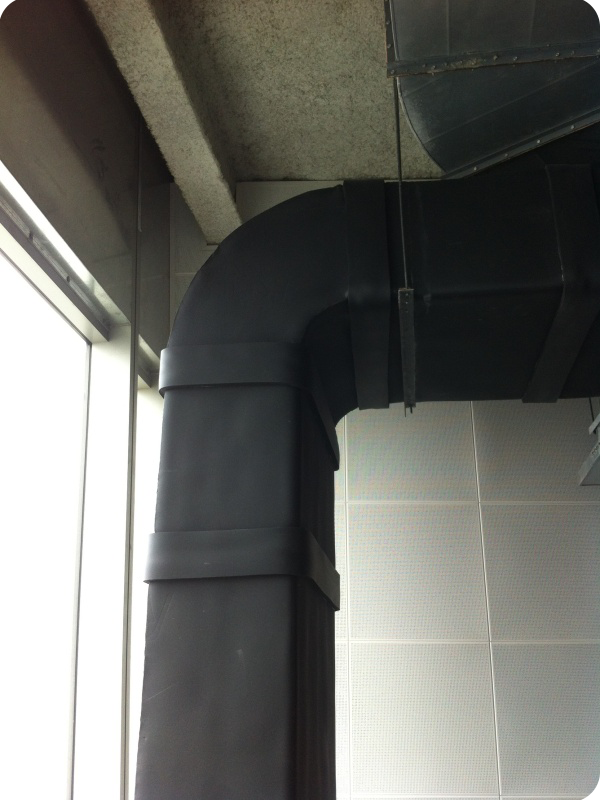
Used to wrap rectangular and circular sheet metal ductwork in office complexes, retail centers, and hospitals. Prevents condensation and dripping above ceiling spaces while absorbing low-frequency mechanical noise.

🏭

Industrial Process Piping & Tanks

Designed for chemical processing plants, hot water systems, and steam systems. Provides thermal insulation and corrosion protection for high-temperature pipelines operating up to 105°C.

❄️

Cryogenic & Cold Storage Systems

Our specialized cryogenic rubber foam prevents thermal shock and condensation in cold-chain storage facilities, liquefied gas pipeline infrastructure, and low-temperature process cooling networks.

The Critical Need for Anti-Condensation in Ventilation

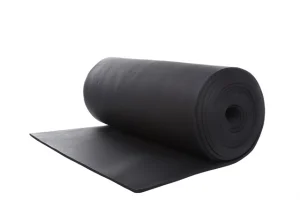
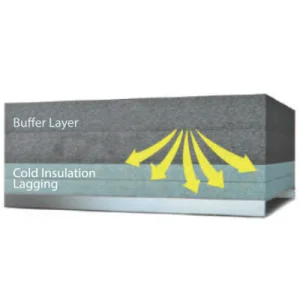
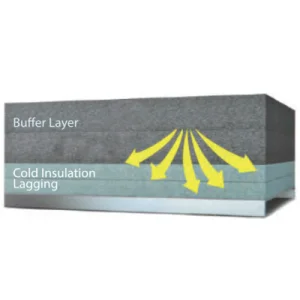
When warm, humid ambient air contacts an uninsulated duct transporting cooled air, moisture will condense. If left unchecked, this moisture damages ceilings, ruins electrical equipment, and promotes toxic mold growth inside walls. Kingflex rubber foam sheets and rolls provide a continuous, high-resistance path against moisture ingress. The foam's integrated structure ensures the surface temperature remains above the ambient dew point, keeping ventilation systems dry and functional.

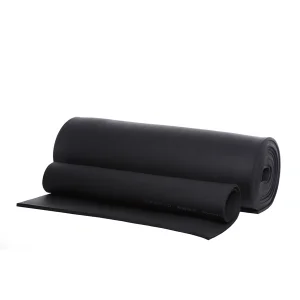
Kingflex Quality Inspection on Elastomeric Rolls
6. R&D Capabilities & Quality Standards

Backed by testing and international certifications ensuring safety, compliance, and environmental responsibility.

At Kingflex, quality control is integrated into every stage of the manufacturing process. Our R&D department features 8 professional engineers, working alongside our QA specialists to test every batch of NBR/PVC raw materials. We utilize advanced extrusion and foaming equipment to maintain cell consistency, density, and thickness tolerance.

Our solutions comply with global quality standards, ensuring smooth customs processing and certification compliance on international construction sites. Our certifications include:

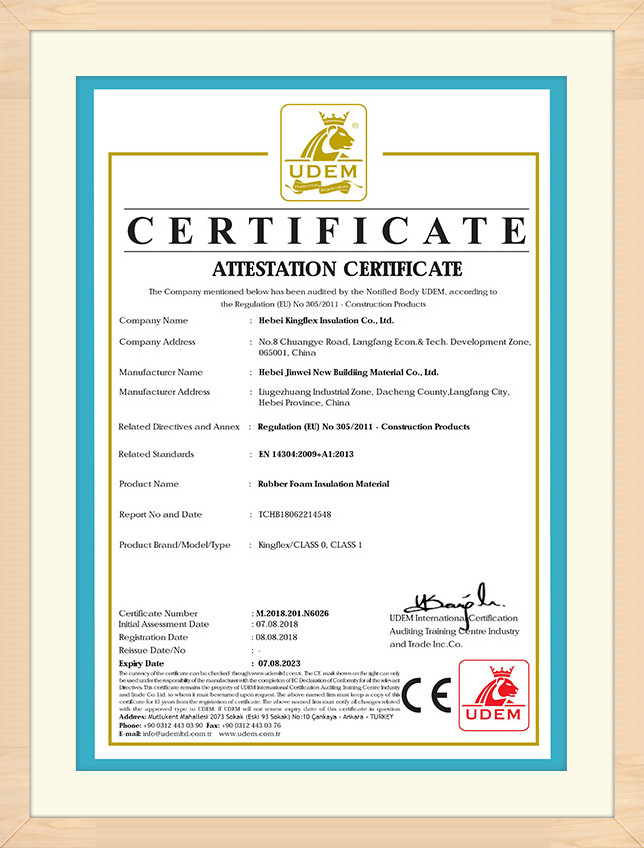
  • BS 476 Part 6 & 7: Class 0 and Class 1 Fire propagation standards.
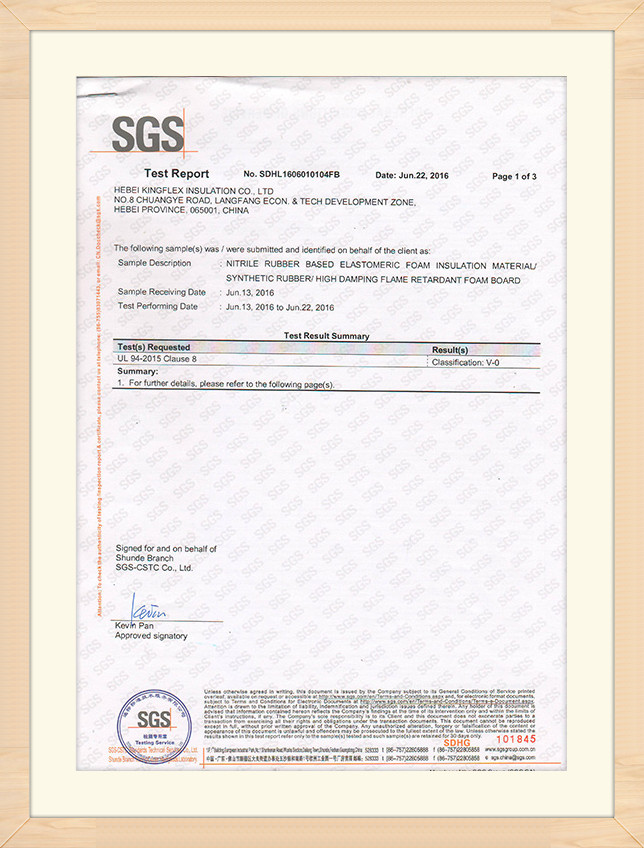
  • UL94 Certification: Evaluates plastic flammability for electronics and HVAC housings.
  • RoHS & REACH Compliance: Free from heavy metals, halogenated fire retardants, and ozone-depleting substances.
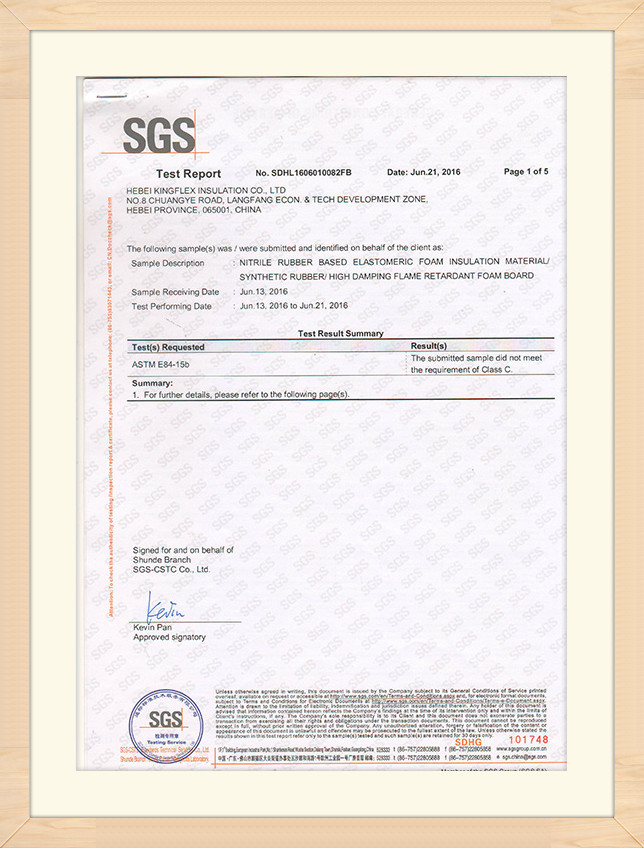
  • CE & ASTM Testing: Thermal performance validation under standardized engineering conditions.
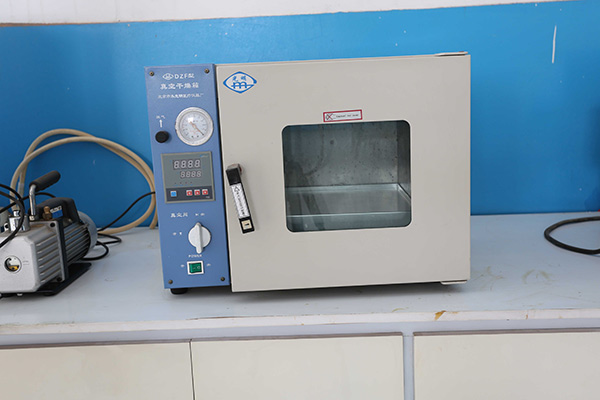
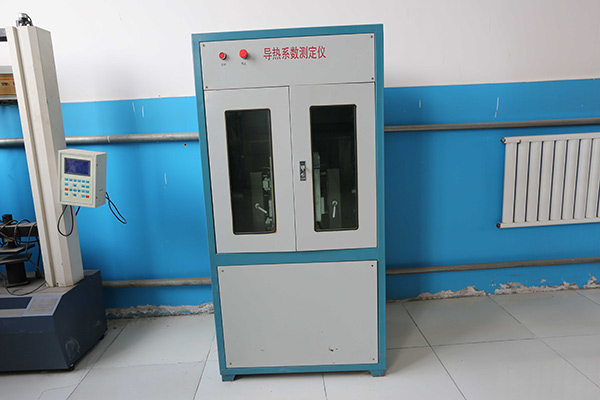
R&D Equipment Laboratory testing Quality control testing
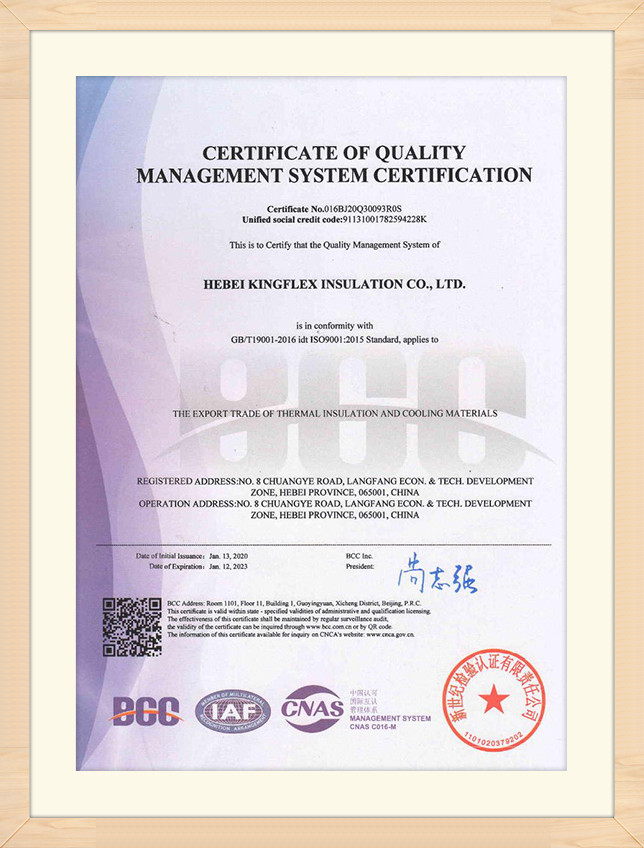
ISO Quality Certificate
Fire Resistance Test Certification
Product Compliance Certificate
Environmental Standard Certification

7. Global HVAC & Engineering Projects

Our insulation systems have been deployed across 66 countries in key commercial and industrial sectors.

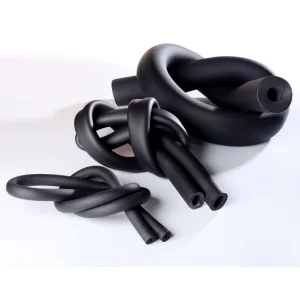
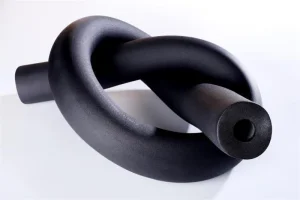
Our thermal and cold insulation systems are regularly specified for civil construction, petrochemical plants, district cooling pipelines, and marine vessels. The flexibility of our NBR/PVC elastomer allows for quick installation on-site. It cuts cleanly and wraps around bends, valves, and branches without cracking, reducing labor costs and installation times.

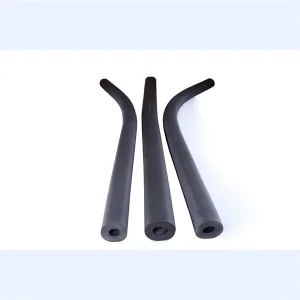
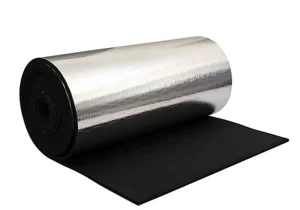
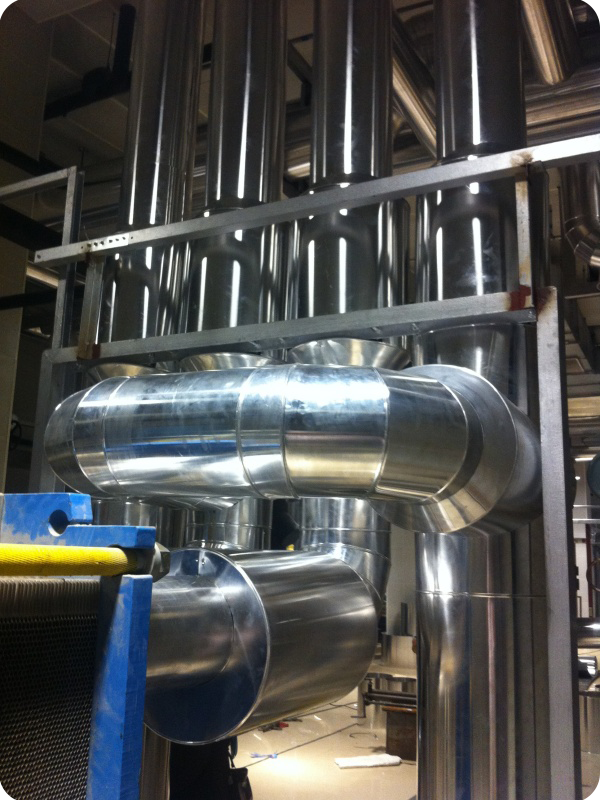
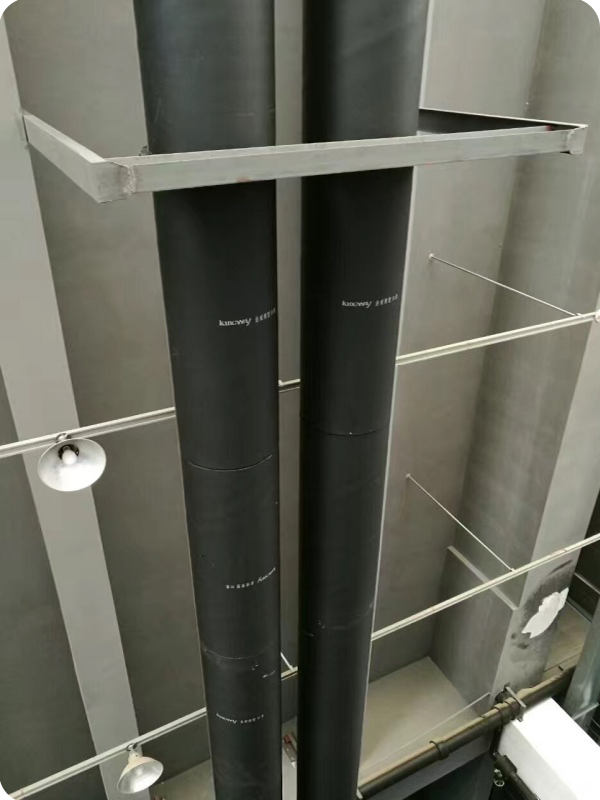
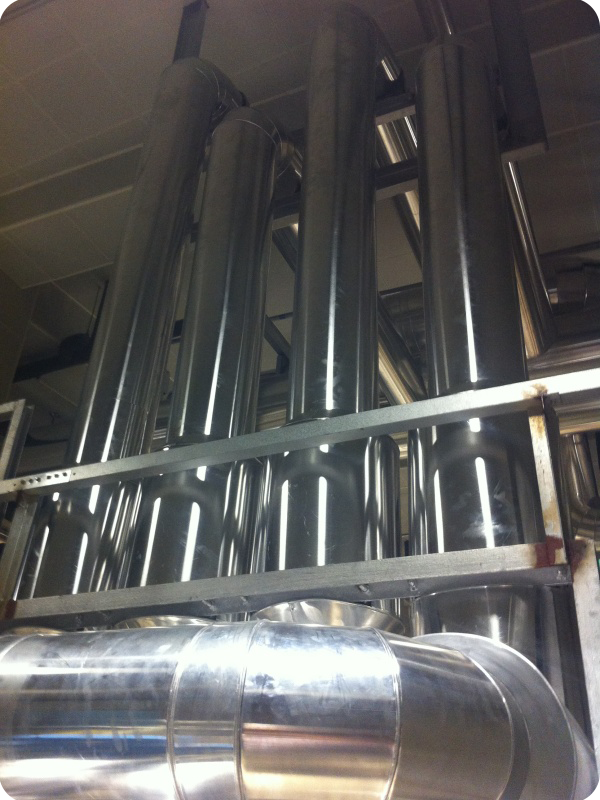
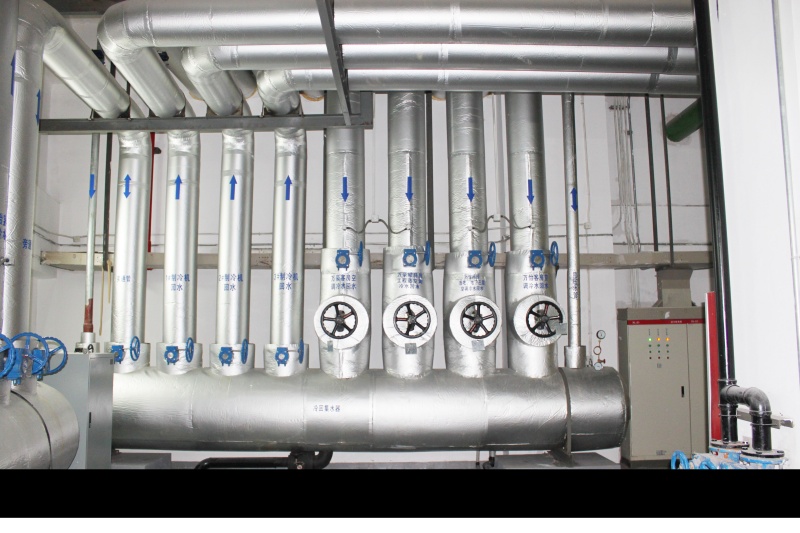
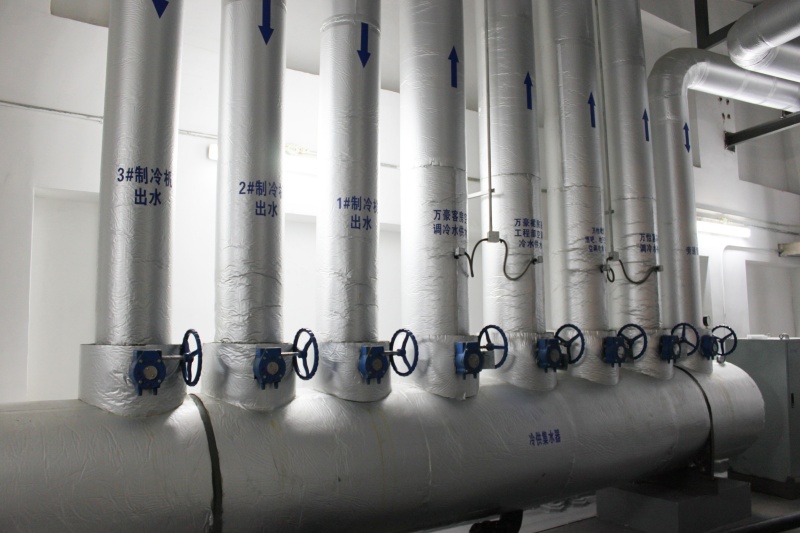
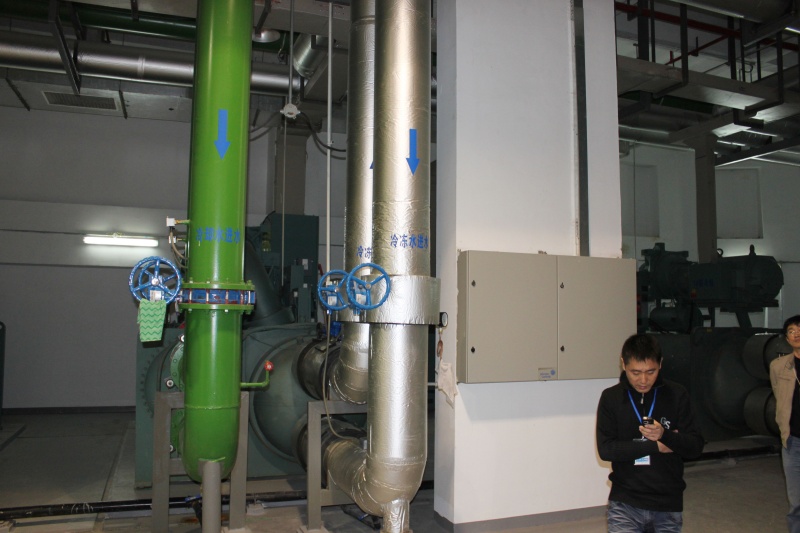
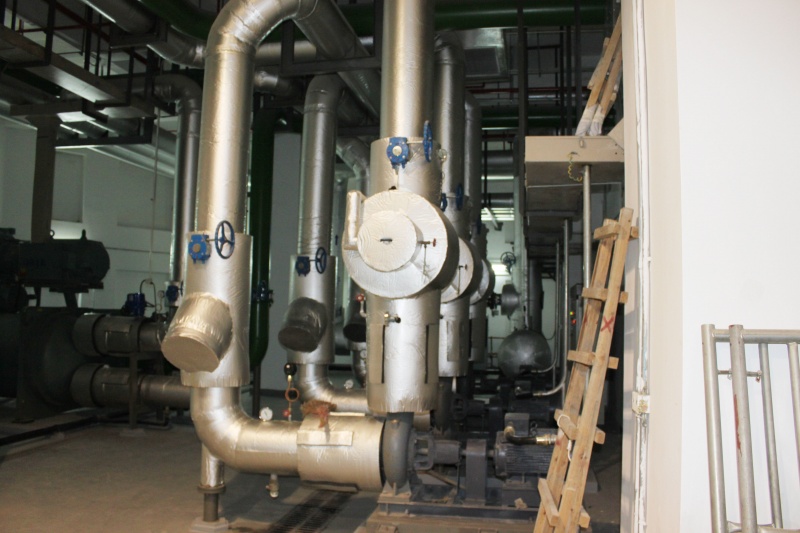
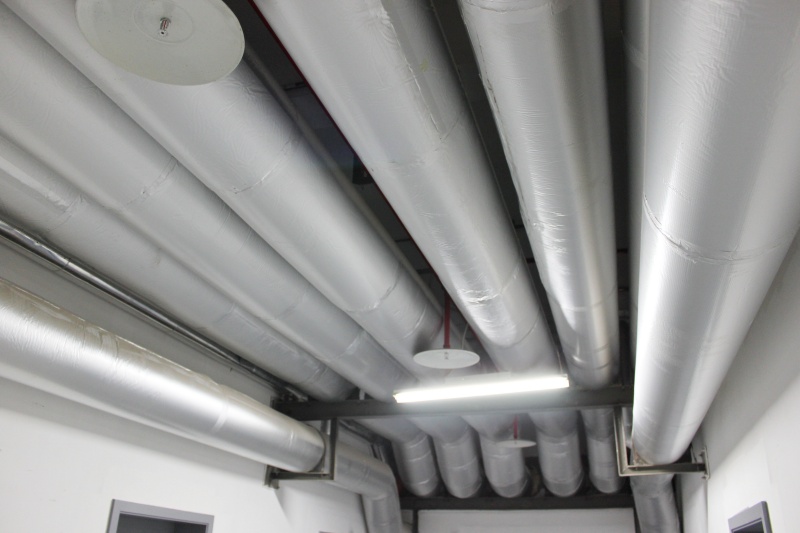
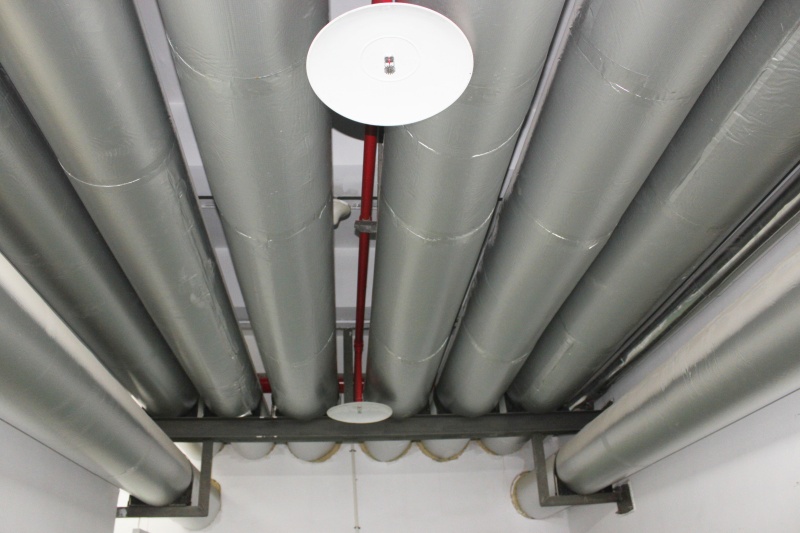
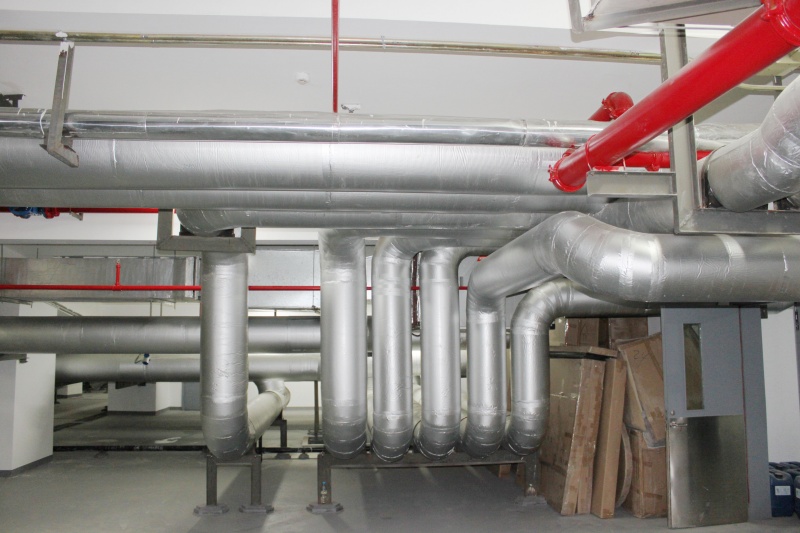
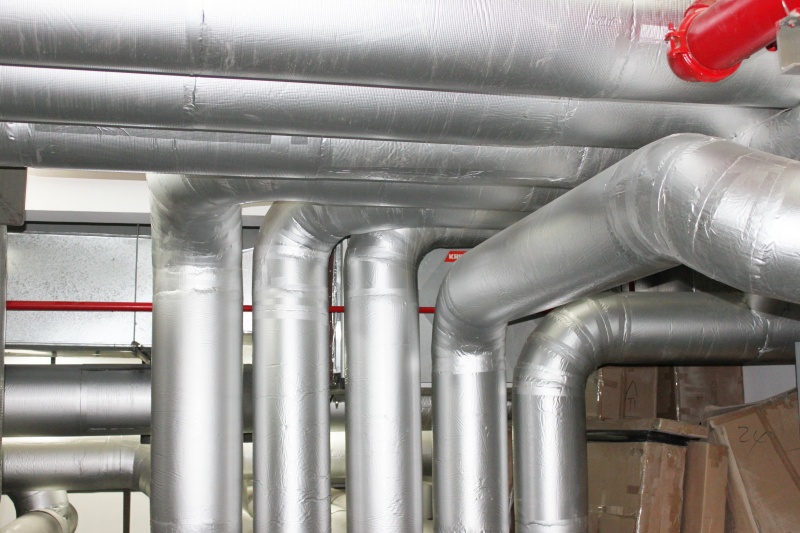
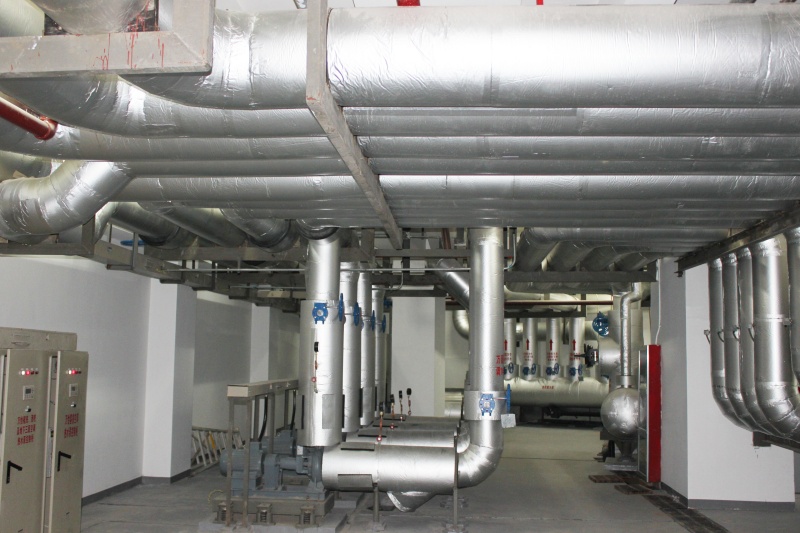
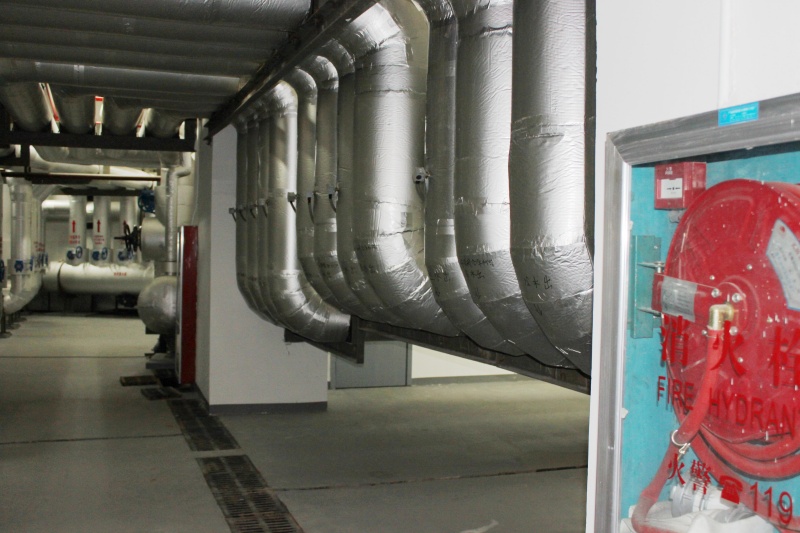
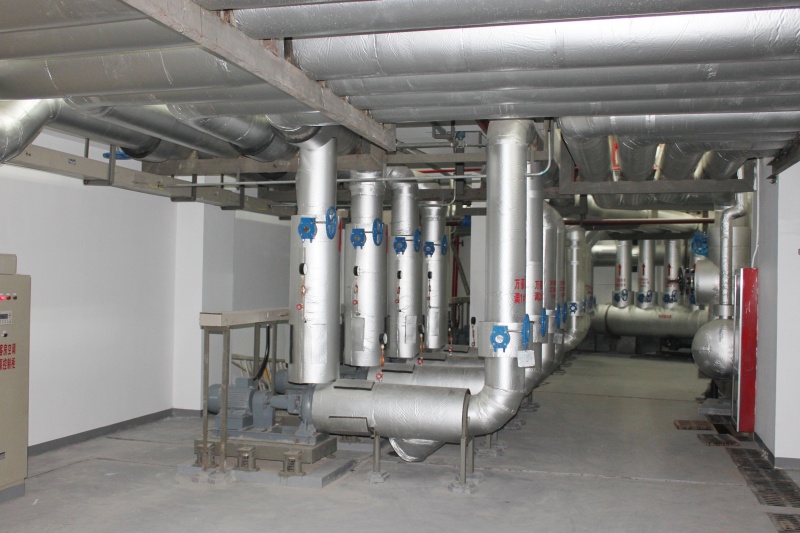
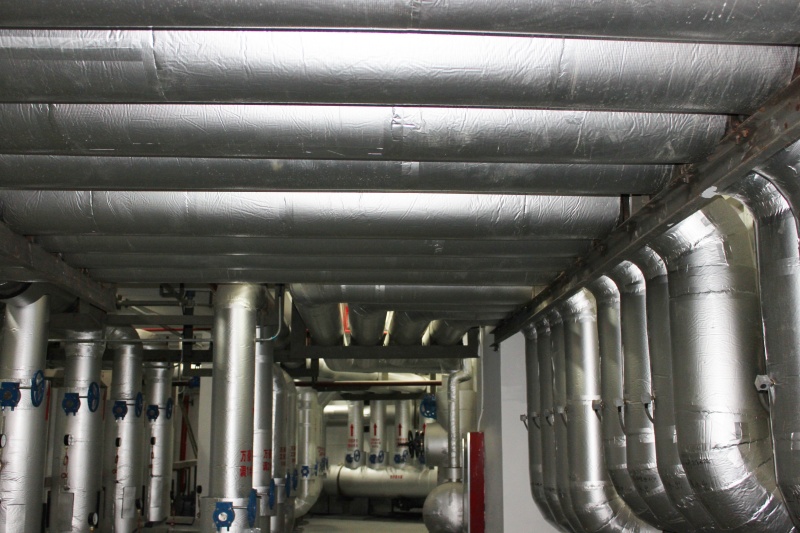
Below is a selection of real-world installation projects showcasing Kingflex elastomeric insulation sheets and pre-formed tubes applied to HVAC ventilation lines, chilled water mains, and industrial headers.

Insulation sheet applied to ventilation ducting Ductwork insulation process Chilled water piping system Foil-faced insulation duct

8. Customer Verification & Communication

Providing clear technical consultation and responsive manufacturing updates to our global partners.

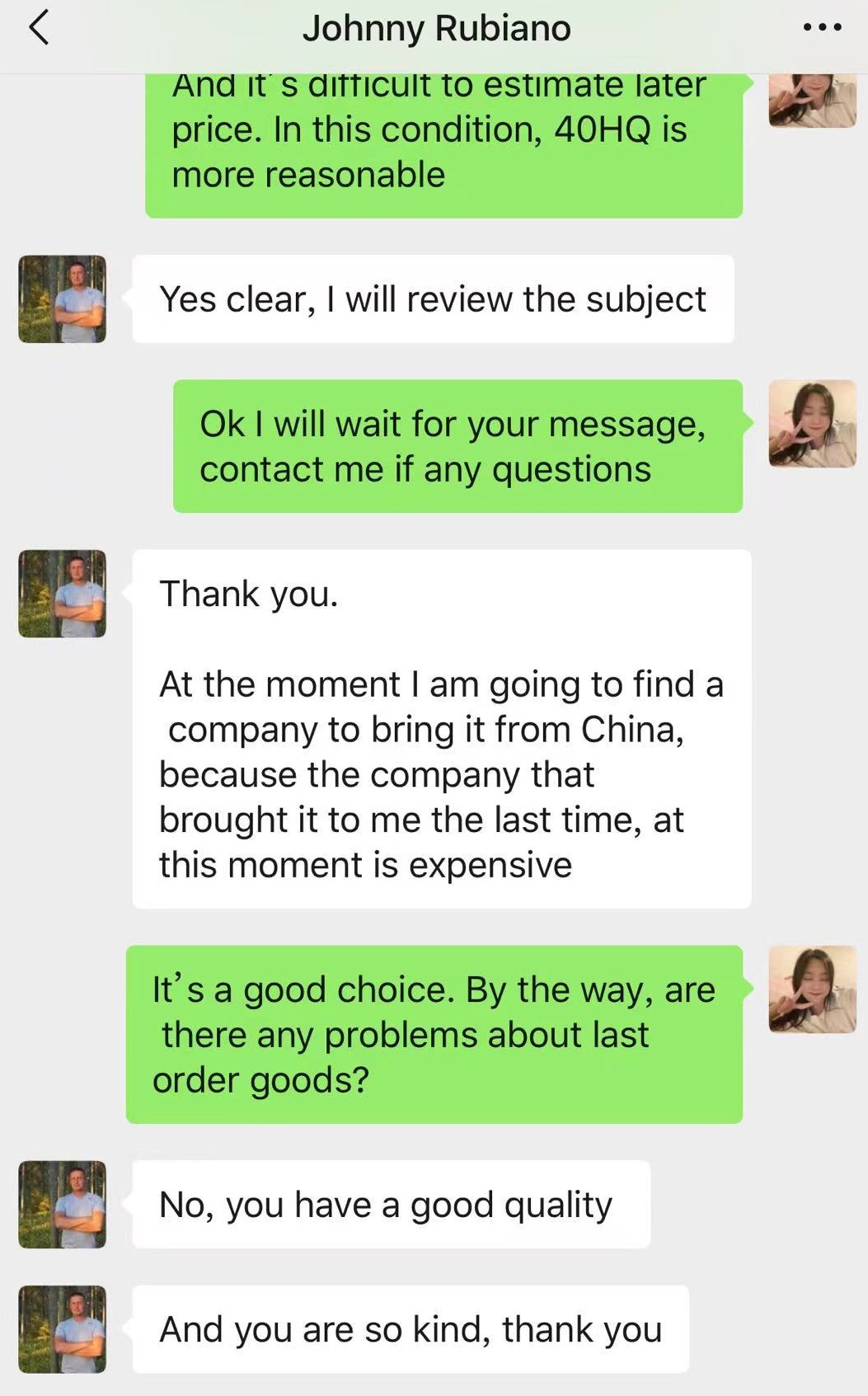
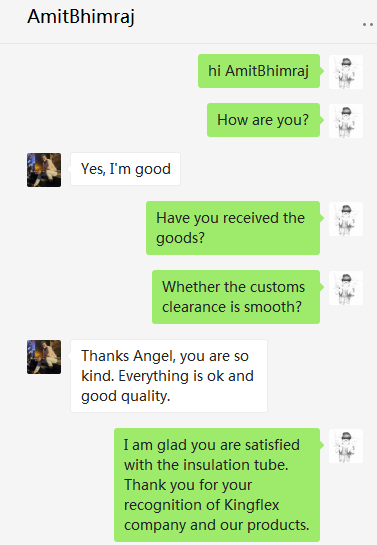
We work closely with HVAC design engineers, insulation contractors, and material distributors to ensure our products match specific project requirements. Below are communications showing our collaborative approach to quality control, delivery logistics, and product customization.

Customer Communication Screenshot 1
Customer Communication Screenshot 2
Customer Communication Screenshot 3
Customer Communication Screenshot 4
Customer Communication Screenshot 5
Client Logo 1 Client Logo 2 Client Logo 3 Client Logo 4 Client Logo 5 Client Logo 6 Client Logo 7 Client Logo 8 Client Logo 1 Client Logo 2 Client Logo 3 Client Logo 4

9. Technical FAQ (Frequently Asked Questions)

Answers to common engineering questions regarding the performance and selection of elastomeric insulation.

What is elastomeric rubber foam insulation used for?
It is primarily used for insulating HVAC ducts, air conditioning pipes, building thermal systems, and industrial pipelines to manage temperature, prevent condensation, and reduce acoustic vibration.
Is Kingflex rubber foam insulation fire resistant?
Yes, our rubber foam insulation is formulated with flame retardants to meet BS 476, UL94, and other international building safety codes. It is self-extinguishing and will not drip when exposed to flame.
What is the difference between rubber foam and rock wool insulation?
Rubber foam has a flexible, closed-cell structure that prevents moisture absorption, making it suitable for HVAC and refrigeration systems. Rock wool is an open-cell fibrous material that provides high temperature resistance and structural fire protection, making it ideal for industrial high-temperature processes.
Do you provide customized insulation products?
Yes, we offer OEM and ODM services. We can adjust the thickness, inner diameter, density, and backing material (such as self-adhesive or aluminum foil cladding) to meet specific project needs.
What certifications do your products have?
Our materials are certified under BS 476, CE, REACH, RoHS, UL94, and ASTM standards, confirming compliance with international fire, environmental, and thermal efficiency requirements.
Are Kingflex products traceable?
Yes. Every batch of our insulation materials undergoes tracking from the raw material mixing phase through extrusion, curing, and packaging to maintain quality control.
What thickness of rubber foam insulation sheet roll can you produce?
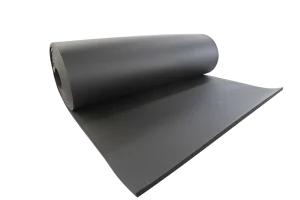
We manufacture sheets and rolls in thicknesses ranging from 6mm to 50mm, accommodating various thermal resistance (R-value) requirements.
What is the expected service life of NBR/PVC rubber foam?
Under typical operating conditions, our elastomeric products retain their thermal performance and flexibility for 10 to 15 years.